Choosing a PCB assembly manufacturer in China is not just a price comparison. A low quotation can look attractive, but it means little without clear process controls, stable material sourcing, and dependable communication. For buyers, the useful questions are practical: Can the supplier handle the required board complexity? Does it document inspection results? Can it explain how defects are tracked and corrected?
IPC president and CEO John Mitchell has emphasized the importance of industry standards and a skilled electronics workforce. That principle matters on the factory floor. A well-controlled line should connect component verification, solder-paste inspection, reflow profiles, and final testing—not treat them as separate promises. Ask to see evidence, such as sample inspection records or a clear description of the production flow.
Details matter. A 0402 component, a fine-pitch connector, or a mixed-technology board can expose gaps that a simple prototype may hide. So can a rushed engineering change. A capable partner should discuss these risks plainly, before production starts.
This guide compares leading Chinese manufacturers through capabilities, quality systems, engineering support, and communication. It also considers company scale and the kinds of projects each supplier may suit. No ranking can replace a factory audit or a careful review of your own requirements. Some supplier information changes quickly, and public claims do not always show the full picture. That is worth admitting.
The goal is not to find a perfect factory. It is to identify a reliable pcb assembly partner whose strengths match your product, volume, and tolerance for risk.

PCB assembly manufacturers in China turn a circuit design into a populated, tested board. Their work often starts with a design-for-manufacturing review. Engineers check component spacing, solder-pad dimensions, and whether parts are available. This step can reveal issues before a production run begins. It is not foolproof.
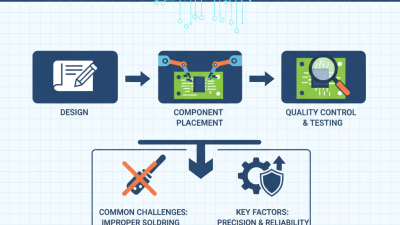
Factories then source components, prepare bare boards, and place parts using surface-mount equipment. Some assemblies also need through-hole soldering, handwork, or cable installation. Production teams manage setup files and process settings for each build. Small details matter. A slightly misaligned connector can complicate installation later.
Quality checks may include solder-paste inspection, automated optical inspection, X-ray checks for hidden joints, and electrical testing. The exact mix depends on board complexity and customer requirements. Ask how defects are recorded, how component substitutions are approved, and whether test reports accompany each batch. These questions make supplier comparisons more practical than price alone.
Tips: Send complete fabrication and assembly files, a bill of materials, and clear test requirements. Request a small pilot run when the design is new. Review sample boards under good light, and confirm that labels, connectors, and mounting holes match your enclosure.

China’s leading PCB assembly companies are best judged by process control, not factory size alone. Review how each supplier handles design files, component sourcing, solder-paste printing, placement, and inspection. Ask for sample inspection records, defect reports, and traceability from a finished board back to its production lot. A well-run line can explain how it checks fine-pitch components and responds when a solder joint fails. Details matter. One limitation: a polished audit report cannot guarantee that every future production run will match the sample.
Engineering support is another useful measure. Check whether the team flags unclear drawings, unrealistic tolerances, or parts that may be difficult to source before quoting. Compare pilot-run results with stated production timelines, and ask how schedule changes are communicated. Reliable suppliers explain cost differences between assembly options instead of offering only a low headline price. Their answers should be specific, but not overconfident. Real production has occasional surprises.
Tips: Request a small pilot run and inspect boards under magnification. Ask for yield data, rework procedures, and a clear list of what the quote excludes. Confirm that the supplier can share updates at agreed milestones, especially when components or design files change.
| Evaluation Dimension | Weight | What to Assess | Useful Evidence to Request | Why It Matters |
|---|---|---|---|---|
| Quality management | 20% | Documented quality controls, corrective-action processes, traceability, and quality performance over time. | Current quality-system certificates, audit summaries, defect and rework trends, corrective-action records, and sample lot-traceability documents. | A certified system provides evidence of structured processes, but its scope and current validity should be checked rather than assumed. |
| Manufacturing process capability | 20% | Ability to assemble the required board types, component packages, production volumes, and process tolerances. | Process capability matrix; equipment and process lists; sample inspection results; and confirmation of supported package types, board sizes, and assembly methods. | The right capability depends on the design. Fine-pitch, high-density, mixed-technology, or high-volume work may require different equipment and controls. |
| Engineering and design support | 15% | Design-for-manufacturing and design-for-test reviews, BOM checks, stencil and process recommendations, and engineering-change handling. | A sample review report covering manufacturability, component availability, polarity, footprint, test access, and proposed changes. | Early engineering feedback can identify assembly risks before production and reduce avoidable delays or rework. |
| Inspection and testing | 12% | Inspection and test methods appropriate to the product, such as solder-paste inspection, automated optical inspection, X-ray inspection, and electrical testing. | Process flow showing inspection stages, equipment capabilities, test coverage, acceptance criteria, and sample test records. | Inspection methods should match the assembly risks; no single inspection method detects every defect type. |
| Supply-chain and component control | 12% | Component sourcing controls, authenticity and traceability practices, inventory handling, and communication of shortages or substitutions. | Approved sourcing procedures, lot and date-code traceability examples, storage controls, and written rules for customer approval of substitutions. | Component availability and provenance can affect product reliability, schedule, and compliance obligations. |
| Delivery and production planning | 10% | Quoted lead times, capacity planning, schedule communication, order-change control, and performance against agreed delivery dates. | Documented production milestones, capacity review process, and historical on-time delivery data with the measurement period and definition stated. | Lead times vary with component availability, order size, board complexity, and testing requirements; compare like-for-like orders. |
| Regulatory and environmental compliance | 6% | Ability to meet applicable customer and market requirements, including material declarations and restricted-substance requirements where relevant. | Relevant, current certificates or declarations; material documentation; and a process for maintaining compliance records. | Requirements depend on the destination market and product. Verify the scope and applicability of each document. |
| Communication and project management | 5% | Clarity and timeliness of technical responses, escalation routes, document control, and support during sampling and production. | Named project roles, response and escalation procedures, change-notification examples, and a sample project schedule. | Reliable communication helps resolve technical questions and manage changes throughout the build. |
| Total evaluation weight | 100% | Use the same criteria and evidence requirements for every candidate. Score each dimension against the product’s requirements rather than relying on a general ranking. | ||
Evaluation note: This is a practical comparison framework, not a ranked list of manufacturers. Confirm certificate scope and validity, request product-relevant evidence, and assess performance against the specific board, volume, testing, and compliance requirements.
China’s PCB assembly sector includes manufacturers with very different strengths. Large-volume plants often serve consumer electronics, where automated surface-mount lines and stable component sourcing help control unit costs. Their production floors may run several shifts, with inspection stations checking solder joints and placement accuracy. Scale matters, but it does not guarantee close engineering support.
Mid-sized manufacturers often handle prototypes, small batches, and frequent design changes. A capable team can review assembly drawings, flag unclear polarity marks, and suggest panelization changes before production. Quick-turn service is useful. Yet its limits deserve attention: a short lead time may depend on component availability, and urgent orders can leave less room for design review. Ask how the factory handles shortages and whether it can provide traceable inspection records.
Specialist manufacturers focus on demanding boards, such as high-density designs, mixed-technology assemblies, or products requiring controlled testing. Their value lies in process discipline: documented solder profiles, optical inspection, and functional tests matched to the product. Buyers should compare evidence, not just equipment lists. Request sample quality reports and clarify which operations happen in-house. No profile fits every project; even a strong factory may be a poor match for a particular board.
China’s PCB assembly manufacturers serve customers with very different production needs. Their capabilities may include surface-mount and through-hole assembly, fine-pitch placement, prototype builds, and larger production runs. A line might place tiny components under magnification, then send boards through reflow ovens set to controlled temperature profiles. Details matter. Reliable suppliers also document inspections, component sourcing, and process changes.
These capabilities support industries such as telecommunications, industrial controls, medical equipment, automotive electronics, and consumer devices. Each sector brings different demands. Industrial boards may need durable components and stable operation in warm enclosures. Medical and automotive projects often require tighter traceability and defined quality checks. Testing can include automated optical inspection, X-ray inspection for hidden solder joints, and functional tests using customer-specific fixtures. Not every factory offers the same depth of testing.
A capability list is only a starting point. I would ask for examples of similar board complexity, typical lead times, and how defects are recorded and corrected. It is not automatic. A supplier experienced with simple consumer boards may need extra evaluation before handling dense, safety-critical assemblies. Even a strong factory can struggle when design files are incomplete or parts arrive late. Share clear requirements, review sample results, and confirm that production controls match the application.
Choosing a PCB assembly partner in China starts with the board, not the sales pitch. Share Gerber files, the bill of materials, drawings, expected volumes, and test requirements. Then request a documented design-for-manufacturing review. A useful review identifies footprint risks, component substitution procedures, panelization options, and likely yield issues. Ask how components are sourced and lot numbers recorded. Request details about inspection methods, such as automated optical inspection, X-ray inspection for hidden joints, and electrical testing. Details matter. A polished factory tour is helpful, but it cannot replace records from a real production run.
Compare quotes line by line. Tooling, setup, test fixtures, programming, packaging, and freight can change the total. Confirm who approves substitutions and how engineering changes are controlled. Check capacity against your schedule, but ask for recent production examples rather than a maximum monthly figure. Start with a small pilot batch. Review defects, delivery accuracy, and response times before scaling. A short call with engineering can show whether questions receive clear answers. I would not treat a low quote as proof of poor quality, either. It is a reason to ask what is included. Keep communication practical: a shared revision list, named contacts, and written acceptance criteria can reduce avoidable surprises.