30+ Years of Experience in PCB Design and Manufacturing


Choosing China’s best circuit boards supplier for global buyers requires more than comparing prices. The right partner combines engineering control, stable production, transparent communication, and dependable after-sales support. From prototype quantities to high-volume orders, supplier capability can shape product quality, launch timing, and long-term costs. This guide examines the practical signals behind a trustworthy decision. Not every impressive website tells the full story.
Experienced buyers usually begin with the board itself. Layer count, material grade, copper thickness, impedance targets, surface finish, and tolerance requirements deserve careful review. A professional manufacturer should explain DFM changes before production, not after defects appear. Factory visits, sample inspections, and production records can reveal details that brochures often omit. Look closely. Check solder mask edges, drilled holes, plating consistency, and packaging protection. Certifications such as ISO 9001 or relevant IPC practices support confidence, but certificates alone prove little. Current audit evidence matters more.
Reliable suppliers provide traceability from incoming materials to final electrical testing. They communicate realistic lead times and report problems without hiding behind vague promises. For international buyers, export experience, documentation accuracy, and responsive technical support also reduce avoidable risk. Still, every supplier has limitations. Capacity can change, engineering replies may slow during peak seasons, and one successful sample cannot guarantee every batch. A sensible evaluation should compare verified performance, not marketing language. The following discussion helps buyers judge Chinese circuit boards suppliers with clearer expectations, practical evidence, and room for honest reflection.
China Best Circuit Boards Supplier for Global Buyers?
What Makes China a Leading Source of Circuit Boards?
China has become a leading circuit board source because it combines scale, engineering talent, and flexible production. Many factories support prototypes, small batches, and high-volume orders under one production system. This reduces delays when a design changes. It also helps buyers control costs without ignoring technical requirements.
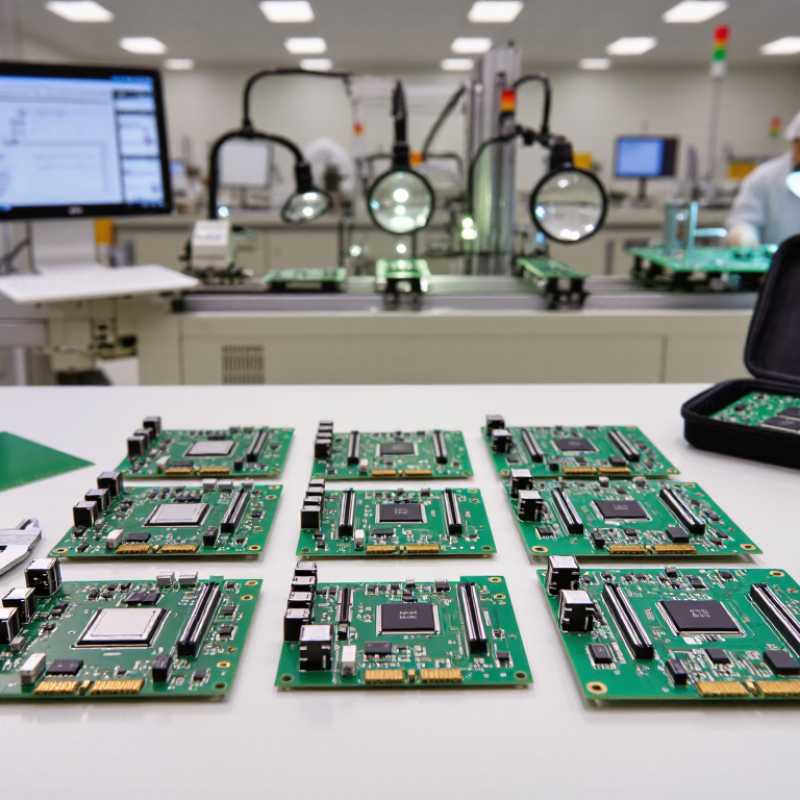
In practical sourcing work, buyers often value direct communication with engineers. Clear feedback can identify weak traces, heat concerns, or unsuitable materials before production. Modern facilities may use automated optical inspection, X-ray testing, impedance control, and traceable material records. These details matter more than a low quotation. A supplier should provide samples, process documents, and realistic delivery estimates. No factory is perfect. Even a capable supplier may have gaps in documentation or final inspection.
Tips: Ask for a sample before placing a large order. Review layer structure, copper thickness, tolerances, and test coverage. Request evidence of quality procedures and production capacity. A remote audit or independent inspection can reveal problems that photos hide. Keep specifications written and updated. Small wording differences can cause expensive mistakes. China offers strong manufacturing advantages, but the best results depend on careful supplier evaluation, technical communication, and ongoing quality checks.
| Evaluation Dimension | Typical Data or Capability | Why It Matters to Global Buyers | Verification Points |
|---|---|---|---|
| Product Coverage | Single-sided Double-sided Multilayer HDI Rigid-flex Metal-core | A broad product range allows buyers to consolidate prototype, low-volume, and mass-production requirements within one sourcing region. | Review the supplier's approved material list, layer capability, minimum trace and spacing, and sample production records. |
| Layer Capability | Standard production commonly covers 1–12 layers, while qualified facilities may support higher layer counts for specialized applications. | Different layer counts support applications ranging from simple control boards to high-density computing, networking, and industrial electronics. | Confirm the maximum tested layer count, finished-board thickness range, stack-up design, and impedance-control process. |
| Technology Availability | Available technologies may include microvias, blind and buried vias, via-in-pad, controlled impedance, fine-pitch SMT support, and heavy-copper construction. | Access to multiple technologies helps reduce redesigns when a product moves from engineering validation to volume production. | Request cross-section reports, microsection samples, drill capability, copper-thickness data, and design-for-manufacturing feedback. |
| Material Selection | Common materials include standard FR-4, lead-free-compatible laminates, high-Tg materials, halogen-free materials, aluminum-base boards, and high-frequency laminates. | Material selection affects thermal performance, signal integrity, reliability, operating temperature, and compliance with application requirements. | Check laminate certification, Tg, Td, CTE, dielectric constant, moisture rating, and material traceability. |
| Quality Standards | Common quality frameworks include ISO 9001, IPC-6012, IPC-A-600, IPC-A-610, and customer-specific inspection specifications. | Recognized standards create a common technical language for acceptance criteria, inspection, workmanship, and process control. | Verify certificate scope, validity dates, audit history, inspection plans, and whether the certificate applies to the actual production site. |
| Electrical Testing | Typical controls include flying-probe testing, fixture-based testing, automated optical inspection, solder-mask inspection, and impedance testing where required. | Electrical and visual testing helps identify open circuits, short circuits, registration defects, solder-mask issues, and dimensional deviations before shipment. | Confirm test coverage, net-list requirements, test-point rules, sample records, and whether test reports accompany each lot. |
| Regulatory Compliance | Export-oriented production commonly supports RoHS and REACH-related requirements, with documentation available for materials and restricted substances. | Compliance documentation helps buyers meet market-entry, environmental, and customer-specific procurement requirements. | Request declarations of conformity, material declarations, laboratory reports, and documentation for the destination market. |
| Prototype Lead Time | Simple prototypes may be produced in several working days; complex multilayer, HDI, rigid-flex, or specialty-material boards generally require longer schedules. | Fast prototype cycles can shorten design verification and allow engineering teams to identify manufacturability issues earlier. | Compare quoted lead time with the actual stack-up, surface finish, testing method, quantity, and engineering-review requirements. |
| Mass-Production Scalability | Large manufacturing clusters provide access to standardized processes, component supply, tooling services, surface finishing, assembly, and logistics support. | Scalable capacity can help maintain supply continuity when order volume increases or multiple product variants are introduced. | Assess monthly capacity, utilization levels, backup equipment, preventive-maintenance records, and capacity reservation policies. |
| Surface Finishes | Common options include HASL, lead-free HASL, ENIG, immersion tin, immersion silver, and OSP, subject to board design and application needs. | Surface finish affects solderability, shelf life, contact performance, flatness, cost, and suitability for fine-pitch components. | Confirm finish thickness, flatness requirements, storage conditions, allowable shelf life, and inspection standards. |
| Cost Structure | Pricing is influenced by board size, layer count, copper weight, material, surface finish, order quantity, testing, tooling, and delivery terms. | Competitive pricing is more meaningful when the quotation clearly separates recurring production costs from one-time engineering and tooling charges. | Request an itemized quotation and compare equivalent specifications rather than comparing unit prices alone. |
| Supply-Chain Integration | Regional manufacturing ecosystems can combine laminate supply, PCB fabrication, assembly, component sourcing, testing, packaging, and freight services. | Integrated supply chains may reduce handoffs, communication delays, and transportation time between production stages. | Identify which processes are performed in-house, which are subcontracted, and how supplier qualification and traceability are managed. |
| Logistics Access | International shipment options generally include air freight, express delivery, sea freight, and multimodal transportation. | Multiple logistics options allow buyers to balance delivery speed, shipment volume, customs requirements, and transportation cost. | Confirm Incoterms, export documentation, packaging method, moisture protection, customs responsibilities, and shipment tracking. |
| Customization Support | Engineering services may include DFM review, stack-up design, impedance calculation, panelization, material substitution, and yield improvement. | Early engineering cooperation can reduce fabrication risks and improve yield before the design enters volume production. | Evaluate engineering response time, revision control, design-review records, and formal approval procedures. |
| Supplier-Selection Risk Control | A robust sourcing process normally includes sample approval, factory assessment, first-article inspection, process audits, and ongoing lot monitoring. | Structured qualification reduces the risk of inconsistent quality, undocumented process changes, delivery failures, and compliance gaps. | Use measurable acceptance criteria, approved drawings, quality agreements, corrective-action procedures, and periodic supplier reviews. |
Note: Lead times, layer counts, materials, testing methods, and production capabilities are indicative industry ranges and vary by board design, order quantity, factory qualification, and inspection requirements. Technical requirements should be confirmed against the latest IPC standards, applicable regulations, and the supplier's controlled manufacturing documentation.