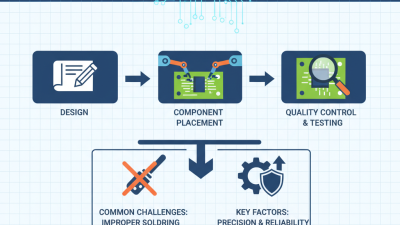
What Is the Best PCB Board Manufacturer in China?

Choosing the best pcb board manufacturer in China requires more than comparing prices or reading polished factory profiles. The right partner must convert design files into stable, traceable production. In practice, that means reviewing material control, drilling accuracy, layer alignment, solder-mask consistency, and final inspection records. A reliable manufacturer should explain these steps clearly, not hide behind broad claims. Experience matters here. Engineers who have handled prototype failures can identify risks before they become expensive production delays. Yet “best” is never universal. A supplier suited to rigid two-layer boards may struggle with fine-pitch HDI assemblies.

A serious evaluation should begin with evidence. Request recent sample boards, process capability data, certifications, and references from comparable projects. Check whether the factory uses AOI, electrical testing, impedance control, and documented corrective actions. Ask how it manages copper thickness, surface finish, and incoming materials. Small details reveal operational discipline. For example, a clear lot number on a shipment can connect one board to its laminate batch and inspection history. Communication also deserves testing. Send a technical question and observe whether the answer is precise, prompt, and practical.

Cost still matters, but the lowest quotation can conceal scrap, rework, weak packaging, or missed delivery windows. A dependable partner balances price with yield, reliability, engineering support, and scalable capacity. Independent audits and a controlled pilot order are sensible safeguards. No factory is perfect. We should admit that. Even experienced buyers can overlook unclear tolerances or unrealistic schedules. This guide compares Chinese manufacturers through measurable criteria, while recognizing that trust develops through verified performance, not promises. The final choice should fit your product, risk tolerance, and long-term quality expectations.

What Is the Best PCB Board Manufacturer in China?

What Defines the Best PCB Board Manufacturer in China?

The best PCB board manufacturer in China is defined by repeatable performance, not a polished website. From factory evaluations, I have learned to inspect process evidence closely. A capable supplier should explain stack-up design, impedance control, copper thickness, and surface treatment clearly. Vague answers are warning signs.

Production discipline matters every day. Engineers should review Gerber files, drill maps, and assembly drawings before fabrication begins. During production, automated optical inspection, electrical testing, and cross-section checks reveal hidden defects. Look for lot traceability, calibrated equipment, and documented corrective actions. Small details matter.

Communication also separates a reliable partner from a risky one. The manufacturer should report material changes, yield problems, and schedule delays without waiting for complaints. Technical support should include practical feedback, such as adjusting an overly narrow trace or improving thermal relief design. Fast replies are helpful. Accurate replies matter more.

No factory is flawless. I once saw a project delayed because a revised drawing was not linked to the production order. That mistake was preventable, and it changed how I assess document control. Ask for sample inspection records, quality certificates, production photos, and references from comparable projects. Price still matters, but an unusually low quotation may hide thinner copper, weaker testing, or unstable materials. The best manufacturer proves reliability through transparent processes, measured results, and consistent delivery.

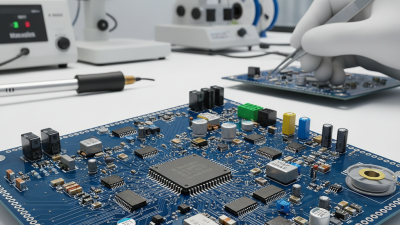
Which PCB Manufacturing Capabilities Should Buyers Compare?

When buyers ask for the best PCB manufacturer in China, they should compare capabilities before comparing prices.

A reliable supplier must support the board type, performance target, and production volume required by the project.

Check layer count, board materials, copper thickness, and controlled impedance options. For high-speed designs, ask for impedance reports and cross-section samples. HDI capability matters when products need smaller packages and tighter routing. Rigid-flex production may be essential for compact medical, industrial, or wearable equipment. Also review via structures, minimum trace spacing, surface finishes, and dimensional tolerances.

Ask how the manufacturer handles design-for-manufacturing reviews. A useful engineering team can identify weak solder masks, crowded vias, or unrealistic drill sizes before production begins.

Request pilot samples, electrical testing records, inspection criteria, and material traceability. Certifications can support reliability, but they do not replace process evidence. Check whether the factory can maintain stable output, not only produce one impressive sample.

Capacity deserves careful attention.

A supplier may accept a small prototype yet struggle with monthly production. Confirm equipment, lead times, quality controls, packaging, and response procedures for defects. Price alone is a poor measure. Sometimes, a cheaper quotation hides extra testing, rework, or delayed delivery.

No factory is perfect, and buyers should test assumptions with a trial order. Even experienced teams can overlook thermal performance or assembly-related risks. Clear technical communication often reveals more than a polished sales presentation.

How to Evaluate Quality, Certifications, and Production Standards

What Is the Best PCB Board Manufacturer in China?

The best PCB manufacturer is not defined by price alone. It should show consistent quality, verified certifications, and controlled production standards. Ask for certificates with valid dates, issuing bodies, and covered facilities. ISO 9001 supports quality management, while ISO 14001 addresses environmental control. Automotive or medical projects may require stricter standards, such as IATF 16949 or specialized customer requirements. Certification scope matters. A certificate on a website proves little if it excludes your production line.

Walk through the manufacturing process, from material storage to final packing. Check whether operators scan lot numbers and record temperature, humidity, and chemical conditions. Reliable factories use incoming inspection, automated optical inspection, impedance testing, and X-ray checks where needed. Request sample test reports, cross-section images, and solderability records. Ask how defects are isolated and corrected. A clear corrective-action report shows more maturity than a polished sales presentation.

Production capacity must match your actual order pattern. Confirm layer count, minimum trace width, surface finish, tolerances, and monthly output in writing. A small pilot order can expose poor drilling, uneven plating, or weak documentation. Communication is also evidence of competence. Engineers should explain design-for-manufacturing risks before production begins. No factory is flawless. I would remain cautious when every answer sounds perfect, especially when the supplier avoids sharing process data, audit access, or realistic delivery limitations.

What Industries and PCB Types Can Chinese Manufacturers Support?

China’s PCB sector supports consumer electronics, telecommunications, automotive systems, medical equipment, industrial controls, and renewable-energy hardware.

Prismark’s 2024 market summary estimated the global PCB market at roughly US$70 billion in 2023. China remains a major production center within this supply chain.

Demand is shifting toward compact, faster, and more thermally stable boards. Automotive and communication equipment require strict traceability. Medical and industrial products need stable performance over long operating periods.

Chinese manufacturers commonly produce single-sided, multilayer, HDI, flexible, rigid-flex, metal-core, and high-frequency PCBs. Some also support IC substrates and heavy-copper designs.

IPC’s 2024 Technology Roadmap identifies signal integrity, advanced materials, and higher interconnect density as continuing industry priorities. A capable factory should show controlled impedance records, cross-section reports, solderability results, and documented change management.

Certifications such as ISO 9001, IATF 16949, ISO 13485, or AS9100 may fit different industries.

Certification alone proves little. Audit the process.

Tips: Match the factory to your risk level, not only your quotation.

Request three recent, anonymized quality records. Check layer registration, copper thickness, drilling accuracy, and final electrical testing. Ask how defects are isolated.

A perfect manufacturer is unlikely. Specifications can look excellent on paper, yet production discipline may vary. That uncomfortable gap deserves attention.

How to Select the Right Chinese PCB Manufacturer for Your Project

Choosing a Chinese PCB manufacturer starts with evidence, not a polished website. Define layer count, material grade, copper weight, impedance, and annual volume before requesting quotations. Ask for DFM feedback on your actual Gerber files. A serious engineering team should identify tight clearances, thermal risks, and possible yield problems.

Grand View Research valued the global PCB market at about USD 89.7 billion in 2023 and forecasts continued growth through 2030. This scale creates options, but it also creates noise. Prismark’s 2024 industry report places China at roughly half of global PCB production value. Capacity alone is not enough. Review ISO 9001 and ISO 14001 certificates, laboratory scope, and certificate validity. For automotive or medical projects, verify relevant sector qualifications independently. Do not accept a scanned certificate without checking its issuing body.

Request samples from the same production line intended for mass production. Measure hole quality, solder-mask registration, surface finish, and impedance. Ask for first-pass yield, rework rates, test coverage, and traceability records. Numbers matter.

A factory tour can mislead.

Use a controlled pilot order. Compare delivery performance, engineering response time, and corrective-action reports. The lowest quote may exclude tooling, testing, or packaging. That lesson is easy to forget. A complete supplier scorecard should weight quality, communication, capacity, compliance, and total landed cost, rather than price alone. No audit is perfect, so retain an independent inspection step before volume release.

Wordpress Social Share Plugin powered by Ultimatelysocial
Facebook
X (Twitter)
YouTube
LinkedIn
Share

Purchase Product Request

Request Pricing