How to Optimize PCB Production for Global Buyers?
The global PCB production market is witnessing significant growth, projected to reach $100 billion by 2025. This surge is driven by the increasing demand for electronic devices across industries. Efficient PCB production is crucial for meeting the needs of global buyers. Companies are now seeking ways to enhance their production processes to stay competitive.
However, challenges persist in the PCB manufacturing landscape. Supply chain disruptions, material shortages, and fluctuating costs create hurdles. Many buyers demand faster turnaround times and higher quality. It’s essential to reflect on current practices and identify areas for improvement. Moreover, adhering to industry standards and regulations is vital for maintaining credibility.
Investing in advanced technologies can lead to better PCB production outcomes. Automation and smart manufacturing techniques are gaining traction. Impacts on efficiency and cost-effectiveness can be substantial. Companies must adapt to the evolving market demands while ensuring reliable and high-quality products. This delicate balance will play a pivotal role in optimizing PCB production for global buyers.
Identifying the Needs of Global PCB Buyers
Understanding the needs of global PCB buyers is crucial for optimizing production. Buyers often seek high quality and reliability in PCBs. They require timely delivery and cost-effectiveness. It’s essential to identify these needs early in the production process.
Manufacturers should engage with buyers regularly. This helps in understanding specific requirements. Feedback mechanisms are vital. Gathering insights can mean the difference between a one-time order and repeat business.
Tips: Focus on flexibility in production. Customize orders based on buyer demands. Quality assurance processes should be prioritized. Consider implementing technology to streamline communication. Poor communication can lead to misunderstandings and delays. Always aim for transparency in your operations. This builds trust and confidence with buyers.
Streamlining PCB Design for International Standards
Streamlining PCB design for international standards is crucial in today's global market. Buyers expect high-quality products that comply with various regulations. Understanding diverse design standards can be challenging but essential. Engineers must prioritize clear documentation and precise specifications to minimize errors.
Proper communication with suppliers is essential. Many misunderstand the requirements, leading to delays or rejections. Designers should engage in detailed discussions. Regular feedback loops can bridge gaps in understanding. Testing prototypes against international standards helps identify potential design flaws early. Iterative design processes are beneficial, but often overlooked.
Moreover, considering material choices is critical. Some materials may not meet international standards, which can cause compliance issues. This is often a reflection of a lack of research in the early stages. Environmental regulations are also constantly evolving; staying updated is necessary. Tailoring designs to accommodate global standards is not just wise—it’s essential. This helps avoid costly mistakes down the line.
PCB Production Optimization Metrics
This chart presents key metrics related to optimizing PCB production tailored for global buyers. It highlights five critical dimensions: Design Complexity, Material Cost, Manufacturing Time, Quality Assurance, and Shipping Time, measured on a scale from 0 to 100.
Enhancing Supply Chain Management for PCB Production
Enhancing supply chain management in PCB production is crucial for global buyers.
Efficient supply chains lead to faster production times and better cost control.
To achieve this, consider streamlining your sourcing processes.
Having a reliable database of suppliers can save time when selecting materials.
Tips for optimizing procurement include prioritizing local suppliers for quicker delivery.
Establish clear communication channels. Miscommunication can lead to production delays.
Regularly assess supplier performance to ensure they meet quality standards.
Investing in technology can also boost efficiency.
Implement automated inventory management systems.
These systems can predict supply needs based on production schedules.
However, remember to review data regularly.
Excess reliance on automation can create blind spots.
Adapting to changing market dynamics should remain a priority for all partners involved.
Implementing Quality Control Measures in PCB Manufacturing
Quality control is essential in PCB manufacturing. Implementing strict quality control measures ensures that the final product meets the specifications and standards demanded by global buyers. It involves systematic testing and inspection at every stage of production. From raw material selection to the final assembly, each step needs careful monitoring. Without this, defects might arise, affecting performance and reliability.
Incorporating automated testing can enhance the efficiency of quality control. Automated optical inspection (AOI) detects faults in circuit boards swiftly. This helps identify problems early, minimizing production delays. Workers must stay vigilant too. Regular training sessions can keep them updated on best practices and emerging technologies.
Documentation is another crucial element. Maintain detailed records of quality checks, test results, and any deviations from standards. This transparency builds trust with buyers and allows for traceability. However, ensuring consistency in documentation can sometimes be challenging. Teams must communicate effectively to uphold quality across different shifts and facilities. Frequent audits can help identify gaps in processes and facilitate continuous improvement.
Leveraging Technology for Efficient PCB Production Processes
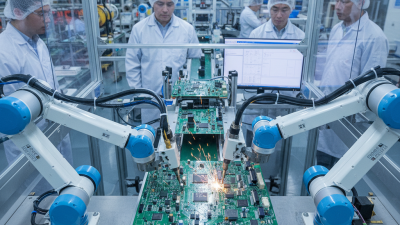
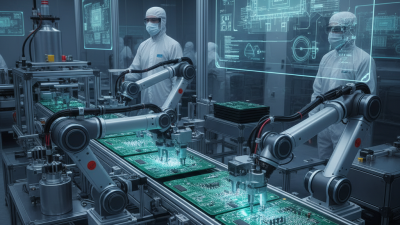
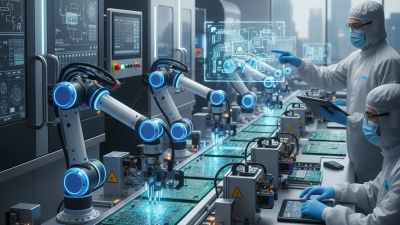
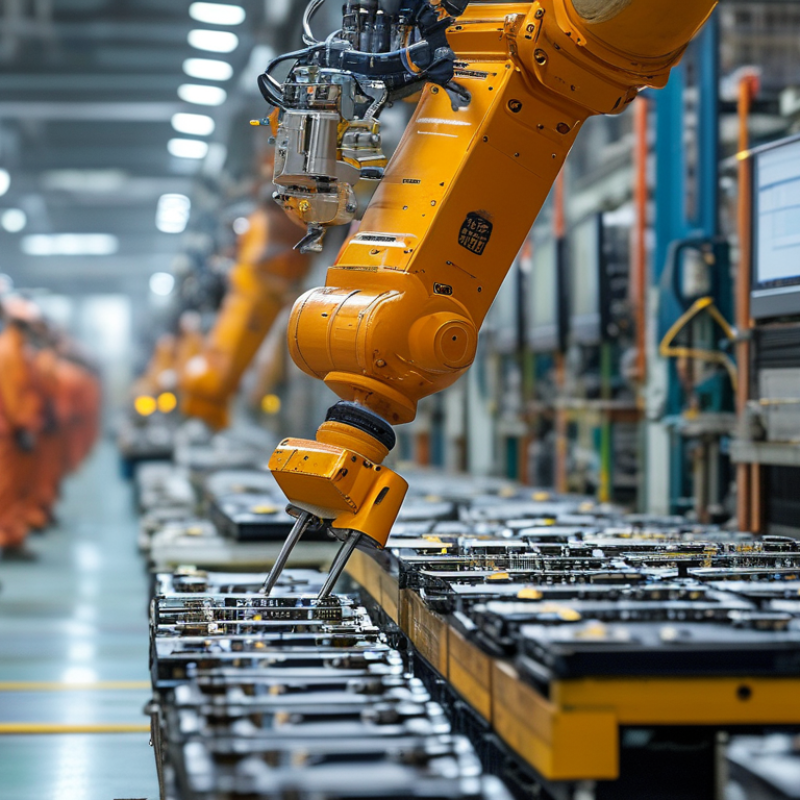
In today’s competitive market, optimizing PCB production is crucial for global buyers. Embracing advanced technology can enhance efficiency and reduce costs. Automation tools streamline the manufacturing process, minimizing human error. For instance, using automated soldering machines can significantly speed up production times while ensuring quality. This not only increases output but also helps in meeting tight deadlines.
Data analytics plays a vital role in refining production processes. By analyzing production metrics, manufacturers can identify bottlenecks and areas for improvement. This data-driven approach allows companies to make informed decisions. With the right insights, adjustments can lead to significant efficiency gains. However, it is essential to also acknowledge that reliance on technology comes with challenges. Transitioning to fully automated systems can be daunting and may encounter resistance from the workforce.
Quality control is another area enhanced by technology. Implementing real-time monitoring can catch defects early, reducing waste. Yet, it's important to regularly assess these systems. Over time, technology can become outdated or fail to meet evolving standards. Continuous improvement in processes is necessary to maintain competitiveness. A commitment to innovation can yield long-term benefits, but businesses must strike a balance between technology use and human oversight.
How to Optimize PCB Production for Global Buyers? - Leveraging Technology for Efficient PCB Production Processes
| Dimension |
Description |
Current Trends |
Best Practices |
| Supply Chain Management |
Managing the flow of materials and components efficiently. |
Just-in-time delivery and real-time tracking. |
Collaborate with reliable suppliers and use inventory management tools. |
| Manufacturing Process Automation |
Use of machines and software to automate PCB manufacturing. |
Increased use of robotic process automation (RPA). |
Integrate IoT for real-time monitoring of production lines. |
| Quality Control |
Ensuring that PCBs meet required specifications. |
Implementing advanced inspection technologies like AOI. |
Establish a continuous feedback loop for improvement. |
| Environmental Sustainability |
Minimizing the environmental impact of PCB production. |
Adoption of green materials and processes. |
Conduct regular audits and implement sustainability practices. |
| Digital Transformation |
Incorporating digital technologies into the PCB manufacturing process. |
Utilization of AI and data analytics. |
Train employees in digital skills and mindset. |