Top 10 PCB Manufacturing and Assembly Tips for Global Buyers?
In the competitive landscape of electronics, effective pcb manufacturing and assembly are vital for success. Global buyers face numerous challenges in selecting the right partner for these processes. With the right insights, they can make informed decisions that enhance product quality and reduce costs.
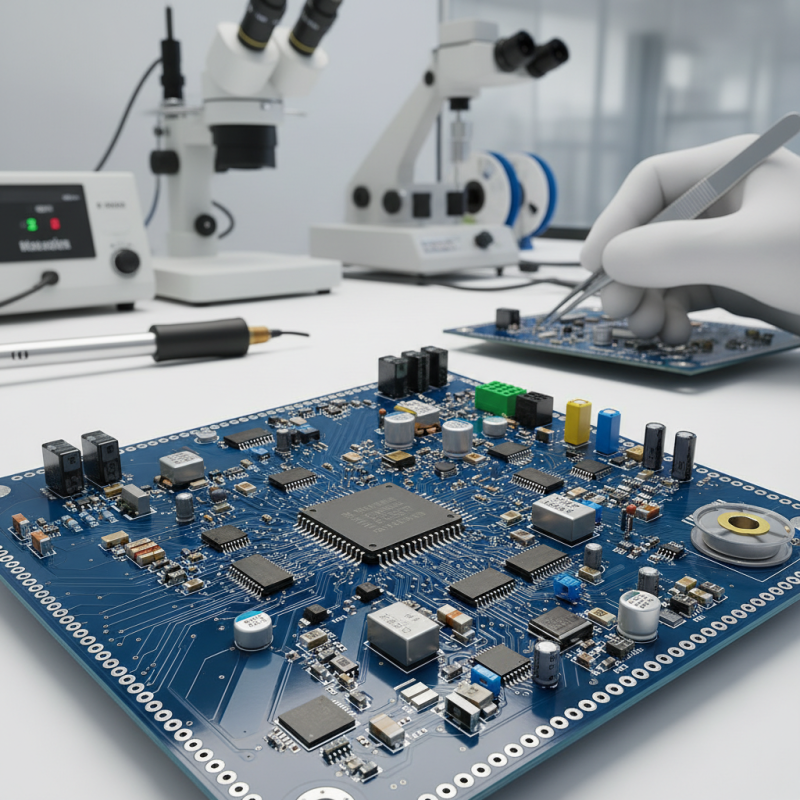
Understanding the intricacies of pcb manufacturing is crucial. Buyers often overlook key factors that impact the overall outcome. For instance, material selection can greatly influence the longevity and reliability of pcbs. Furthermore, attention to design details ensures seamless assembly, reducing the likelihood of production errors.
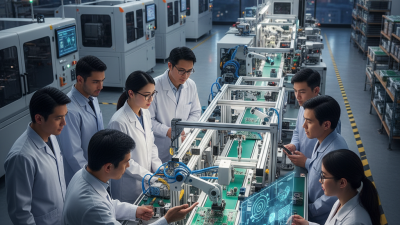
Navigating these complexities requires expertise and a keen eye for quality. Buyers should not rush the selection process. Reflecting on common pitfalls can lead to better choices. The journey of pcb manufacturing and assembly must prioritize precision and collaboration for optimal results.
Understanding PCB Manufacturing Basics for Global Buyers
Understanding the basics of PCB manufacturing is crucial for global buyers. Many buyers overlook the impact of material selection on production quality. According to industry reports, about 25% of PCB defects arise from inadequate materials. The choice of substrate, copper thickness, and laminate type directly influences circuit performance.
Design complexity is another key factor. Reports indicate that 60% of redesigned PCBs stem from initial design flaws. It's essential to communicate effectively with engineers during the design phase. This practice can minimize costly revisions later. Misunderstandings in specifications can lead to delays in production and increased costs.
Quality control processes must not be underestimated. A staggering 80% of manufacturers highlighted the significance of rigorous testing in their reports. Skipping essential testing stages can result in large-scale failures. Buyers must demand transparency in testing protocols from manufacturers. Being informed about the entire production chain allows buyers to make confident decisions.
Key Materials and Components in PCB Assembly
In PCB assembly, choosing the right materials and components is crucial for quality and performance. Common materials include FR-4 for substrates and copper for traces. The selection of solder is equally important. Lead-free solder is preferred for environmental reasons. However, this can lead to challenges in the assembly process. Adjusting to different melting points takes time and expertise.
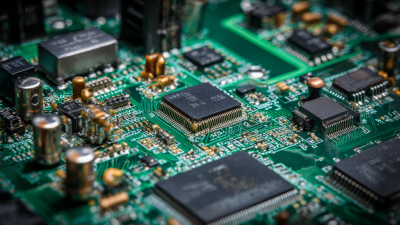
Components often used in PCBs include resistors, capacitors, and integrated circuits. The reliability of these components can vary. Sourcing quality components can mitigate issues later in production. It's essential to establish relationships with trusted suppliers. Regularly assessing supplier reliability can improve manufacturing outcomes.
Consider the impact of PCB design on material selection. Complex designs may demand specialized materials. These materials can be more expensive and harder to source. It's a balance between cost, quality, and design requirements. Overlooking this can lead to delays and increased costs. Therefore, thorough planning and knowledge of component specifications are key.
Top 10 PCB Manufacturing and Assembly Tips for Global Buyers
| Tip No. |
Tip |
Key Material |
Component Type |
Additional Considerations |
| 1 |
Choose the Right PCB Material |
FR-4 |
Standard |
Consider thickness and dielectric constant |
| 2 |
Optimize Layout for Manufacturing |
Copper |
Trace |
Minimize crossing of traces |
| 3 |
Select Suitable Components |
Capacitors |
Surface Mount |
Check for availability in large quantities |
| 4 |
Ensure Proper Hole Sizes |
Holes |
Via |
Consider manufacturing limits for small holes |
| 5 |
Communicate with Your Manufacturer |
N/A |
N/A |
Discuss any custom requirements early |
| 6 |
Test Your Design |
Prototype |
N/A |
Conduct electrical and thermal tests |
| 7 |
Evaluate Manufacturing Capabilities |
N/A |
N/A |
Check for required certifications and processes |
| 8 |
Consider Lead Times |
N/A |
N/A |
Plan ahead for production and shipping delays |
| 9 |
Review Quality Assurance Procedures |
N/A |
N/A |
Ensure thorough inspections during production |
| 10 |
Stay Informed on Technology Trends |
N/A |
N/A |
Regularly update skills and knowledge |
Quality Control Measures for PCB Production
Quality control is crucial in PCB production. Clear and stringent quality control measures ensure the reliability of final products. Each manufacturing step must have checkpoints. Inspect raw materials for defects. This initial evaluation prevents issues down the line.
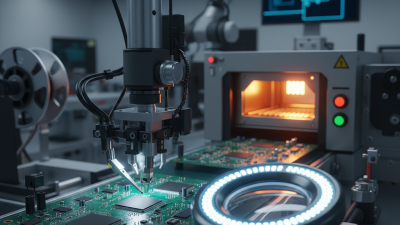
Implementing rigorous testing is essential. Automated optical inspection (AOI) can detect errors effectively. Electrical testing checks for functionality. Both methods reduce faulty products. Still, human oversight is necessary. Machines may miss subtle flaws. A well-trained quality assurance team can identify discrepancies that machines overlook.
Documentation is another vital aspect of quality control. Keep detailed records of inspections and testing results. This transparency builds trust with clients. Regular audits also help maintain high standards. It’s easy for manufacturers to overlook minor details. However, these small oversights can lead to larger failures later. Building a culture of continuous improvement is key. Focus on feedback loops to refine processes consistently.
Top 10 PCB Manufacturing and Assembly Tips for Global Buyers
Navigating Global Suppliers and Manufacturing Locations
Navigating the global landscape of PCB manufacturing can be challenging. Buyers must understand different regions' strengths and weaknesses. Certain countries excel in speed, while others offer superior quality. Familiarity with regional specifics can significantly impact project success.
Quality assurance is a major concern. Not all suppliers adhere to the same standards. Conducting thorough evaluations can safeguard your interests. Communication barriers may arise, leading to misunderstandings. It's crucial to establish clear lines of communication and documentation. Regular follow-ups and updates can prevent surprises down the line.
Cost factors also merit attention. While low prices may be tempting, they often hide potential compromises. Always assess additional expenses, such as shipping and tariffs. Finding a balance between cost and quality is critical. Experience can guide decisions, but reflection is necessary when evaluating past partnerships.
Cost Management Strategies in PCB Procurement
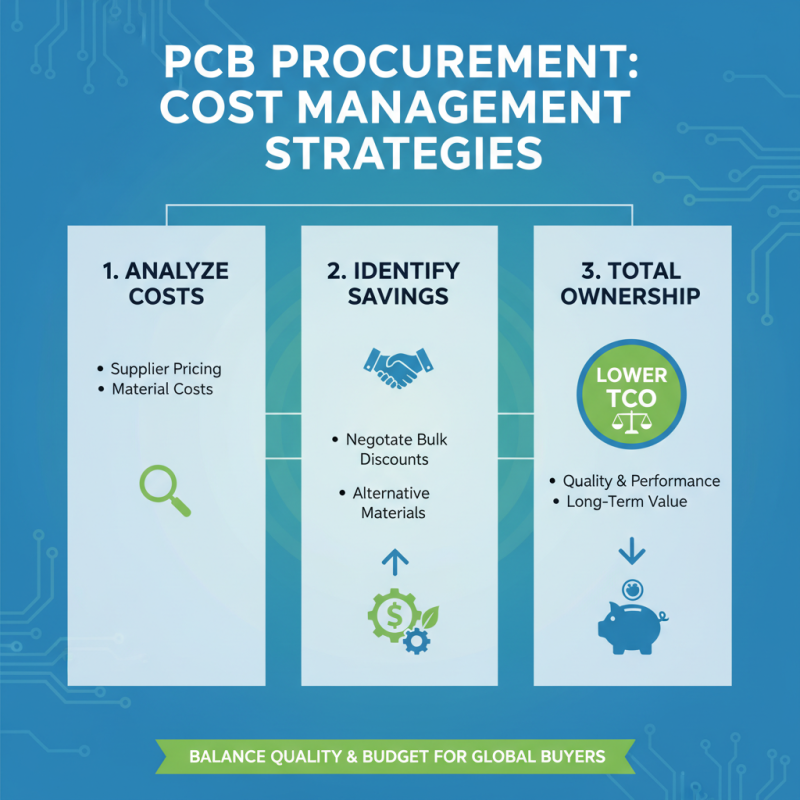
Cost management in PCB procurement is essential for global buyers aiming to balance quality and budget. By analyzing supplier pricing and material costs, companies can spot opportunities for savings. This can include negotiating bulk discounts or seeking alternative materials that maintain performance while reducing expenses. Always consider the total cost of ownership, not just the initial price.
In addition, buyers should focus on supply chain efficiency. Delays can lead to increased costs and missed deadlines. Maintain open lines of communication with manufacturers to monitor production timelines. Evaluate logistics costs carefully. Sometimes, shipping options can significantly affect budgets. Employing predictive analysis tools can help forecast demands and avoid overproduction, leading to more efficient inventory management.
Even with proactive measures, unexpected expenses may arise. For instance, last-minute design changes or unforeseen technical issues can inflate costs. Reflecting on these challenges can lead to better planning in future projects. Documenting lessons learned helps in building a more resilient procurement strategy. By continuously improving processes, companies can enhance their overall cost management approach.