What Is a PCB Quote and What Does It Include?

A pcb quote is more than a unit price. It is a snapshot of how your design, materials, quantity, and delivery needs translate into manufacturing cost. That snapshot matters: small changes to board dimensions, copper weight, or layer count can affect both price and lead time.

Grand View Research’s PCB Market Size, Share & Trends Analysis estimated the global PCB market at USD 76.12 billion in 2023. Prismark’s annual PCB industry analysis also tracks market growth and shifts in product demand. These reports describe a large, changing supply chain, but they do not set the price of an individual board. Your quote depends on the details supplied to the fabricator.

A useful pcb quote typically identifies the board quantity, dimensions, layer count, base material, copper thickness, surface finish, and required tolerances. It may also list tooling or setup charges, electrical testing, panelization, shipping, and estimated production time. Check what is excluded, too. Assembly, taxes, or expedited freight may appear separately. Small changes count.

Clear files help. Share fabrication drawings, Gerber or other accepted manufacturing data, and a stack-up when available. IPC-2221 provides widely used guidance for PCB design, but a standard cannot replace a fabricator’s review of your specific files. One easy-to-miss detail is the quote’s validity period; material costs and capacity can change. A quote is a useful starting point, not a promise that every later revision will cost the same.
What Is a PCB Quote and What Does It Include?

What a PCB Quote Is and How It Is Used

A PCB quote is a cost estimate based on a board’s design details and requested production conditions. It helps a buyer understand the likely price, schedule, and scope before placing an order. The estimate may cover board dimensions, layer count, material, copper weight, surface finish, quantity, and delivery options. It should also state what is not included, such as assembly or special testing. Check the assumptions closely.

A quote is useful only when its inputs match the intended design. For example, a four-layer board with a 1.6 mm thickness and standard finish may be priced differently from a thin board with controlled impedance. Even a small change in quantity can alter the unit cost. Compare quotes using the same files, specifications, and delivery requirements. A lower figure may reflect a different finish or a longer lead time, not better value.

Teams use quotes to plan budgets, review trade-offs, and decide whether a design needs adjustment. If a quote lists an unusual material or vague tolerances, ask for clarification before approving it. Some estimates rely on preliminary files, so the final price can change after engineering review. That can be frustrating. Treat the quote as a practical planning document, not a guarantee, and keep a record of the version used for pricing.


What Is a PCB Quote and What Does It Include?

A PCB quote is a price estimate based on board specifications, order quantity, and delivery requirements.

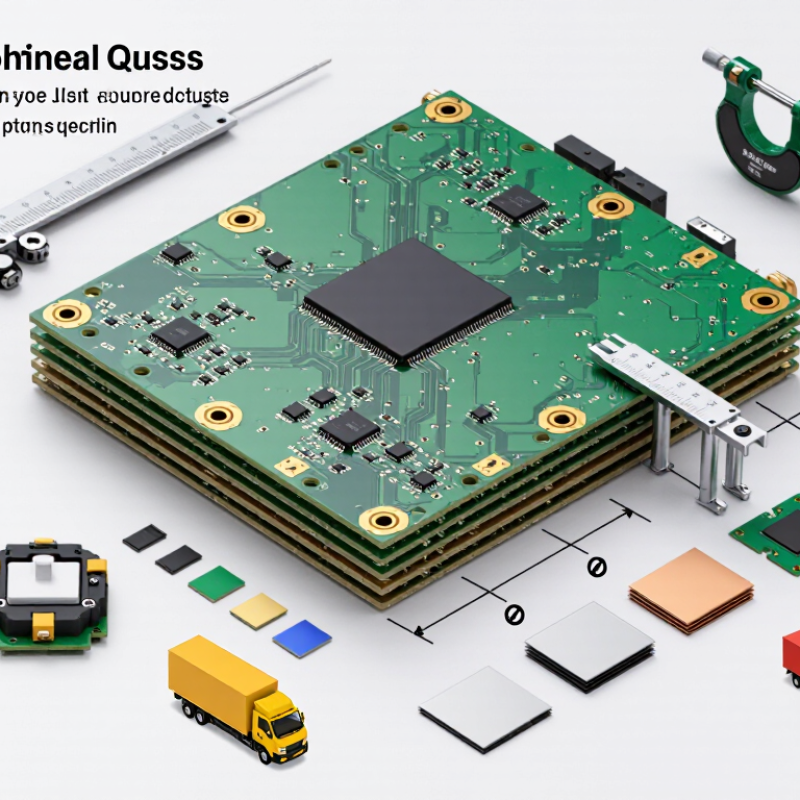
Illustrative example for a 100-piece order: the quote separates board fabrication, setup, electrical testing, and shipping. Actual prices vary with specifications, quantity, supplier, and delivery destination.

The Information Needed to Request an Accurate PCB Quote

A PCB quote is only as accurate as the information behind it. Send the latest Gerber or ODB++ files with a clear revision identifier, so the fabricator prices the design you intend to build. Include board dimensions, layer count, finished thickness, copper weight for each layer, and material type. State the solder-mask and silkscreen colors, surface finish, and any controlled-impedance targets. Small details matter. For impedance requirements, provide target values and relevant trace or stackup notes; otherwise, the fabricator may need to make assumptions that affect cost or performance.

Specify the order quantity, prototype or production status, panelization preference, and requested delivery date. Clarify whether you need bare boards or assembly, and note testing needs, such as electrical testing. Share unusual tolerances, slots, edge plating, countersinks, or via requirements with the files; a drawing can clarify details that artwork alone may not show. Check that files match. A mismatch between drill data and the board outline can prompt questions or a revised price. If some choices are undecided, say so and ask for priced options instead of leaving gaps. It can feel fussy, but listing assumptions beside the quote makes comparisons more reliable.

Factors That Determine PCB Manufacturing Costs

A PCB quote is shaped by more than board size. A 100-by-80-millimeter board may cost far more than a simple two-layer design if it needs eight layers, tight spacing, or controlled impedance. Layer count adds material and pressing steps. Fine trace widths can also require more precise imaging and inspection.

Material and copper weight matter too. Standard FR-4 is often economical, while high-frequency laminates typically cost more. Thicker copper can help carry current, but it may complicate fine-line etching. Surface finish, solder-mask color, board thickness, and edge treatment also affect the price. Small details add up.

Quantity changes the calculation. A prototype may carry a larger setup cost per board, while a production run spreads tooling and programming costs across more units. Panelization can improve material use, though the panel layout must suit the design. Testing requirements, electrical tolerances, and delivery speed may add further charges. Rush production often costs extra. It can be tempting to request the tightest tolerances everywhere, but that may raise the quote without improving circuit performance. Comparing quotes works best when the specifications, quantities, and inspection requirements match. A vague drawing can leave important costs unresolved.

Typical Items Included in a PCB Quote

A PCB quote should show more than a unit price. It should identify the board’s dimensions, layer count, finished thickness, copper weight, base material, and surface finish. These details affect material use and fabrication steps. A 1.6 mm, four-layer board with a standard finish is not comparable to a thin, impedance-controlled board with a more specialized finish. Small details matter.

Prismark’s 2024 industry outlook estimated that global PCB production value fell about 15% in 2023, then projected roughly 5.8% growth in 2024. That changing market context helps explain why material costs and quote validity periods matter. A useful quote states the order quantity, price breaks, tooling or setup charges, estimated lead time, and shipping terms. It should also clarify whether electrical testing and inspection are included. Ask how the supplier interprets any special requirements.

Check the stated acceptance criteria against the drawing and applicable IPC workmanship or performance requirements. For controlled impedance, confirm whether test coupons and impedance reports are included. For prototypes, tooling costs can weigh heavily on each board; larger runs spread those costs across more units. I would still question vague lines such as “standard test.” They can hide important differences. A clear quote makes assumptions visible, even when some details remain open.

What Is a PCB Quote and What Does It Include? - Typical Items Included in a PCB Quote

Quote item What it typically specifies Why it matters
Board quantity and unit price Requested quantity, total price, and price per board or panel, where applicable. Production setup and material usage are spread across the order; unit pricing can change with quantity.
Board dimensions and outline Finished board length and width, shape, and any specified routing or scoring requirements. Dimensions and outline affect material utilization and fabrication operations.
Layer count and stack-up Number of conductive layers and, when provided, the layer arrangement and dielectric structure. More layers and specific stack-up requirements can add materials and processing steps.
Base material and board thickness Specified laminate type, such as FR-4, and finished board thickness or tolerance. Material choice and thickness influence availability, performance, and manufacturing requirements.
Copper weight Copper thickness requirements for outer and, if specified, inner layers. Heavier copper can require different processing and may affect achievable design features.
Solder mask and silkscreen Mask color and coverage, plus legend color, side, and any requested marking details. Color and coverage choices need to match the supplied design files and manufacturing specification.
Surface finish Specified finish on exposed copper pads, such as lead-free HASL, ENIG, or OSP. Finishes differ in process, cost, and suitability for the board’s assembly and storage needs.
Drilling and design rules Hole sizes, plated or non-plated holes, and any stated minimum trace, spacing, or other fabrication limits. Fine features and special hole requirements may need additional process controls.
Panelization and delivery format Whether boards are quoted individually or in a panel, including any specified rails, tabs, or scoring. Panel format affects usable material area and how boards are separated after fabrication.
Testing and inspection Included checks, such as electrical continuity and isolation testing, and any stated inspection requirements. The quote should clarify which verification steps are included and whether special testing is requested.
Setup or non-recurring charges Any one-time tooling, engineering, or production setup charges, shown separately when applicable. Separating these charges makes it easier to compare the initial order with repeat orders.
Lead time and shipment Estimated production time, shipping method or cost, and any stated delivery assumptions. Production lead time and transit time are different; confirm what the estimate includes.
Taxes, validity, and scope Quote expiration date, applicable taxes or duties, and whether the price covers bare-board fabrication only. Tax treatment varies by destination. Component sourcing and assembly are not included unless explicitly listed.

A PCB quote is a priced offer based on the supplied design files, specifications, quantity, and delivery requirements. Confirm that the quote matches the intended revision and clearly states any exclusions.

How to Review and Compare PCB Quotes

A PCB quote is useful only when its assumptions match your design. Before comparing prices, check that each supplier received the same Gerber files, drill data, board dimensions, quantity, and delivery location. Small differences matter. A quote based on a different layer stackup or panel size may look cheaper but describe a different board.

Review the technical details line by line. Confirm layer count, finished board thickness, copper weight, surface finish, solder-mask color, and minimum trace and spacing. Check whether electrical testing, tooling, panelization, and packaging are included or charged separately. Lead time should also be clear: does it begin after file approval, or after payment? Ask about shipping, taxes, and quote validity when those details are missing. Do not assume “standard” means the same thing everywhere.

Then compare the total cost and the production risk. A low unit price can hide setup fees or expedited freight. For example, a 100-piece quote may exclude the test report you need, while another includes it. Put each quote into a simple table, and record unanswered questions beside the price. Not perfectly tidy. Some assumptions will remain unclear until the supplier confirms them. Save those replies with the quote, and request revised pricing if a specification changes. A careful comparison takes longer, but it reduces surprises when the boards arrive.

Wordpress Social Share Plugin powered by Ultimatelysocial
Facebook
X (Twitter)
YouTube
LinkedIn
Share

Purchase Product Request

Request Pricing