Top 10 PCB Quote Questions Global Buyers Ask?

A reliable pcb quote is more than a unit price. It is a technical and commercial checkpoint. Global buyers use it to test supplier capability, cost transparency, lead-time control, and production risk.

IPC market reports show how strongly electronics demand affects printed circuit board supply, capacity, and delivery performance. The Prismark 2024 Global PCB Industry Report also highlights uneven regional growth and continuing pressure on advanced-board capacity. These trends make quotation details increasingly important. A missing stack-up, unclear copper weight, or vague testing requirement can change the final cost dramatically.

Industry analyst Mike Buetow has often emphasized, “The PCB industry is a bellwether for the electronics industry.” That observation remains useful when buyers compare quotes across China, Taiwan, Europe, and North America. A lower number may hide longer transit, weaker inspection coverage, or engineering assumptions. Not every quotation is directly comparable.

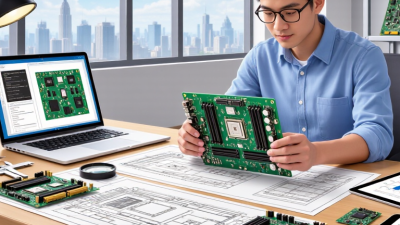
This guide examines the top ten questions global buyers ask before approving a pcb quote. It covers materials, tolerances, tooling, certifications, samples, production quantity, payment terms, and shipping conditions. The goal is practical clarity. Ask about the details visible on the factory floor: the laminate brand, the test fixture, the inspection record, and the packed cartons waiting for dispatch.

Some questions may feel repetitive. They are still necessary. Experienced purchasing teams know that one overlooked assumption can cost more than a small price difference. Yet buyers should also challenge their own specifications. Overengineering a board can inflate cost without improving reliability. A strong quotation process is therefore not perfect. It is transparent, documented, and open to review.

Top 10 PCB Quote Questions Global Buyers Ask?

What Information Do Global Buyers Need for an Accurate PCB Quote?

What Information Do Global Buyers Need for an Accurate PCB Quote?

An accurate PCB quote starts with complete production data, not only a board image. Send Gerber files, drill files, and the latest revision number. Include board length, width, thickness, layer count, and copper weight. A clear stack-up prevents costly assumptions. Material selection matters too, especially for high-frequency or heat-sensitive designs.

Specify surface finish, solder mask color, silkscreen details, impedance requirements, and finished-hole tolerances. State the expected quantity, delivery location, and target production schedule. For assembled boards, provide the bill of materials, component placement files, and assembly drawings. Part substitutions should require approval. Otherwise, a lower price may hide technical risk.

I have reviewed quotes where one missing drill tolerance changed the manufacturing method. Small details matter. Specify testing needs, electrical requirements, edge plating, slots, and panelization preferences. Mention certifications required for the destination market. Experienced engineers can then check manufacturability before pricing. Still, no quote is perfect when the design is unfinished. A preliminary estimate may change after layout review. That is normal, but the reason should be documented clearly. One practical improvement is to mark urgent changes directly in the revision notes, rather than relying on email descriptions.


How Do PCB Specifications Affect Pricing and Manufacturing Feasibility?

Global buyers often ask why two PCB quotes differ so sharply. The answer usually begins with specifications, not supplier margins. A four-layer board with 1-ounce copper may cost less than a two-layer board using heavy copper. Layer count alone does not determine price.

From my experience reviewing production files, trace width and spacing can change feasibility quickly. A 0.10 mm trace may require tighter process control than a 0.20 mm trace. Small vias, narrow annular rings, and strict impedance targets can increase drilling and inspection costs. They may also reduce yield. That matters.

Material selection affects both pricing and production risk. Standard laminate is usually economical, while high-frequency or high-temperature materials need different pressing conditions. Board thickness, copper weight, surface finish, and controlled tolerances must match the application. Otherwise, a low quote may hide later engineering changes. This happens more often than buyers expect.

Quantity also changes the calculation. A prototype may need special setup work, while a larger order spreads tooling costs across more boards. Panel utilization matters too. An unusual outline can leave unused space on the manufacturing panel. I have seen buyers save money by adjusting a board edge by only a few millimeters. It is a small detail, but not always.

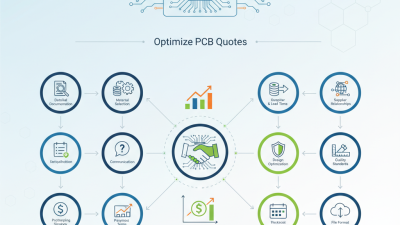
A reliable quote should show the assumptions behind the number. Buyers should ask about material grade, tolerance limits, testing, yield expectations, and delivery conditions. Some specifications look impressive on paper but offer little practical value. Reviewing them with an experienced engineer can prevent expensive revisions before fabrication begins.

Top 10 PCB Quote Questions Global Buyers Ask

How do PCB specifications affect pricing and manufacturing feasibility?

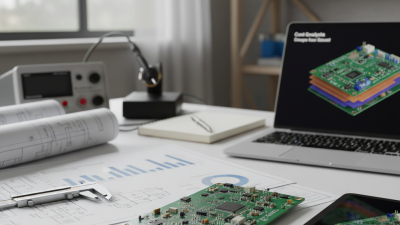
The chart uses a relative unit-cost index where a standard two-layer FR-4 board is set to 100. Higher layer counts, HDI microvias, rigid-flex construction, fine traces, heavy copper, and tight tolerances generally increase processing complexity, inspection requirements, and manufacturing cost. These values are planning benchmarks rather than supplier quotations.

Which Material, Layer, and Finish Choices Change PCB Costs?

Top 10 PCB Quote Questions Global Buyers Ask: Which Material, Layer, and Finish Choices Change PCB Costs?

Material selection often changes the quote before routing begins. Standard FR-4 is usually economical, but high-speed designs may need low-loss laminates. IPC’s 2024 Technology Roadmap highlights rising demand for fine-line routing, high-density interconnects, and advanced materials. These requirements increase fabrication control and inspection costs. A four-layer board may cost less than an eight-layer board, yet layer count is not the only driver. Copper thickness, dielectric spacing, controlled impedance, and via construction can shift pricing sharply. My early estimates focused too much on layers.

That was a mistake.

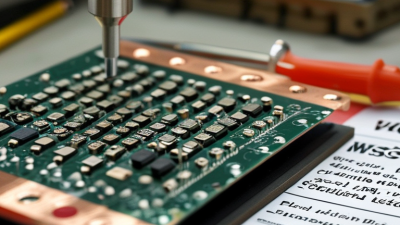
Surface finish also matters. Hot air solder leveling is commonly affordable, while electroless nickel immersion gold adds chemical processing and tighter thickness control. IPC-4552 and IPC-4556 define key requirements for immersion gold and immersion tin finishes. Their specifications show why finish choice affects reliability, solderability, and inspection effort. Gold is not automatically better. It may be unnecessary for ordinary through-hole assembly. For fine-pitch components, however, a flatter surface can reduce placement risks. One practical quote comparison should list material grade, copper weight, total layers, via type, finish, board thickness, and annual volume. The IPC market statistics program continues tracking capacity, technology mix, and pricing pressure across regional PCB production. Still, published averages cannot replace a supplier’s stack-up review. Small assumptions often become expensive surprises.

Top 10 PCB Quote Questions Global Buyers Ask? - Which Material, Layer, and Finish Choices Change PCB Costs?

Indicative commercial and technical benchmarks for standard prototype and production PCB quotations

No. Common Buyer Question Quote Dimension Typical Options Typical Cost Impact Indicative Technical Data Main Reason for the Difference
1 Which PCB material should be selected? Base laminate Standard FR-4; high-Tg FR-4; low-loss or high-frequency laminate Baseline to +20% to +100%+ Standard FR-4 commonly uses Tg around 130–150°C; high-Tg materials are often around 170°C or higher. Resin systems, glass weave, dielectric performance, thermal reliability, and material availability affect both processing and material cost.
2 How many copper layers are required? Layer count 1-layer; 2-layer; 4-layer; 6-layer; 8-layer and above 2-layer baseline; 4-layer often +40% to +100%; higher counts increase further A multilayer board requires additional prepreg, inner-layer imaging, lamination, drilling, and registration control. More layers add material, lamination cycles, alignment requirements, inspection steps, and yield risk.
3 Which board thickness is suitable? Finished thickness 0.8 mm; 1.0 mm; 1.6 mm; 2.0 mm Common thickness near baseline; unusual thickness may add +5% to +25% 1.6 mm is a widely used nominal thickness for many rigid FR-4 designs; actual tolerance depends on stack-up. Nonstandard cores, prepreg combinations, and tighter thickness tolerances can reduce material utilization and increase setup work.
4 Which surface finish is needed? Surface finish HASL; lead-free HASL; ENIG; immersion tin; immersion silver HASL baseline; lead-free HASL +5% to +15%; ENIG commonly +15% to +40% ENIG typically provides a flat surface and is suitable for fine-pitch components; finish thickness and specification affect pricing. Chemical processing, precious-metal content, flatness requirements, shelf-life expectations, and process controls differ by finish.
5 What copper weight is required? Copper thickness 1 oz / 35 µm; 2 oz / 70 µm; 3 oz / 105 µm or more 2 oz often +10% to +30%; heavy copper may be significantly higher Higher copper weight supports greater current capacity but can require wider spacing, longer etching, and adjusted plating control. Additional copper material and more demanding imaging, etching, plating, and thermal management increase processing cost.
6 How small are the traces, spaces, and holes? Design density Standard; fine-line; microvia or HDI Fine-line often +10% to +35%; HDI commonly +30% to +100%+ Conventional production may use larger geometry; microvias, blind vias, and very small finished holes require tighter process control. Higher-resolution imaging, laser drilling, registration accuracy, inspection, and lower process yield increase cost.
7 What quantity and order type are required? Volume and production stage Prototype; 100–500 pieces; 1,000+ pieces; recurring production Unit price generally decreases as quantity increases Fixed engineering, tooling, setup, testing, and shipping charges are distributed across the ordered quantity. Panel utilization, purchasing scale, machine setup time, and production scheduling create volume-based price differences.
8 How quickly must the boards be delivered? Lead time Standard; expedited; emergency production Expedited orders commonly add +15% to +50% or more Typical standard rigid-PCB production may take several working days to a few weeks, depending on complexity and quantity. Overtime, priority material allocation, schedule disruption, and expedited logistics increase the quotation.
9 What testing and inspection level is expected? Quality assurance Visual inspection; electrical test; flying-probe; fixture-based test; AOI and X-ray Additional testing may add +5% to +30%, depending on scope Electrical testing verifies opens and shorts; AOI checks assembly and pattern defects; X-ray is used for selected hidden features. Testing time, fixture development, programming, sampling level, reporting, and documentation affect total cost.
10 Is the design panelized and mechanically specified? Panelization and board outline Single-up; multi-up panel; routed outline; V-score; castellated or irregular edge Efficient panelization can reduce unit cost; complex routing may add +5% to +25% Panel utilization depends on board dimensions, spacing, tooling rails, routing clearance, and the selected depanelization method. Material waste, routing length, tooling, edge quality, and handling requirements influence yield and manufacturing time.

Cost reference: The percentage ranges are indicative industry benchmarks, not fixed quotations. Actual pricing varies with board size, quantity, stack-up, regional labor rates, material availability, testing scope, and shipping requirements.

How Do Quantity, Lead Time, and Shipping Terms Influence the Quote?

Top 10 PCB Quote Questions Global Buyers Ask

Quantity, lead time, and shipping terms can change a PCB quote more than many buyers expect. A 1,000-board order may use standard panels efficiently, while 120 boards can create higher setup and material costs. Larger quantities often reduce the unit price, but they also increase cash tied in inventory. IPC’s 2024 Global Sentiment of the Electronics Industry report highlights continuing demand uncertainty and cost pressure across electronics manufacturing. Therefore, suppliers may price smaller batches more cautiously.

Lead time affects labor planning, component availability, and production scheduling. A seven-day request may require overtime or reserved capacity. A 21-day schedule can allow normal purchasing and lower risk. However, the shortest lead time is not always the safest option. The first quote is rarely perfect. Buyers should ask whether the lead time covers engineering review, fabrication, testing, and export preparation.

Shipping terms influence the final landed cost. UN Trade and Development’s Review of Maritime Transport 2023 states that over 80% of global merchandise trade by volume moves by sea. Air freight may protect an urgent launch, but it can sharply increase logistics costs. Under different Incoterms, responsibility for freight, insurance, customs clearance, and import charges changes. Compare quotes on the same basis: quantity, delivery date, destination, packaging, and shipping term. Small omissions create large surprises.

What Should Buyers Verify Before Approving a PCB Quotation?

Top 10 PCB Quote Questions Global Buyers Ask?

What Should Buyers Verify Before Approving a PCB Quotation?

Before approving a PCB quotation, verify what the price actually covers. Ask whether the supplier priced the latest Gerber files, drill files, stackup, and bill of materials. Revision numbers matter. A small file mismatch can change drilling, copper weight, or panel utilization. Confirm board dimensions, layer count, material grade, surface finish, solder mask color, and minimum trace spacing.

Check whether testing is included in the quoted price. This may cover electrical testing, automated optical inspection, or sample inspection. For controlled-impedance boards, request the target impedance, test method, and tolerance. Do not accept “tested” without details. It sounds reassuring, but it is incomplete. Also verify tooling charges, engineering fees, sample costs, and whether setup charges repeat for later orders.

Delivery terms require equal attention. Confirm the production quantity, acceptable yield, shipping method, packaging, and promised lead time. Ask how delays, shortages, or engineering changes are handled. A low unit price may exclude freight, taxes, or special packaging. It may also rely on an unrealistic yield assumption. Request a formal quotation with validity dates, payment terms, inspection criteria, and written exclusions. Even experienced buyers can miss one line buried near the bottom. That line can reshape the final cost.

Wordpress Social Share Plugin powered by Ultimatelysocial
Facebook
X (Twitter)
YouTube
LinkedIn
Share

Purchase Product Request

Request Pricing