10 Best PCB Production Techniques for Optimal Performance?
In the rapidly evolving field of PCB production, optimizing performance is critical. Expert Dr. Emily Carter, a leading figure in PCB technology, emphasizes, "Every detail in the production process counts towards the final performance." This insight underscores the need for meticulous attention to techniques that enhance PCB functionality.
Several methods available today promise improved efficiency and quality in PCB production. Among these, innovative techniques such as HDI designs and advanced surface finishes stand out. Each technique offers distinct advantages, yet not every method suits all applications. As the industry grows, selecting the right production strategy becomes more complex.
Mistakes can happen in PCB production, sometimes leading to increased costs or delays. Companies often reflect on their past choices, wishing they had implemented better practices. Learning from errors helps shape a smarter approach to future projects, ultimately driving the industry forward. Understanding these techniques is essential for anyone involved in PCB production today.

Overview of PCB Production Techniques
Understanding PCB production techniques is crucial for achieving high performance in electronic devices. Various methods are employed in PCB manufacturing, including subtractive and additive processes. Subtractive processes involve removing material from a larger piece to create the circuit pattern, while additive methods build up layers of material as needed. Each technique has distinct advantages and challenges.
The choice of technique often affects the overall quality and reliability of the PCB. For example, the skill level of operators influences the precision of the production process. Complex designs can be challenging to execute. Moreover, variations in materials can lead to inconsistencies in electrical performance.
Incorporating advanced technology, like laser cutting, can elevate production capabilities. However, not every technique suits every project. It’s essential to assess the project requirements carefully. An optimal approach often combines multiple methods to enhance performance. Each decision carries potential risks and learning opportunities, prompting constant reflection and improvement in techniques.
Understanding the Importance of Optimal Performance in PCBs
Understanding the performance of printed circuit boards (PCBs) is crucial in today's technology-driven world. High-performance PCBs lead to improved reliability and longevity in electronic systems. According to industry reports, nearly 90% of electronic failures are linked to PCB issues. This highlights the importance of optimizing design and production techniques.
Tips: Focus on thermal management. Effective heat dissipation can extend PCB lifespan. Mismanaged heat can lead to failure.
The complexity of PCB design often complicates the production process. A staggering 75% of PCBs manufactured do not meet the expected performance criteria initially. This gap arises from issues like improper material selection and subpar manufacturing techniques. Addressing these concerns can drastically enhance the end product's functionality.
Tips: Conduct thorough testing. Early detection of flaws can save costs and time. Regularly update manufacturing practices to match evolving technology standards.
Incorporating innovative techniques can greatly enhance PCB performance. For instance, advanced routing methods can reduce signal loss, while high-frequency materials can improve signal integrity. These adjustments can transform how devices operate in high-demand environments.
10 Best PCB Production Techniques for Optimal Performance
Factors Influencing PCB Performance in Production
When considering PCB performance in production, several factors come into play. Material selection is crucial. The choice of substrate can significantly influence electrical properties. Different materials exhibit varied thermal expansions. This can lead to stress in the board. A mismatch may cause delaminations, which are costly to repair.
Design complexity is another key factor. Complex designs often require advanced manufacturing techniques. These can increase the risk of faults during production. Designers must balance functionality with manufacturability. A well-optimized design minimizes defects while maximizing performance. It's essential to maintain clear communication between design and production teams.
Finally, the production environment itself plays a vital role. Contaminants in the air can affect solder adhesion. Humidity levels are equally important. Excessive moisture can lead to corrosion over time. Manufacturers must regularly monitor these conditions. Even minor lapses can result in significant issues later. Emphasizing these factors early in the production process can lead to better overall performance.
Top 10 Techniques for Enhanced PCB Manufacturing
In the evolving landscape of PCB manufacturing, adopting enhanced production techniques is essential for optimal performance. Advanced methods such as automated optical inspection (AOI) play a critical role. AOI can identify defects and ensure quality during production. A study by IPC reveals that AOI reduces defects by up to 30%. This is significant for industries where reliability is crucial.
Another vital technique is the use of advanced materials. High-frequency laminates and thermal management materials affect performance positively. Research indicates that these materials can improve thermal conductivity by nearly 25%. However, the implementation of these materials can pose challenges. Manufacturers must ensure compatibility with existing processes. This gap often leads to production delays and increased costs.
Moreover, incorporating simulation software during the design phase is gaining traction. This technology allows engineers to visualize performance before physical production. A report from IEEE highlights that simulations can reduce prototyping time by up to 40%. But, reliance on simulation alone can lead to oversights in real-world performance. Balancing real-world testing with simulations is critical for successful PCB production.
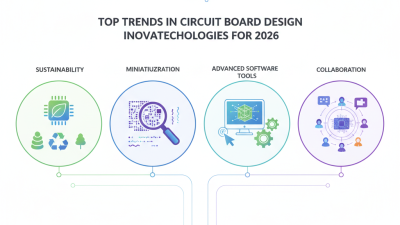
Future Trends in PCB Production Techniques for Performance Optimization
The landscape of PCB production is evolving rapidly.
Manufacturers are now adopting advanced techniques to enhance performance.
One area of focus is additive manufacturing.
This method allows for intricate designs that traditional processes cannot achieve.
It supports more complex circuits, reducing space and weight.
Another trend is the integration of IoT within PCB production.
Smart factories are becoming more common. These factories utilize
real-time data analytics to optimize production lines.
Predictive maintenance is a game changer, reducing downtime significantly.
However, the challenge lies in managing the vast amount of data generated.
Many companies must reflect on their strategies to harness such information effectively.
Sustainability is also gaining traction in PCB production.
Eco-friendly materials are being explored. Using recycled components could minimize waste.
Yet, there are still hurdles regarding material performance.
Balancing sustainability with optimal performance remains critical.
The industry is at a crossroads, exploring innovative methods that were once considered impractical.