What is PCB Prototype and Why is it Important for Buyers?
In today's fast-paced technology world, the importance of a PCB prototype cannot be overstated. A printed circuit board, or PCB, is essential for nearly all electronic devices. For manufacturers and engineers, developing a reliable PCB prototype is crucial. This initial version allows teams to test and refine their designs before full-scale production.
Buyers often overlook the significance of a PCB prototype. Yet, it plays a vital role in ensuring device functionality. Without it, errors can lead to costly delays and design flaws. Those investing in PCB prototypes need to recognize the potential for improvement. Each iteration helps identify issues and enhance performance.
Understanding the nuances of a PCB prototype can lead to better decisions. Companies need to consider factors like materials and design intricacies. While the process may have challenges, the payoff is worth it. Investing time and resources into a quality PCB prototype is an investment in success.
What is a PCB Prototype?
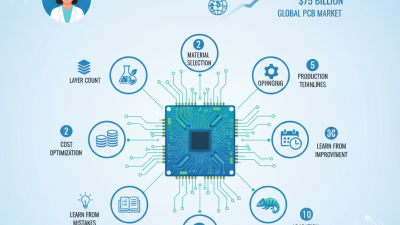
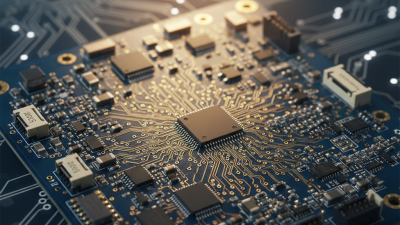
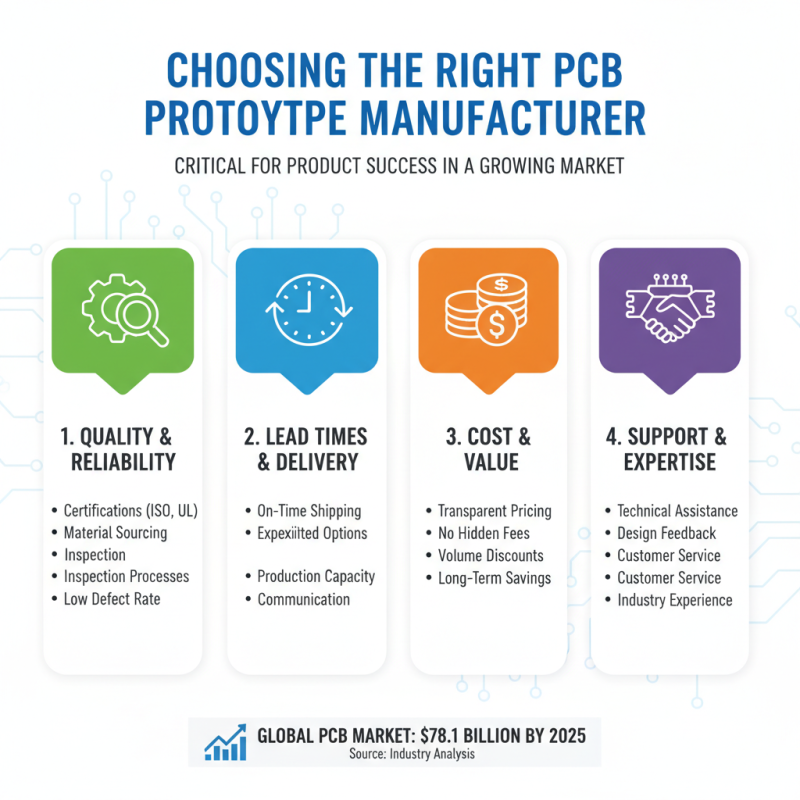
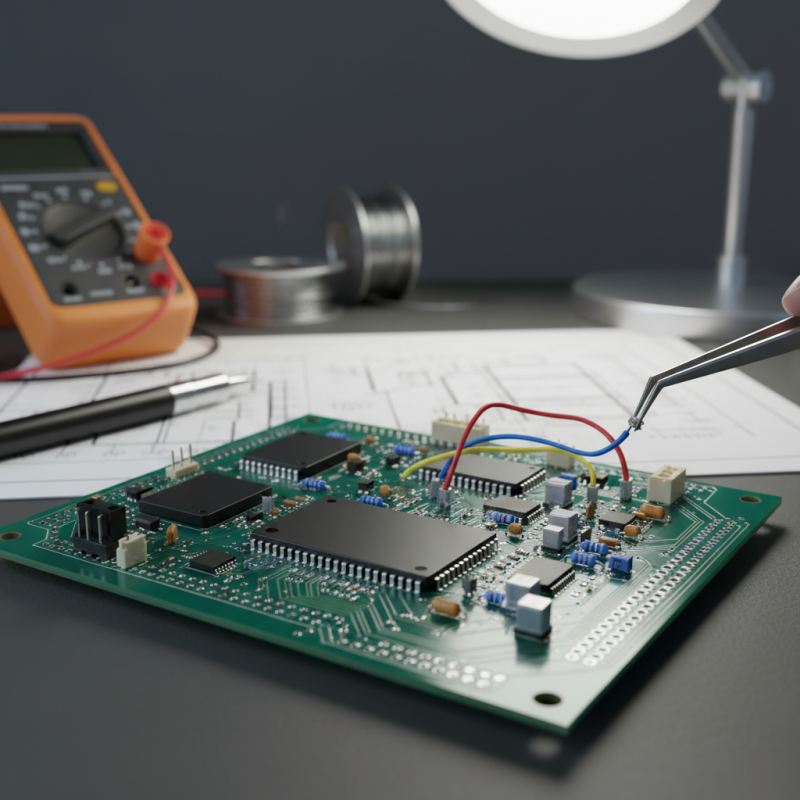
A PCB prototype is a preliminary version of a printed circuit board. It serves as a critical step in the design and manufacturing process. Prototypes facilitate testing and validation before mass production. According to a report by IPC, the global PCB market is projected to reach $82.8 billion by 2025, highlighting the demand for efficient prototyping.
Creating a PCB prototype allows engineers to identify design flaws early. This can save significant time and resources. In fact, studies show that 70% of design issues are found during prototyping. Quick iterations can lead to improvements in functionality and performance. However, overlooked mistakes in early versions can become costly later.
Choosing quality materials during prototyping is essential. Manufacturers often face challenges, such as balancing cost and quality. Lower-quality materials may perform poorly under stress. It’s crucial to weigh options carefully and conduct thorough testing. Each prototype offers insights that can refine final products. By embracing this process, buyers can ensure a more reliable outcome.
The Process of Creating PCB Prototypes
Creating PCB prototypes involves several critical steps. Initially, designers work on schematic diagrams. These diagrams represent the electronic circuits and components. The aim is to ensure functionality before moving forward. Prototyping also includes selecting the right materials and board thickness. This choice can significantly impact performance.
After the schematics are ready, the next step is layout design. Engineers arrange components on the PCB. They consider factors such as trace width and spacing. These details influence both electrical performance and manufacturability. The layout must avoid common pitfalls such as overcrowding, which can lead to signal interference.
Once the design is complete, the actual prototype is produced. This usually involves etching the design onto a board. During this phase, errors may emerge. Sometimes, the soldering process may not work as intended. These challenges require careful revision. Reflecting on these issues can lead to better design practices in future projects. A well-executed prototype is vital for validating concepts. It helps avoid costly mistakes in mass production.
Key Benefits of PCB Prototypes for Buyers
PCB prototypes play a crucial role in the design process of electronic products. They allow designers to test their circuits before full-scale production. This reduces the risk of costly mistakes. A prototype can reveal flaws that might not be evident on paper. Small errors can lead to bigger issues later, making prototypes invaluable.
One of the major benefits is cost-effectiveness. By identifying issues early, buyers save money on production costs. Fixing problems after mass production is often too late and very expensive. Prototypes also allow for quick adjustments and improvements in the design. Buyers can make informed decisions based on hands-on testing.
Understanding functionality is another key reason to utilize PCB prototypes. They provide a tactile way to assess design viability. Testing with a prototype clarifies how the final product will perform. Buyers gain insights that theoretical designs cannot offer alone. However, relying solely on prototypes might overlook some long-term testing. Balancing real-world testing with theoretical design is essential.
Common Applications of PCB Prototypes in Industries
PCB prototypes are crucial in various industries. They allow engineers to test designs before full-scale production. Rapid prototyping can significantly lower costs. According to a report from the IPC, 50% of electronics product failures are due to PCB design errors. This highlights the need for accurate prototypes.
In the automotive sector, PCB prototypes play a vital role. They are used in vehicle control systems, infotainment systems, and safety features. A study from ResearchAndMarkets shows that the global automotive PCB market is expected to reach $24 billion by 2028. This demand drives the importance of reliable PCB prototypes, ensuring safety and performance in vehicles.
In consumer electronics, prototypes help in developing product features. They validate design choices in products like smartphones and wearables. A survey from TechInsights noted that 70% of electronic companies prioritize prototyping for reducing time-to-market. This showcases the reliance on prototypes in maintaining a competitive edge. Yet, it poses challenges. Some designs may still not meet expectations, requiring multiple iterations.
Importance of PCB Prototypes in Various Industries