Why Choose an Electric Tricycle?
Choosing an Electric Tricycle can change how people move through busy streets, quiet neighborhoods, and local markets. Its three-wheel design offers noticeable stability during slow turns and frequent stops. That matters when carrying groceries, tools, or a small child safely. Many models also provide a lower seating position, wide tires, and simple step-through access. These details can make short trips feel less demanding.
An Electric Tricycle uses battery power to support pedaling or provide assisted movement. The motor can help riders climb moderate slopes and travel farther with less physical strain. Battery capacity, rider weight, road conditions, and weather all affect real-world range. Manufacturer figures are useful, but they may not match daily riding. A careful buyer should test comfort, braking response, charging time, and storage space before deciding. Small differences become obvious after several miles.
It is not perfect.
An electric tricycle is usually wider and heavier than a bicycle. Parking may require extra planning, especially in narrow buildings or crowded sidewalks. Some riders may also need time to adjust to turning and balancing the frame. Regular checks of tire pressure, brakes, lights, and battery connections improve reliability. Certified components and clear warranty support can reduce ownership concerns. Local riding requirements should also be confirmed before use.
The strongest reason to choose an Electric Tricycle is practical independence. It can support commuting, errands, mobility needs, and light commercial tasks. However, the right model depends on the rider, route, budget, and maintenance expectations. Comfort and safe handling deserve more attention than appearance alone.
Defining Electric Tricycles: Three Wheels, Battery Power, and Assisted Mobility
Why Choose an Electric Tricycle?
Defining Electric Tricycles: Three Wheels, Battery Power, and Assisted Mobility
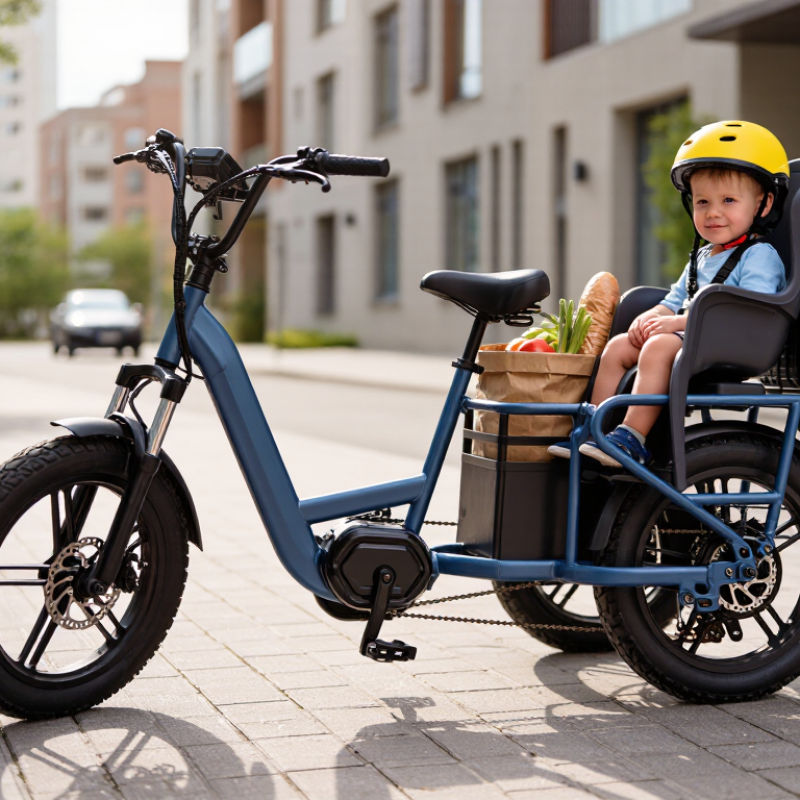
An electric tricycle has three wheels, a rechargeable battery, and an electric motor. This structure offers more balance than a standard bicycle. Riders can keep both feet near the ground when stopping. That detail matters on uneven paths, crowded streets, or steep driveways.
The motor provides assisted movement rather than replacing every physical effort. A handlebar control usually adjusts the support level. On a flat road, gentle assistance can make a heavy basket feel manageable. A stronger setting may help on a hill, but it uses more battery power. Charging time depends on battery size, temperature, and the charger’s condition.
The design also supports practical daily travel. A rear basket can carry groceries, tools, or a small bag. A low step-through frame may help riders with limited flexibility. Three wheels do not make every situation safe. Sharp turns, wet surfaces, and loose gravel still require attention. I find this easy to overlook during a short test ride. Real confidence develops after checking brakes, tire pressure, steering response, and battery range over several trips. The tricycle may feel stable at low speed, yet its wider rear section needs extra space near doorways and parked cars. Controls should remain clear and reachable, especially when the rider wears gloves or travels at dusk.
Understanding Efficiency: DOE Reports 77–82% Grid-to-Wheel EV Efficiency
Why Choose an Electric Tricycle?
Understanding Efficiency: DOE Reports 77–82% Grid-to-Wheel EV Efficiency
An electric tricycle makes energy visible. A quiet motor moves a loaded box with little wasted heat. The U.S. Department of Energy’s Alternative Fuels Data Center reports 77–82% grid-to-wheel efficiency for electric vehicles. That measures energy leaving the grid and reaching the wheels. Conventional gasoline vehicles typically deliver only 12–30%, according to the same DOE comparison. For short urban deliveries, this difference can mean fewer energy losses, steadier operating costs, and less heat beside the rider. The number is impressive. It is not magic.
Tips: Check watt-hours per mile, payload, tire pressure, and route slope before buying. Record electricity used at the charger, not only battery percentage. Compare results across several weeks. A 500-watt-hour battery does not guarantee 500 useful watt-hours. Cold temperatures, hills, accessories, and charging losses intervene. Small details matter.
The International Energy Agency’s Global EV Outlook 2024 highlights expanding electric two- and three-wheeler use. Growth is strongest where travel is dense and distances are modest. An electric tricycle fits that pattern, but efficiency still depends on its daily duty cycle. Frequent stops can favor regenerative braking. Heavy cargo and steep streets work against it. DOE’s 77–82% figure is a controlled, vehicle-level reference, not a promise for every route. That distinction deserves honesty. Real-world measurements may look less tidy—and more useful.
Classifying Power and Speed: EU EPAC Rules Set 250 W and 25 km/h Limits
Why Choose an Electric Tricycle?
An electric tricycle offers steady support for commuting, shopping, and short cargo trips. Its three-wheel layout can feel reassuring when carrying groceries or riding slowly. EU EPAC rules are central to choosing the right model. A compliant pedal-assisted cycle generally uses a motor with a maximum continuous rated power of 250 W. Assistance must progressively reduce and stop before the bicycle reaches 25 km/h. The rider must keep pedaling.
The 250 W figure needs careful interpretation. It describes continuous rated power, not every brief electrical peak. Also, 25 km/h is the assistance cutoff, not necessarily the tricycle’s total downhill speed. This distinction matters during test rides. A tricycle may feel powerful from a standstill, yet remain within the EPAC category when its assistance behaves correctly. Technical documents should confirm these details. Unfortunately, some product descriptions remain vague. That is worth questioning.
Tips: Check the motor’s continuous rating, assistance cutoff, pedal sensor, brakes, lighting, and load capacity. Test it on a narrow turn and a mild slope. Notice whether steering feels natural. Local registration, equipment, and riding rules may differ, so verify current requirements before regular road use. A professional dealer or qualified technician can inspect the control system and braking performance. Small mistakes in specification reading can create expensive surprises.
Evaluating Uses: Cargo Transport, Mobility Support, and Urban Delivery
An electric tricycle becomes useful when its design matches the job, not merely when its battery is large. For cargo transport, a low center of gravity, stable rear platform, and secure load frame matter every day. A 60-kilogram load can change steering, braking distance, and hill performance. Test it.
Keep heavy items low and close to the axle. Rain covers protect goods, but they can also catch crosswinds. That detail is easy to miss. For mobility support, step-through access, predictable controls, and a comfortable seat may matter more than speed. Wide tires can improve confidence on uneven pavement, although they may increase rolling resistance. Mirrors, a bright headlamp, a parking brake, and a clear battery indicator support safer routine trips. Practice before loading. The vehicle may feel stable at rest, but sharp bends still require careful speed control.
Urban delivery adds another layer. Riders need a turning radius suited to narrow streets, manageable width, and charging access near the route. Frequent stops make battery range less predictable than advertised. Cold weather, hills, payload, and repeated acceleration reduce usable distance. Range can disappoint. Leave a generous reserve, even if that means fewer deliveries. Local road requirements and load limits also deserve checking before regular use. That choice may feel inefficient, but it prevents rushed decisions when the route changes.
Choosing Safely: Compare Range, Payload, Brakes, Battery, and Certification
Why Choose an Electric Tricycle?
Choosing Safely: Compare Range, Payload, Brakes, Battery, and Certification
An electric tricycle can make daily transport steadier, especially with groceries or tools. Safety starts with realistic measurements, not attractive estimates. Check the tested range under useful conditions, including hills, cold weather, rider weight, and frequent stops. A claimed distance may shrink quickly with heavy cargo. Leave a practical reserve.
Payload includes the rider, battery, accessories, and every item in the basket. Weigh your usual load. Then compare it with the manufacturer’s stated limit. Overloading can affect steering, frame stability, and stopping distance.
Brakes deserve a hands-on check. Test both levers at low speed, and notice whether the tricycle stops straight without pulling sideways. Mechanical systems may need regular adjustment; hydraulic systems still require inspection.
Battery quality matters beyond capacity. Look for clear information about cell specifications, charging time, protection systems, replacement procedures, and safe storage temperatures. Never rely on a vague “long-life” claim.
Certification should also be verified through official documents, not a printed badge alone. Requirements differ by country and vehicle category, so confirm the relevant local standard before purchase.
I would also inspect the charger, wiring, tire condition, and lights in person. Small details are easy to dismiss. I once focused too much on range and overlooked turning space in a narrow garage. That mistake changed my checklist.
A short test ride with the intended load can reveal more than a showroom conversation.