What Is U Channel and Its Benefits for Global Buyers?
U Channel plays an essential role in many industrial applications. This versatile product is a type of metal channel that is widely used in construction and manufacturing. It offers strength and stability, making it an ideal choice for various structural needs. Global buyers benefit significantly from sourcing U Channel due to its cost-effectiveness and wide availability.
Many manufacturers provide U Channel with different specifications. This allows buyers to choose the right type for their projects. The flexibility in design and application is a key advantage. However, some buyers may face challenges in understanding the specific requirements. It is crucial to assess the quality and reliability of suppliers to ensure optimal outcomes. The right U Channel can enhance structural integrity significantly.
Choosing the appropriate U Channel can sometimes be overwhelming. It's important to evaluate the source and quality of materials. Taking time to research and verify supplier credentials can prevent future issues. Engaging with knowledgeable experts can provide valuable insights. Understanding these dynamics is essential for making informed purchasing decisions.
What Is a U Channel?
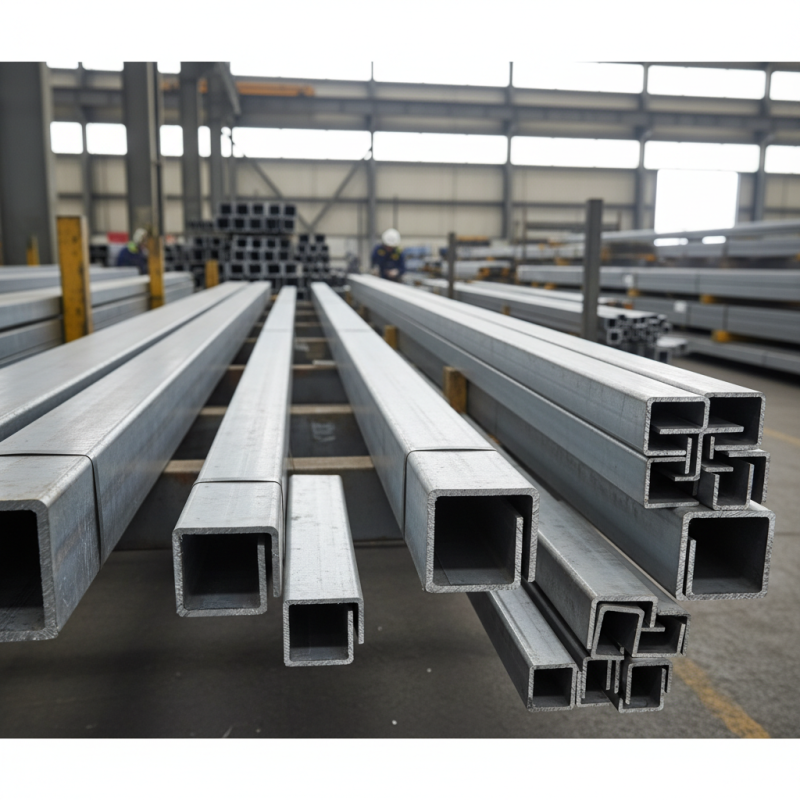
U Channel is a versatile structural component widely used in construction and manufacturing. Its unique shape resembles the letter “U”, providing significant strength and support. The channel's design offers enhanced load-bearing capabilities, making it suitable for various applications, from frameworks to HVAC systems.
According to industry reports, the global market for channel steel, including U Channels, was valued at approximately $89.3 billion in 2022. Analysts project steady growth, driven by increased infrastructure spending and housing projects. The demand for U Channels is notably high in sectors such as automotive and construction, where durability and stability are paramount.
U Channels not only provide structural advantages but also facilitate easy installation. Their lightweight nature contributes to reduced labor costs. However, there can be challenges related to corrosion, especially in harsh environments. Addressing these issues requires careful material selection and protective coatings. As more global buyers recognize the benefits of U Channels, understanding their specifications and applications becomes essential for making informed purchasing decisions.
Characteristics and Specifications of U Channels
U channels are versatile structural components widely used in construction and manufacturing. They have distinct characteristics, making them invaluable for various applications. Typically made of steel, aluminum, or other materials, U channels feature a U-shaped cross-section. This design provides immense strength while remaining lightweight, making them suitable for both large and small projects.
In terms of specifications, U channels come in various sizes and thicknesses. The dimensions can vary significantly, with common widths ranging from 1 inch to over 5 inches. The thickness usually varies between 0.25 inches and 0.75 inches. Buyers benefit from this range, allowing customization to fit specific needs. The finish can also differ, with options for painted, galvanized, or mill finish. Each variant serves different environmental requirements, enhancing their durability.
Moreover, U channels' ease of installation is noteworthy. They can be quickly assembled with screws or bolts, minimizing labor time. However, the choice of material is crucial. Selecting the wrong type can lead to weaknesses in the structure, undermining potential benefits. Hence, understanding U channel specifications is essential for buyers aiming for durability and performance. Making informed decisions can lead to greater satisfaction in construction projects.
Applications of U Channels in Various Industries
U channels have a significant role in various industries due to their versatility and strength. These metal channels are used primarily in construction, manufacturing, and transportation. One key application is in structural frameworks. In construction, U channels provide essential support for buildings and other structures. According to a report by the Global Construction Market, the demand for structural materials, including U channels, is set to grow by 4% annually.
Another vital application is in manufacturing. U channels serve as guides and supports for machinery. They ensure smooth operations and stability in production lines. An industry analysis from the Manufacturing Outlook highlights that 65% of manufacturers consider using U channels in their operations for enhanced efficiency.
In transportation, U channels are used in equipment and vehicle frames. Their lightweight nature provides strength without adding excessive weight. Transportation reports suggest that frameworks built with U channels can improve fuel efficiency by 15%. Despite these benefits, some manufacturers face challenges in sourcing quality U channels. Ensuring the right specifications and quality standards is crucial for optimal performance. This reflects the need for buyers to invest time in vendor selection.
What Is U Channel and Its Benefits for Global Buyers? - Applications of U Channels in Various Industries
| Industry | Application | Benefits | Materials Used |
| Construction | Structural Support | High stability and strength | Steel, Aluminum |
| Automotive | Framework Components | Lightweight, corrosion resistance | Aluminum, Stainless Steel |
| Electrical | Cable Management | Safe and organized wiring | PVC, Steel |
| Manufacturing | Bench Supports | Durability and load-bearing capacity | Carbon Steel, Alloy Steel |
| Transportation | Railway Track Supports | Long-lasting and reliable | Alloy Steel, Recycled Materials |
Benefits of U Channels for Global Buyers
U Channels are increasingly popular in construction and manufacturing. These structural elements provide versatility and strength for various applications. For global buyers, understanding the benefits of U Channels can enhance procurement strategies.
One key advantage is their lightweight nature. U Channels often reduce shipping costs. Reports indicate that lightweight materials can lower transport expenses by 15% to 20%. This cost efficiency is vital for global buyers aiming to maximize their budgets. Furthermore, thanks to their design, U Channels offer superior resistance to bending and warping. This durability ensures that products maintain their integrity over time, reducing the need for replacements.
Another benefit lies in their ease of installation. U Channels simplify the assembly process, allowing for quicker project timelines. A study from the Construction Industry Institute highlighted that efficient installations can shorten project durations by up to 30%. For global buyers, this translates into faster delivery and enhanced operational efficiency, ultimately leading to a more competitive edge. However, buyers must also reflect on quality assurance. The reliability of these channels varies across suppliers, necessitating thorough vetting.
Guidelines for Choosing the Right U Channel
When selecting the right U channel, it's important to consider several factors that affect both functionality and cost. Material choice significantly impacts durability and weight. Aluminum channels are lightweight and resistant to corrosion, while steel offers strength and rigidity. Assessing the environment where the channel will be used is critical. Is it exposed to moisture or extreme temperatures? This will dictate the best material choice for your needs.
Dimensions matter just as much. Ensure you have precise measurements for width and height. Incorrect sizing can lead to installation issues. The thickness of the material also plays a role in the channel’s load-bearing capacity. Be cautious, as a very thin U channel may not provide the support required for heavy loads. Review the specifications provided by suppliers carefully.
Quality standards should not be overlooked. Look for U channels that meet industry regulations. When unsure, contact manufacturers for documentation. This step can prevent future disputes and ensure reliability. A common mistake buyers make is focusing solely on price rather than quality. Always weigh the benefits against potential long-term costs.