2026 Top Wi-Fi HaLow Devices for Global Buyers?
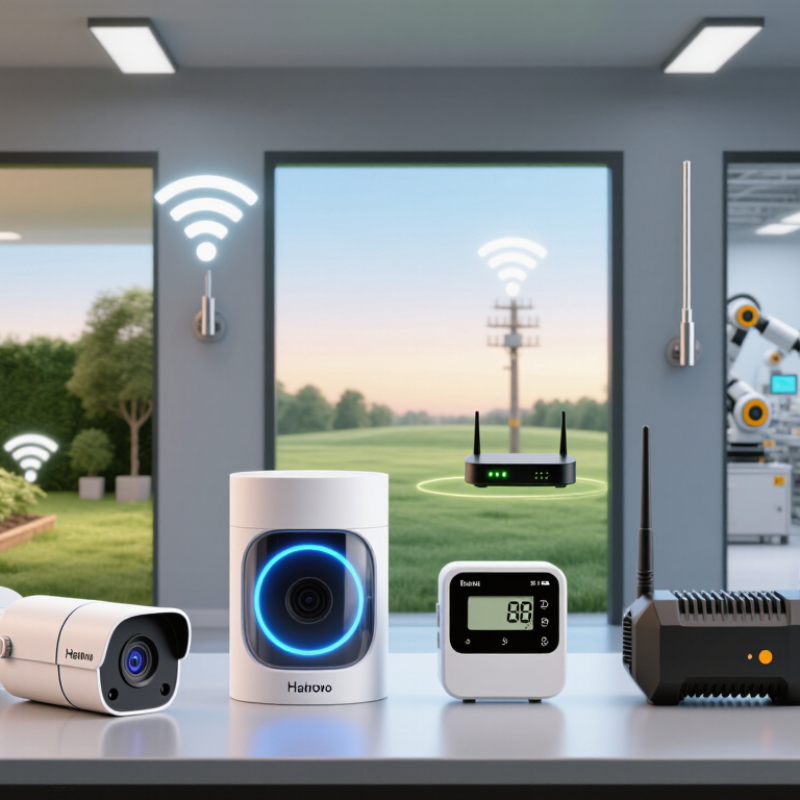
Choosing a Wi-Fi HaLow device in 2026 is less about chasing the longest advertised range and more about matching the radio to a real deployment. Wi-Fi HaLow uses sub-GHz spectrum and is designed to connect devices across greater distances while using less power than conventional Wi-Fi. Its data rates are generally more modest, making it a practical option for many sensors, meters, cameras, and agricultural systems. Walls, antenna placement, interference, and network design can all affect actual performance. Specifications are not field tests.
This guide introduces device categories and selection factors that matter to global buyers, including supported frequency bands, gateway compatibility, software support, and regional availability. A product suited to one market may not be available or permitted for use in another. Check manufacturer documentation and applicable regional requirements before purchasing. That detail is easy to miss. The comparisons should be treated as a starting point, not a substitute for testing devices in the intended environment. Range claims can also be difficult to compare when manufacturers use different conditions. A modest but reliable connection may serve a deployment better than an impressive number on a product page. There is no universal winner; the right choice depends on coverage needs, power constraints, and the wider network.
Understanding Wi-Fi HaLow and Its Device Categories
Understanding Wi-Fi HaLow and Its Device Categories
Wi-Fi HaLow uses the IEEE 802.11ah standard and operates in sub-GHz frequency bands. Compared with conventional Wi-Fi, it can support longer links and low-power connections for small data packets. Range is not magic. Walls, antenna position, and local radio conditions still matter. Data rates are generally lower, so HaLow is better suited to sensor readings than continuous high-resolution video.
Tips: Check which frequency band and regional configuration a device supports before buying. A gateway near a central hallway may connect sensors across several rooms, but thick concrete can weaken the signal. Test coverage at the intended installation points. That matters.
HaLow devices usually fall into three categories: end devices, gateways, and access points or bridges. End devices include meters, environmental sensors, and simple control units. Gateways collect their messages and pass data to another network or application. Some cameras may send occasional images or alerts, but buyers should verify performance needs rather than assume every camera use case fits. Look for published range-test conditions, supported security features, firmware-update details, and clear interoperability information. Specifications help, though real buildings can be stubbornly different from test sites.
Comparing Range, Data Rates, Power Use, and Compatibility
Wi-Fi HaLow devices suit sensors and equipment that need broader coverage than conventional Wi-Fi often provides. Their sub-GHz signals can travel through walls and across larger sites, but building materials, antenna placement, and interference still affect real results. Range is not everything. A sensor mounted behind a metal cabinet may perform worse than one farther away with a clear path.
Compare data rates against the job, not just the specification sheet. A temperature sensor may send only a few bytes, while a camera or firmware update needs substantially more capacity. Higher rates can reduce transfer time, yet may increase energy use. Battery life also depends on reporting intervals, sleep settings, signal strength, and retransmissions. Test devices with the actual message size and schedule.
Compatibility deserves equal attention. HaLow equipment typically needs a compatible access point or gateway; ordinary Wi-Fi clients cannot automatically join its network. Check supported frequency bands and regional channel settings before purchasing, since availability differs between markets. Also confirm whether the device integrates with your existing software and security setup. Bench tests help, but a small pilot across different rooms can reveal dead zones and setup friction. Real buildings are rarely tidy.
Types of Leading Wi-Fi HaLow Devices in 2026
Leading Wi-Fi HaLow devices in 2026 include access points, gateways, sensor nodes, and embedded radio modules. Access points connect HaLow devices to a local network, while gateways can bridge sensor traffic to Ethernet or cellular backhaul. Their value depends on the installation, not just the specification sheet.
Sensor nodes suit practical tasks such as checking a greenhouse’s temperature or monitoring a distant water meter. Battery life varies with reporting frequency, signal conditions, and device design. Embedded modules let manufacturers add HaLow connectivity to equipment without designing a radio from scratch. Still, these categories overlap, and product descriptions do not always make that clear.
Check antenna options, security support, network capacity, and management tools before comparing devices. A range claim alone is weak evidence. Walls, metal cabinets, and antenna placement can change real coverage, so a site test matters. For global buyers, confirm that the device’s operating frequencies and certifications match the intended market. A useful shortlist may be less tidy than expected. That is worth questioning.
Checking Regional Bands, Certifications, and Network Support
2026 Top Wi-Fi HaLow Devices for Global Buyers?
Checking Regional Bands, Certifications, and Network Support
Wi-Fi HaLow devices are not automatically global products; supported bands vary by region. A unit that works in one market may be unsuitable elsewhere. Check the exact model variant, frequency range, channel plan, and transmit power in its technical documents. Small details matter. Confirm required approvals with the relevant local authority before importing or installing equipment.
Certification is only part of the check. Make sure the device can connect to your intended HaLow access point or gateway, and verify supported security settings, firmware features, and management tools. For a warehouse test, compare the device’s regional configuration with the gateway’s settings, then check coverage behind metal shelving and through exterior walls. Published range figures may not match a busy site. That is worth testing.
Tips: Ask the supplier for region-specific documentation and a written list of compatible gateways. Test a sample unit with your actual network, rather than relying only on a specification sheet. Keep records of the tested firmware and settings.
Matching a Wi-Fi HaLow Device to Your Deployment Needs
2026 Top Wi-Fi HaLow Devices for Global Buyers?
Matching a Wi-Fi HaLow Device to Your Deployment Needs
Start with the site, not the product sheet. A battery sensor in a metal utility cabinet needs a different radio and antenna from a meter mounted outdoors. IoT Analytics estimated 18.8 billion connected IoT devices worldwide in 2024, increasing pressure on networks to connect many devices efficiently. Your own deployment may be much smaller. That matters.
The Wi-Fi Alliance describes HaLow as a sub-1 GHz technology designed for long-range, low-power connectivity, with potential coverage beyond one kilometre and support for thousands of devices per access point. Treat those figures as best-case guidance, not a site guarantee. Walls, antenna placement, interference, and traffic patterns all affect real performance. Test with the actual enclosure and mounting position.
For a wide sensor network, compare devices by standby power, sleep and wake behavior, antenna options, and management tools. For cameras or frequent firmware updates, check throughput and coverage at the edge of the site. Global buyers should also confirm that each device supports the appropriate local sub-GHz channels and power limits. The detail matters. I would leave room in the pilot plan for a surprise or two; radio tests can be humbling.
2026 Top Wi-Fi HaLow Devices for Global Buyers? Matching a Wi-Fi HaLow Device to Your Deployment Needs
Wi-Fi HaLow (IEEE 802.11ah) defines channel widths from 1 to 16 MHz. Narrower channels are suited to lower-throughput sensor links; wider channels can support higher data rates where local regulations and device capabilities allow.
Channel-width options shown are defined by the Wi-Fi HaLow standard. Actual availability depends on regional spectrum rules and the device.