Top Recessed Light Options for Your Home Renovation Needs?
Recessed Lighting is becoming a popular choice for modern homes. Homeowners appreciate its clean, unobtrusive look. According to Jane Smith, a lighting design expert, "Recessed lights can transform any space when used correctly." This statement highlights the potential of recessed lights to enhance both aesthetics and functionality.
During home renovations, choosing the right recessed light is crucial. It is not just about installation; the right choice needs careful planning. Factors like bulb type, beam angle, and spacing must be considered. Homeowners often overlook these details, leading to disappointing results.
When properly implemented, recessed lights can create a warm, inviting atmosphere. However, improper placement may result in dark spots or a lack of focal points. Homeowners should reflect on their needs and space to avoid common pitfalls. Balancing design and function in recessed lighting is key to achieving the desired ambiance.
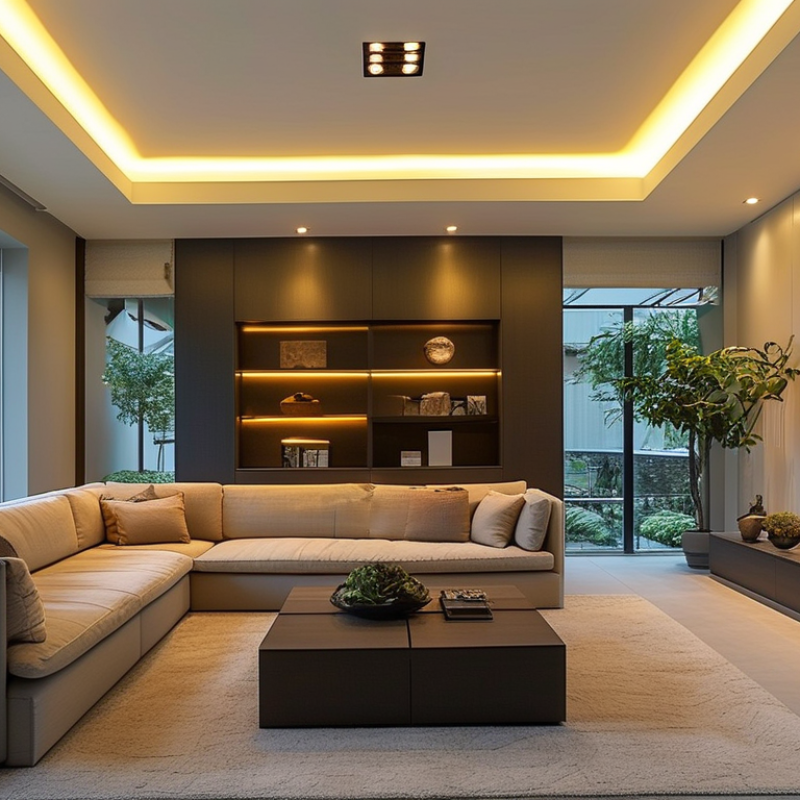
Types of Recessed Lights for Different Room Aesthetics
Recessed lighting can transform the aesthetics of any room. Different types offer unique effects based on the space's function. For instance, warm white recessed lights create a cozy atmosphere in living rooms. In contrast, cooler lights work well in bathrooms, promoting clarity and cleanliness.
Consider the placement of your fixtures. In a kitchen, multiple recessed lights focused on prep areas enhance visibility and functionality. In bedrooms, a softer glow can create a relaxed environment, perfect for unwinding after a long day. A challenge here is ensuring a balanced layout; too many lights can create an overwhelming effect.
Different bulbs, like LED or halogen, also impact the room's feel. While LED lights are energy-efficient and long-lasting, halogen provides warmer tones. However, halogens get hot, which raises safety concerns. It's crucial to weigh aesthetics against practicality when choosing your lighting solution.
Key Features to Consider When Choosing Recessed Lighting
When considering recessed lighting for your home renovation, several key features come into play. The placement and spacing of fixtures influence both functionality and aesthetics. According to the American Lighting Association, optimal spacing is often between 4 to 6 feet apart for general illumination. However, this can vary based on room size and ceiling height. Always assess your specific needs before installation.
Another vital aspect involves the color temperature of the bulbs. A report from the Lighting Research Center indicates that warmer tones (2700K to 3000K) create a cozy atmosphere, while cooler tones (3500K to 4000K) enhance focus and visibility. Choosing the right tone can significantly affect how your space feels. Ensure to test a few samples before committing to a full installation.
Dimming capabilities add another layer of flexibility. Studies show that dimmable recessed lights can save up to 20% on energy costs. This not only benefits your wallet but also enhances mood settings for different occasions. Consider how often you will use dimming features when making your decision. Balancing aesthetics and practicality is crucial for achieving the best results in your home.
Energy Efficiency Ratings of Popular Recessed Light Options
When considering recessed lighting for your home, energy efficiency is a key factor. Many options on the market come with varying energy efficiency ratings. LED lights often top the list due to their low energy consumption and long lifespan. In contrast, traditional incandescent bulbs consume more energy, which can lead to higher electricity bills over time.
It's essential to check the lumens-to-watts ratio when selecting recessed lights. A higher ratio indicates better energy efficiency. For example, a 10-watt LED can produce the same brightness as a 60-watt incandescent bulb. This fundamental understanding can help you make informed decisions during your renovation.
Consider the layout of your lighting as well. Incorrect placement can waste energy and diminish the overall effectiveness of your lighting design. Ensure you assess the purpose of each room and the natural light it receives. Keep in mind that not all areas require bright lighting, which can lead to additional energy costs. Always reflect on your choices to strike a balance between aesthetics and functionality.
Installation Tips for a Successful Recessed Lighting Setup
Installing recessed lighting can transform your space while providing ample illumination. However, getting it right requires careful planning. Start by considering the layout of your room. Measure the height and dimensions to determine how many lights you need. Generally, a spacing of 4 to 6 feet apart works well in most rooms.
One common mistake is not accounting for the size of the trim. Larger trims can affect the overall light spread. Choose the trim that complements the aesthetics of your space while ensuring it suits the light's design. Don’t forget to think about bulb choices, as they influence both brightness and ambiance.
Proper installation is crucial. If you're retrofitting, check for ceiling joists, as they influence placement. Ensure you have enough clearance for the housing units. Mistakes in positioning can lead to uneven lighting and shadows. Consider consulting a professional for guidance. Remember that trial and error can occur, so be prepared to make adjustments as needed.
Comparing Costs of Top Recessed Light Brands and Models
When considering recessed lighting for your home renovation, the costs can vary significantly. Factors include the brand, installation fees, and the type of fixtures. Some models come with advanced features, while others focus on basic functions. Prices can range from budget-friendly options to high-end selections.
Installation costs should not be overlooked. Hiring a professional can add to the overall price but ensures safety and quality work. A DIY approach can save money, but it might lead to mistakes. Mistakes often result in unexpected expenses later on. Choosing energy-efficient models may reduce long-term costs, but the initial investment might be higher.
Making an informed choice requires comparing features and reviews. Look for models that have a proven track record of durability and efficiency. Researching and understanding the nuances of each option can take time. However, this effort ensures your investment will enhance your home effectively. Remember, lighting can significantly impact your space's mood and functionality.