Top Printed Circuit Board Assembly Suppliers?

Choosing the right printed circuit board assembly supplier can shape a product’s cost, reliability, and launch schedule. A polished website is not enough. Buyers should examine engineering depth, production controls, communication, and proven delivery performance. This guide compares leading suppliers through practical criteria used in real sourcing decisions.

A capable supplier should explain its SMT lines, inspection methods, component traceability, and testing options clearly. Look for equipment such as automated optical inspection, X-ray inspection, and in-circuit testing. Certifications can support credibility, but they do not replace consistent results. Ask for sample quality reports, process tolerances, and references from comparable projects. Useful suppliers also identify risks before production begins, including obsolete components, tight footprints, and unclear assembly drawings.

Details matter.

Pricing deserves careful review. A low quote may exclude tooling, testing, programming, or shipping. A higher quote may reflect stronger controls and better technical support. Still, expensive does not always mean excellent. That is an important limitation. Supplier rankings can also change by region, volume, industry, and product complexity. Medical, automotive, aerospace, and consumer electronics projects require different evidence and oversight. The following outline evaluates respected companies with a balanced approach, combining public information with practical purchasing concerns. It considers prototype support, manufacturing capacity, quality assurance, lead times, customization, and after-sales communication. Readers should verify current certifications and capabilities directly, because supplier information can change.
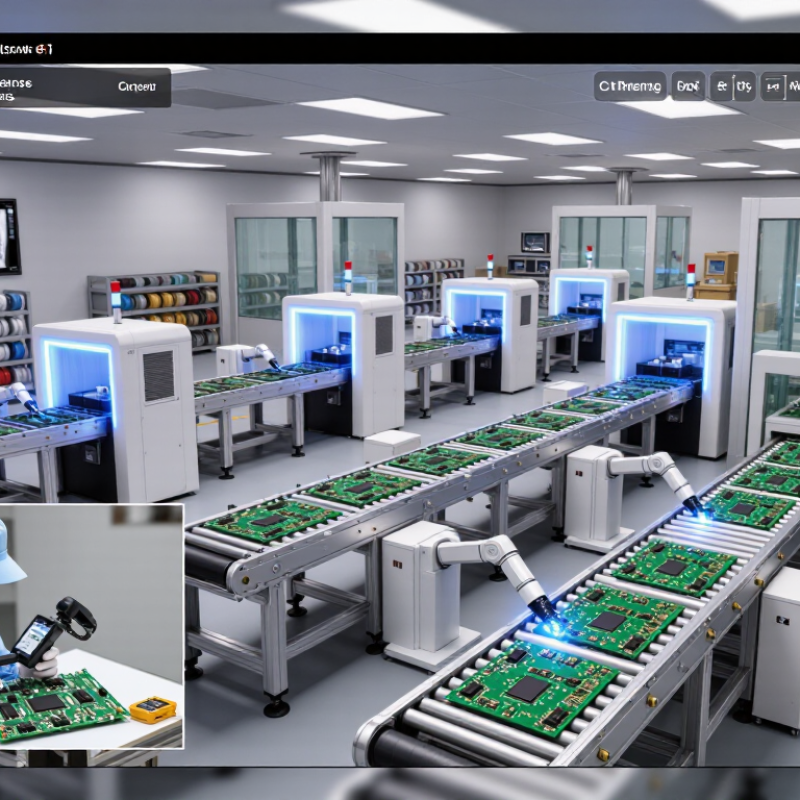
Top Printed Circuit Board Assembly Suppliers?

What a Printed Circuit Board Assembly Supplier Does

A printed circuit board assembly supplier turns a design package into a tested electronic assembly. The work starts with reviewing schematics, component lists, board files, and production notes. Engineers check land patterns, clearances, tolerances, and parts that may cause assembly delays. They often suggest design changes before fabrication. Small changes matter. A better pad shape can reduce solder defects and improve long-term reliability. Experienced teams also confirm approved alternatives when components become unavailable. These decisions should be documented, not hidden inside a quick email.

During production, the supplier purchases parts, manages moisture-sensitive devices, and controls storage conditions. Automated surface-mount placement handles tiny components, while through-hole assembly supports larger or stressed parts. Operators inspect solder joints using optical systems and, when needed, X-ray equipment. Electrical testing may include continuity checks, programming, functional tests, and simulated operating conditions. Traceability links materials, machine settings, inspection records, and operator actions to each lot. That record is valuable. It helps identify recurring faults instead of blaming the board after shipment.

A reliable supplier communicates clearly about yield, lead time, tooling, packaging, and shipping risks. It protects boards with suitable trays, moisture barriers, labels, and handling procedures. The best partnership includes engineering feedback, not only a low unit price. Still, no supplier gets every judgment right. An urgent schedule can encourage weak assumptions. Customers should question unclear test coverage and request sample inspection data. In practice, polished reports can miss a simple connector issue. That possibility keeps experienced teams reviewing details manually.


How to Define Your PCB Assembly Requirements

Top Printed Circuit Board Assembly Suppliers?
How to Define Your PCB Assembly Requirements

A supplier can only quote accurately when your requirements are measurable. Start with the board’s layer count, dimensions, material, copper weight, and controlled impedance needs. Define component packages, minimum pitch, lead-free expectations, and approved alternatives. Fortune Business Insights estimated the global PCB market at about USD 83 billion in 2024, showing how varied production demands have become. “Standard PCB” is rarely specific enough.

Your assembly brief should include the bill of materials, centroid file, Gerber data, assembly drawings, and test requirements. State the expected annual volume, prototype quantity, delivery window, and acceptable defect limits. IPC workmanship standards can help define solder quality and inspection criteria. Add whether the supplier must provide automated optical inspection, X-ray inspection, flying-probe testing, or functional testing. These details affect tooling, labor, and price.

I have seen projects delayed by one missing tolerance. A connector height, moisture rating, or substitute component can change the entire build plan. The Semiconductor Industry Association reported that global semiconductor sales reached approximately USD 627.6 billion in 2024; component availability therefore deserves early attention. Ask suppliers to identify lifecycle risks, counterfeit-prevention controls, traceability methods, and revision management. A shared risk register is useful. It is not perfect. Cost estimates can still shift when packaging, test coverage, or material availability changes.

Key Criteria for Comparing PCB Assembly Suppliers

Top Printed Circuit Board Assembly Suppliers?

Key Criteria for Comparing PCB Assembly Suppliers

Choosing a PCB assembly supplier requires more than comparing hourly rates. Assess process capability against your actual board design. Ask about fine-pitch placement, solder profiles, inspection coverage, and rework limits. A capable supplier explains DFM feedback with marked-up files, not vague promises. Request a pilot build using your real components. Small evidence matters.

Quality evidence should be traceable. Review incoming inspection, lot tracking, calibration records, and corrective-action reports. Look for automated optical inspection, X-ray access, and documented operator training. Ask which workmanship standard guides acceptance, such as IPC-A-610, and how exceptions are recorded. A clean certificate folder is not proof of consistent production. Inspect sample records and speak with the quality engineer. That step is often skipped.

Compare total risk, not only quoted price. Check component sourcing controls, approved substitutions, lead-time assumptions, and capacity during demand spikes. Your contact should provide realistic dates and report shortages early. Communication speed matters when a connector fails inspection at 6 p.m. No supplier is perfect. Evaluators can also overvalue polished presentations and overlook weak follow-up. Record unanswered questions, visible process gaps, and improvement commitments beside each supplier’s strengths. A factory visit or live video walkthrough may reveal more than a sales meeting.

Major Types of PCB Assembly Suppliers and Their Strengths

Top Printed Circuit Board Assembly Suppliers?

Major Types of PCB Assembly Suppliers and Their Strengths

Contract electronics manufacturers suit companies needing scalable production without building a factory. Their strengths include automated surface-mount lines, optical inspection, and established supply networks. A 2024 EMS market report from Research and Markets estimates continued growth in outsourced electronics manufacturing through 2030. This supports the shift toward flexible production partnerships. Yet scale alone does not guarantee careful engineering support.

Specialist PCB assembly houses focus on prototypes, low-volume orders, and complex boards. They often provide faster design-for-manufacturing feedback and closer communication with engineers. IPC’s 2024 Electronics Industry Survey highlights ongoing supply-chain pressure and uneven component availability. Smaller specialists may respond faster when substitutions or layout changes become necessary. Their weakness is limited capacity during sudden demand spikes. That trade-off matters.

High-volume regional suppliers emphasize cost control, repeatability, and global logistics. They are effective for mature products with stable bills of materials and predictable forecasts. The Global Electronics Association reported continued inventory and lead-time concerns across electronics manufacturing in 2024. Suppliers with local sourcing teams can reduce some disruption, though not every component has an easy replacement. In practice, supplier selection should examine first-article records, defect data, traceability, and escalation procedures. A polished factory tour can still hide weak documentation. I have seen low quotes become expensive after rework, delays, and unclear ownership. Cost is only one measurement.

How to Assess Quality, Cost, and Delivery Performance

Top Printed Circuit Board Assembly Suppliers? Assess Quality, Cost, and Delivery Performance

Quality assessment should begin with evidence, not polished presentations. Ask for first-pass yield, defect-per-million-opportunities data, corrective-action records, and lot-level traceability. IPC-A-610 and J-STD-001 provide useful acceptance and soldering benchmarks. However, compliance alone does not prove stable production. Request recent inspection images, AOI coverage, X-ray results, and sample audit trails. IPC’s 2024 electronics industry surveys continued to identify skilled-labor and material-cost pressure across manufacturing.

Cost comparisons require more than the quoted unit price. Include engineering charges, tooling, programming, test fixtures, component substitutions, freight, and expedited orders. A cheaper quotation can become expensive after one missing resistor delays shipment. Use a landed-cost model across several production volumes. Review scrap assumptions carefully. They are often optimistic.

Delivery performance should be measured through on-time, in-full delivery and lead-time variation. Ask for twelve months of actual data, not only a promised schedule. The World Bank’s 2023 Logistics Performance Index reported a global average logistics score of 2.5 out of 5, showing why transport planning matters. Reserve capacity for critical builds, confirm approved alternates, and set escalation rules before production starts. No scorecard is perfect. Forecasts can still fail, especially during shortages. A quarterly supplier review should challenge the numbers, not merely archive them.

Wordpress Social Share Plugin powered by Ultimatelysocial
Facebook
X (Twitter)
YouTube
LinkedIn
Share

Purchase Product Request

Request Pricing