Top 5 Portable Power Stations You Should Consider Today?
As outdoor activities become increasingly popular, the need for reliable power sources is crucial. Portable Power Stations (PPS) have emerged as essential gadgets for campers, travelers, and emergency preparedness enthusiasts. Industry reports indicate that the global portable power station market is projected to reach $1.5 billion by 2027, growing at a CAGR of 7.5%. This growth reflects the rising dependency on renewable energy, as well as the increasing popularity of off-grid living.
Portable Power Stations offer flexibility and convenience. They can power multiple devices without the hassle of traditional generators. Most models are lightweight and feature various charging ports, making them versatile for different needs. Yet, with so many options available, it’s easy to feel overwhelmed. Understanding what features are necessary can be challenging.
Many users overlook vital aspects when choosing Portable Power Stations, such as battery capacity, output wattage, and charging speed. A power station that is too small may leave you stranded, while one that's too large can be cumbersome. It's important to consider your specific needs before making a decision. This guide highlights the top five portable power stations that balance performance, portability, and reliability.
Top Features to Look for in Portable Power Stations Today
When considering portable power stations, certain features stand out as essential. A reliable battery capacity is crucial. Look for a model that provides enough watt-hours to meet your devices' needs. Think about your common usage scenarios. For instance, camping trips may require enough charge for lights, a portable fridge, and mobile devices.
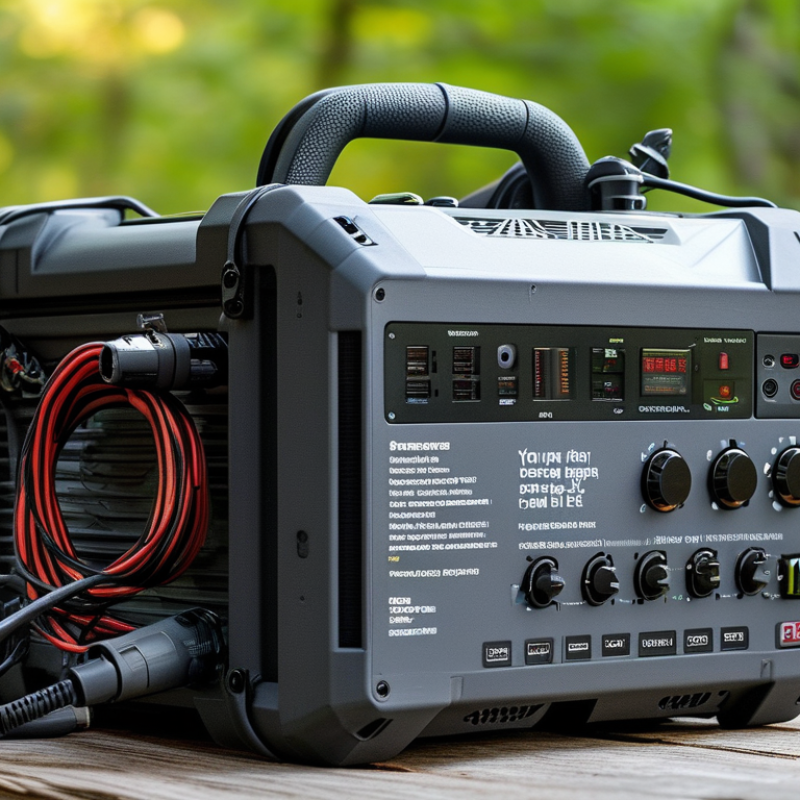
Portability is another key feature. Compact design and lightweight materials can make a big difference. A power station should fit easily in your trunk or backpack. Maneuverability often gets overlooked but greatly affects user experience. Having a unit with an ergonomic handle might make carrying it significantly easier.
Safety features also warrant attention. Overload protection and temperature control mechanisms can prevent accidents. Some stations come with built-in surge protectors. Investing in reliable safety adds confidence, especially during outdoor adventures. Reflecting on these aspects may lead to better decisions when choosing your portable power station.
Comparative Analysis of Battery Capacity and Output Power Ratings
When choosing a portable power station, battery capacity and output power ratings are critical factors. Higher battery capacity allows for longer usage periods and multiple charges for devices. Typical capacities range from 150Wh to over 2000Wh. For example, systems with 500Wh can power laptops and small appliances for several hours, making them suitable for camping or emergency situations.
Output power ratings determine what devices you can connect. Most portable power stations offer outputs between 300W and 2000W. The device’s inverter capacity is key here. A higher inverter wattage can handle more demanding equipment like refrigerators or power tools. Industry reports indicate that most users require a range of 600W to 1000W for daily needs.
Understanding your power requirements is essential. Many people underestimate their actual needs. It’s important to calculate the total wattage of devices you plan to use. Consider using a power calculator to avoid surprises. Batteries degrade over time, affecting capacity. Regularly check your station’s performance to ensure it meets your expectations.
Top 5 Portable Power Stations You Should Consider Today
| Model | Battery Capacity (Wh) | Output Power (W) | Weight (lbs) | Price ($) |
| Model A | 500 | 600 | 15 | 249.99 |
| Model B | 300 | 300 | 10 | 199.99 |
| Model C | 700 | 800 | 20 | 349.99 |
| Model D | 1000 | 1000 | 25 | 459.99 |
| Model E | 800 | 600 | 18 | 299.99 |
Real-World Applications: How Portable Power Stations Are Used
Portable power stations are becoming essential in various real-world applications. Their versatility is particularly evident in outdoor adventures. Camping trips often require reliable energy sources for gadgets. A survey by the Outdoor Industry Association reveals that 70% of campers prioritize having portable charging options. This trend emphasizes the growing need for dependable power solutions in nature.
Another significant application is in emergency preparedness. According to FEMA, up to 60% of households are unprepared for power outages. Portable power stations provide essential support during these times. Many users report that these stations keep communication devices charged and provide light. This capability can be crucial during storms or other natural disasters when access to traditional power sources is compromised.
In day-to-day life, portable power stations are favored by remote workers. As the freelance economy grows, many need power on the go. The Global Workplace Analytics report indicates that remote work has increased by 173% since 2005. Users value the ability to charge laptops and phones anywhere. However, there can be downsides, like battery capacity limitations. Users often need to plan their energy usage carefully to avoid running out of power unexpectedly.
Leading Brands and Market Share in the Portable Power Station Industry
The portable power station industry has seen remarkable growth in recent years. As outdoor activities gain popularity, many consumers seek reliable energy sources. This demand has attracted several key players who dominate the market. Research indicates a shift towards more eco-friendly options. Brands that emphasize sustainability are increasingly favored by consumers.
Understanding market share can be challenging. Several leading brands vie for attention, but not all outperform their competitors. Some products are highly marketed yet underperform in real-world scenarios. Users often report mixed experiences with durability and efficiency. A transparent evaluation will guide potential buyers toward reliable choices.
Innovation is continuous in this sector. New features such as solar compatibility and fast charging are becoming standard. However, not every advancement benefits the end-user equally. Brands need feedback to enhance their offerings. Consumers should look for products backed by credible testing and user reviews. This helps in identifying the truly reputable options amidst flashy advertising.
Customer Reviews and Ratings: What Users Are Saying About Efficiency
When it comes to portable power stations, user feedback offers invaluable insights. Many reviews highlight efficiency as a crucial factor. According to a recent industry report, nearly 70% of consumers prioritize battery capacity and charging speed. Users have noted that even among the top five options, there can be significant variations in performance. For instance, some units take much longer to recharge than others, impacting their usability for outdoor enthusiasts.
Another area of concern involves weight and portability. A survey revealed that 55% of users expressed frustration about the bulkiness of certain models. They appreciate lighter options that don't compromise on power. Users often mention how ease of transportation influences their overall satisfaction. Efficiency ratings frequently factor into their purchasing decisions. It's clear that actual user experiences often provide more reliable evaluations than technical specifications alone.
Customer reviews also highlight durability and reliability. Many users face issues with units failing after a few months of use. This has led some to question the build quality. For instance, users of different models report varying levels of sturdiness. Consulting user feedback, especially about long-term performance, is essential before making a purchase. Such reflections can guide potential buyers towards making informed and worthwhile choices.