Top 10 PCB Design Software You Need to Try Today?
In the rapidly evolving world of electronics, effective PCB design software is crucial. As the market for printed circuit boards projected to reach $85 billion by 2027, designers must leverage the best tools available. Current research shows that more than 60% of engineers prioritize using intuitive PCB design software to enhance productivity.
Professional PCB design software integrates advanced features for layout, simulation, and analysis. Designers often overlook the importance of user-friendly interfaces and collaboration tools. Yet, these factors can significantly impact project success. Many professionals find themselves unprepared when using outdated or complicated software, leading to costly mistakes.
With diverse needs and preferences, companies must identify suitable PCB design software. Popular options range from powerful platforms to simpler tools. However, the right choice depends on team size, project complexity, and budget constraints, necessitating careful consideration. Balancing functionality with usability is key to achieving optimal results in PCB design.

Introduction to PCB Design Software
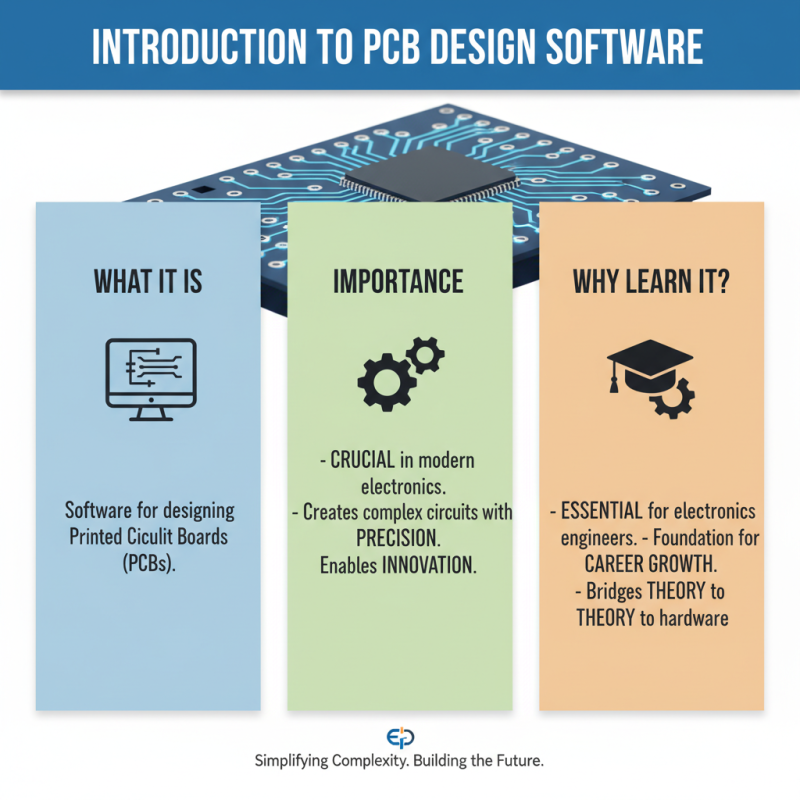
PCB design software plays a crucial role in modern electronics. It allows engineers to create complex circuit boards with precision. Understanding the basics of PCB design is essential for anyone entering the field.
When starting with PCB design tools, familiarize yourself with their user interfaces. Many programs have steep learning curves. Take your time to explore the features and functions. Iteration is vital in this process. Mistakes often happen, and it’s normal to feel overwhelmed initially.
Tips: Start by sketching your circuit layout on paper. This can help visualize connections better. Also, check for design rules within the software. They can save you from common errors. Regularly revisit your design. Fresh eyes can catch issues that you might miss after a long session. Remember, perfection is the goal, but it's okay to learn from your imperfections.
Key Features to Look for in PCB Design Tools
When choosing PCB design software, certain features are crucial for effective design. First, an
intuitive user interface can enhance your experience. It helps in visualizing
complex layouts and reduces the learning curve. Many users struggle with outdated interfaces. A fresh, modern approach can be a game changer.
Furthermore, look for robust simulation capabilities. Testing designs in a virtual environment saves time and resources.
It avoids costly errors during manufacturing. Real-time feedback on performance can lead to better designs. However, not all tools offer
this feature seamlessly. It’s important to evaluate how simulations are integrated.
Collaboration tools are another key factor. Working as a team often requires sharing designs easily. Look for software that allows
real-time updates and comments. This fosters better communication. Yet, some users find that
these features can be buggy or unintuitive. It’s worth investigating feedback from other users on this aspect.
Top 10 PCB Design Software for Beginners
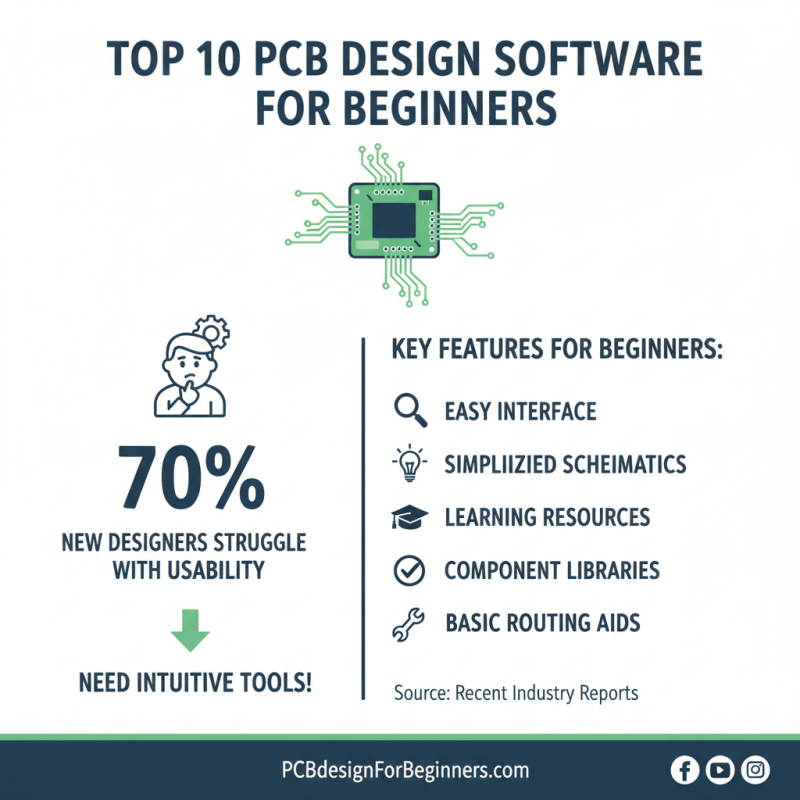
In the world of electronics, PCB design software is crucial for beginners. Many tools are available, but choosing the right one can be overwhelming. According to recent industry reports, about 70% of new designers struggle with software usability. This highlights the need to find intuitive options that simplify the learning curve.
When starting out, focus on software that offers user-friendly interfaces and guided tutorials. Concepts like layer management, schematic capture, and routing should be easy to understand. A good starting point includes features that automatically check for common errors. Beginners often overlook these tools, resulting in unnecessary setbacks.
Tips: Explore community forums to gather insights about common challenges. Engaging with other users can provide fresh perspectives. Remember, practice is essential. The more you experiment, the better your design skills will become. Embrace mistakes as learning opportunities; they are vital for growth in PCB design.
Comparison of Advanced PCB Design Tools
When selecting PCB design software, it’s essential to compare the features that each tool offers. A report from industry analysts indicates that approximately 40% of designers prioritize ease of use in their software choices. This means a user-friendly interface can significantly impact productivity and design efficiency.
Software tools vary greatly in their capabilities. Some offer robust simulation features, while others excel in layout options. In fact, a study by PCB Market Insights found that integrated simulation tools can reduce prototyping time by up to 30%. This is crucial for teams under tight deadlines who need to minimize errors.
Tips for selecting the right tool: focus on your specific needs. Identify the complexity of your projects and consider how many layers you typically work with. Sometimes, a simpler tool may suffice for basic designs. Additionally, don’t overlook the importance of community support and tutorials. They can help you quickly troubleshoot common issues. Remember, the best tool is one that aligns with your workflow. Always reflect on your design process to improve efficiency.
Industry Trends in PCB Design Software Development
The landscape of PCB design software is rapidly evolving. Recent industry reports indicate that the market for PCB design tools is projected to reach over $3 billion by 2025. This growth is driven by advancements in technology and the increasing complexity of electronic devices. Manufacturers require more robust tools to handle intricacies and design challenges in modern applications.
One significant trend is the integration of artificial intelligence in PCB design. AI can automate routine tasks, reducing human error and speeding up the design process. However, the application of AI raises questions about the reliability of software decisions. Engineers still need to verify results carefully. The shift towards automation may also face resistance from experienced designers who prefer traditional methodologies.
Additionally, cloud-based solutions are gaining popularity. These platforms allow for collaboration across teams and locations, enhancing productivity. However, concerns about data security in cloud environments remain prevalent. The ability to share designs seamlessly comes at the risk of potential data breaches. As the industry progresses, balancing innovation with security and reliability will be crucial in software development.
Top 10 PCB Design Software Features Comparison