Top Toilet Paper Roll Raw Material Suppliers Worldwide
The global tissue market begins with a quiet but decisive question: where does the Roll Raw Material Toilet Paper come from? Suppliers influence softness, strength, absorbency, cost, and environmental performance long before a roll reaches the bathroom. Their choices include virgin kraft pulp, recycled fiber, bamboo pulp, bagasse, and carefully blended materials.
Dr. Martin A. Hubbe, a recognized pulp and paper materials researcher, offers a useful industry perspective: “Fiber quality is central to tissue performance, but it must be judged within the whole process.” This principle matters when comparing leading suppliers worldwide. A bright sheet is not automatically a better sheet. Moisture control, fiber length, refining, cleanliness, and delivery consistency also shape production results.
Small details matter.
A strong supplier can provide stable pulp specifications, transparent sourcing information, technical support, and dependable shipment planning. Buyers should examine more than price. They need to study certifications, recycled content claims, mill capacity, water use, and regional logistics. These factors can change the real cost of raw materials.
Still, supplier rankings are not perfectly universal. A mill serving Asia may not suit a converter in Europe or North America. Local freight, energy prices, product design, and customer expectations create different priorities. That is where this guide needs careful reflection. “Top” should describe practical fit, not only company size.
This overview examines leading Roll Raw Material Toilet Paper suppliers worldwide. It considers material quality, innovation, sustainability, reliability, and technical experience. The goal is simple: help tissue manufacturers make informed purchasing decisions with fewer unpleasant surprises.
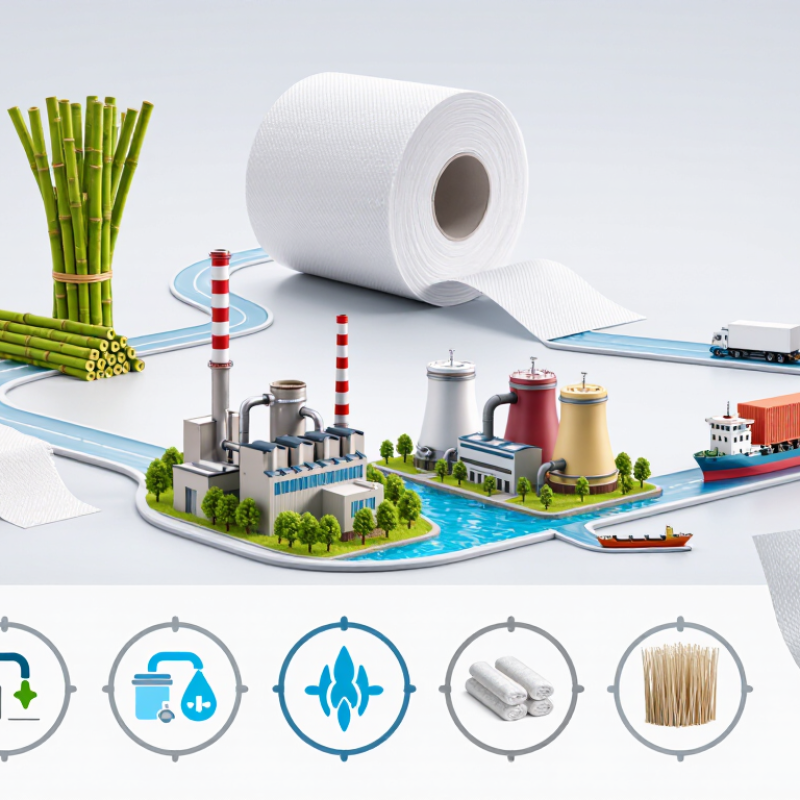
What Toilet Paper Roll Raw Materials Include
Toilet paper roll raw materials begin with fiber, not finished paper. The main choices are virgin wood pulp, recycled paper fiber, and blended furnish. Virgin pulp usually comes from bleached softwood and hardwood fibers. Softwood adds strength. Hardwood improves softness and formation. Recycled fiber can reduce dependence on fresh wood, but its quality varies with collection, sorting, and cleaning.
The FAO Global Forest Resources Assessment 2020 reported that forests cover about 31% of the world’s land area. This figure supports responsible sourcing, but it does not prove that every pulp supply is sustainable. Buyers should check forest certification, origin records, fiber yield, and supplier audit results. The CEPI 2023 preliminary statistics also reported a European paper recycling rate near 79%, showing the scale of recovered fiber use. Recycled furnish still requires careful screening. Small contaminants can create holes, odors, or rough spots.
Water and process chemicals are also important raw materials. Water affects fiber dispersion and sheet formation. Wet-strength agents, dry-strength agents, softeners, and retention chemicals influence roll performance. Coreboard, adhesives, and packaging materials complete the converting input list. It is easy to overlook them. A supplier may satisfy a laboratory specification yet perform poorly on a fast production line. Moisture changes, fiber aging, and inconsistent bale quality remain practical concerns. Some specifications are too optimistic. Trial batches and repeat testing are safer than relying on one certificate.
How to Evaluate Global Raw Material Suppliers
Top Toilet Paper Roll Raw Material Suppliers Worldwide
Choosing a global toilet paper roll raw material supplier requires more than comparing prices. The right evaluation begins with fiber quality, supply stability, and documented production controls. Ask whether the supplier provides virgin pulp, recycled fiber, or blended materials. Each option affects softness, strength, color, and machine performance. Request recent test reports for tensile strength, moisture, brightness, and contaminant levels. A reliable supplier should explain these results clearly, not hide behind technical language.
Evaluate the supplier’s practical experience, too. Check production capacity, export history, backup mills, and average lead times. Small delays can stop converting equipment and increase storage costs. Ask for samples from different production batches. One sample may look excellent, but consistency matters more. Factory audits can confirm fiber storage, cleanliness, quality inspection, and traceability. Independent certifications may support credibility, but they should never replace direct verification. No scorecard is perfect. My own assessment would still change after a failed shipment or unexpected humidity issue.
Tips: Build a supplier comparison sheet with measurable criteria. Record basis weight, fiber composition, delivery performance, packaging quality, and complaint response time. Test materials under your actual machine settings. Review the contract for specifications, inspection rights, replacement procedures, and shipment responsibilities. Speak with technical staff, not only sales representatives. Also, keep a qualified secondary source. The cheapest offer can become expensive when quality varies between rolls.
Leading Supplier Regions and Market Characteristics
The global toilet paper roll raw material market is shaped by regional fiber access, converting capacity, and transport infrastructure. Supplier regions do not offer identical advantages. Each has trade-offs.
East and Southeast Asia often provide broad tissue-grade parent reel capacity, flexible order volumes, and efficient port networks. Recycled fiber is common in several industrial centers, while virgin pulp supports softer premium grades. China, Indonesia, and Vietnam serve different production profiles. Specifications still require careful checking. Basis weight, moisture, roll width, and core diameter can vary between mills.
Northern Europe and North America emphasize certified forestry systems, recycled content, stable quality, and documented production controls. Their suppliers may offer stronger traceability, but freight costs can raise landed prices. Latin America benefits from established pulp resources and large-scale tissue manufacturing. The region can be attractive for buyers seeking consistent virgin fiber supply. Weather, port schedules, and currency changes remain practical concerns.
The Middle East and South Asia function as important distribution and converting hubs. Many buyers source parent reels from nearby regions, reducing delivery time. However, local availability may change quickly when pulp prices or shipping capacity shifts. In supplier evaluations, sample testing should precede large contracts. Measure softness, tensile strength, absorbency, dust, and winding performance. A low quotation can hide higher waste during converting. Regional reputation helps, but it is not proof. Even experienced buyers sometimes overlook seasonal moisture changes. That mistake deserves more attention.
Key Factors in Pricing, Quality, and Supply Stability
Top Toilet Paper Roll Raw Material Suppliers Worldwide
Pricing for toilet paper roll raw materials depends on more than pulp cost. Fiber type, energy use, water treatment, packaging, and freight can change the final quotation. Virgin pulp usually supports consistent softness and strength, while recycled fiber may reduce cost but requires tighter quality control. Buyers should compare prices by delivered ton, not by the supplier’s headline figure. Currency movements and seasonal freight increases can quietly affect margins.
Quality needs measurable standards. Request data for basis weight, moisture, tensile strength, brightness, absorbency, and contamination limits. A reliable supplier should provide recent test reports and a clear certificate of analysis for each shipment. Small sample rolls can reveal loose fibers, uneven formation, or a harsh hand feel. These details matter during converting. A cheaper grade may also create more dust and increase machine cleaning time.
Supply stability depends on production capacity, warehouse practices, and transparent communication. Ask about normal lead times, minimum order quantities, port options, and emergency allocation procedures. Regional stock can reduce disruption, but stored material needs protection from humidity and temperature changes. One common mistake is trusting a long supplier list without checking actual capacity. An on-site or independent audit can expose gaps. Still, audits are snapshots, not guarantees. A written quality agreement, backup supply route, and realistic safety stock offer stronger protection. Mistakes happen. The important question is how quickly and honestly the supplier responds.
How to Choose the Right Supplier for Your Business
Top Toilet Paper Roll Raw Material Suppliers Worldwide
Choosing the right supplier starts with your converting process, not the lowest quotation. Define the required parent roll width, GSM, core size, softness, strength, and moisture level. A supplier should provide consistent specifications across every shipment. One useful test is simple: run a sample roll through your actual rewinder and record dust, breaks, folding behavior, and production speed.
Ask for technical data sheets, certificates of analysis, and recent quality records. Check whether the supplier can provide recycled, virgin, or blended pulp according to your product requirements. Reliable suppliers explain their fiber sources and testing methods clearly. They should also confirm monthly capacity, lead times, packaging standards, and loading conditions. Do not rely only on polished samples. A sample can hide seasonal variation or unstable production.
Tips: Request at least three samples from different production dates. Compare tensile strength, absorbency, brightness, and roll density. Visit the mill when practical, or arrange an independent factory audit. Confirm payment terms, inspection procedures, claims handling, and shipment documents in writing. Ask how delays are managed. A low price may become expensive after customs storage, rejected rolls, or machine downtime. I have seen buyers overlook core accuracy, then struggle with repeated feeding errors. That detail deserves more attention. Leave room for trial orders before signing a long-term agreement.
Top Toilet Paper Roll Raw Material Suppliers Worldwide — How to Choose the Right Supplier for Your Business
A practical supplier-evaluation framework for tissue manufacturers. The recommended weights reflect the main purchasing factors used when comparing virgin pulp, recycled fiber, and other toilet paper roll raw materials.
Higher-weight criteria should receive greater attention during supplier qualification. Buyers should also verify product specifications, traceability documents, certifications, logistics capacity, and compliance requirements before signing a contract.