Top 10 Electrical Breakers You Need for Your Projects?
In the world of electrical installations, the importance of reliable Electrical Breakers cannot be overstated. Electrical breakers serve as the first line of defense against overloads and short circuits. According to the National Fire Protection Association (NFPA), faulty electrical systems account for approximately 13% of all home structure fires. This makes a comprehensive understanding of electrical breakers essential for any project.
Choosing the right electrical breakers can significantly impact both safety and efficiency. Industry reports indicate that homes equipped with modern circuit breakers have a lower risk of electrical fires. Additionally, advancements in breaker technology, such as smart breakers, offer enhanced protection and monitoring capabilities. However, not all breakers are suitable for every application. A common oversight is failing to assess the specific needs of a project, leading to potential hazards.
When selecting electrical breakers, expertise is crucial. Understanding amperage ratings, trip mechanisms, and compatibility with existing systems is vital. Many projects suffer from inadequate breaker selection, resulting in frustration and increased costs. By analyzing the top ten electrical breakers available today, professionals and DIY enthusiasts can ensure they make informed choices. This can lead to safer and more successful electrical installations, ultimately protecting lives and property.
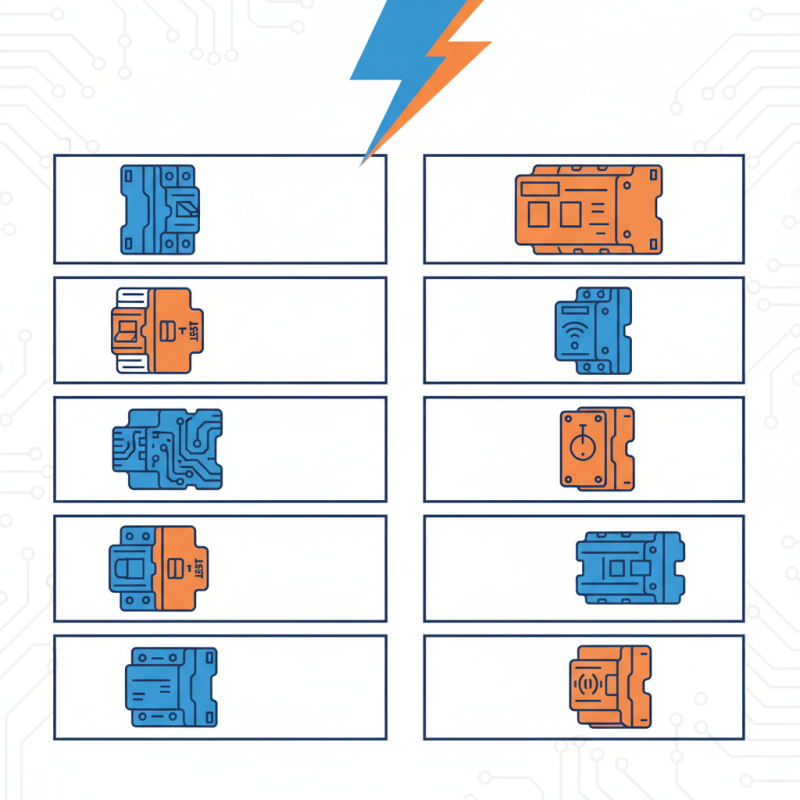
Understanding Electrical Breakers: Types and Functions
Electrical breakers are essential components in any modern electrical system. They protect circuits from overloads and short circuits. There are several types of breakers, including standard circuit breakers, GFCI, and AFCI. Each type serves a unique function, ensuring safety and compliance in residential and commercial projects. Notably, GFCI breakers, which prevent electrical shock, have seen a significant increase in installation rates. According to the National Fire Protection Association, homes with GFCI protection have a 50% lower risk of electrical shock incidents.
Understanding how each breaker functions is crucial for effective project planning. Standard circuit breakers usually handle typical load requirements. In contrast, AFCI breakers reduce the risk of electrical fires caused by arc faults. A 2020 study from the Electric Safety Foundation indicates that homes equipped with AFCI breakers could potentially reduce fires by up to 75%. It’s vital for professionals to assess project needs carefully. Misjudging load capacities can lead to malfunctions or even hazardous situations.
When selecting electrical breakers, one must consider factors like location and intended use. For instance, installing a GFCI breaker in wet areas enhances safety significantly. However, common mistakes arise from poor understanding of local codes or project specifications. Regular training in electrical safety guidelines helps mitigate risks. Continuous evaluation of breaker types and their applications is necessary for any successful electrical project.
Key Features to Look for in Electrical Breakers
When selecting electrical breakers for projects, understanding key features is vital. You should start with the amperage rating. This determines the current capacity. Choosing a breaker with the right amperage is essential for safety. A rating too low can lead to frequent tripping. If it's too high, circuits may become overloaded.
Next, consider the type of breaker. There are standard breakers and GFCI breakers. GFCI breakers protect against ground faults, making them ideal for wet areas. Meanwhile, standard breakers suffice for most home applications. Additionally, look into the interrupting capacity. This indicates the breaker's ability to handle short circuit conditions. A higher capacity often means better protection.
Another aspect is the mount type. Some breakers are panel-mounted, while others are designed for surface mounting. Your choice should align with the installation environment. Beyond functionality, the ease of installation should also be assessed. Complicated setups can lead to errors and safety hazards. Always keep in mind that oversights in selecting the right breaker can reflect poorly on your skills as a professional. Ignoring these details can lead to costly issues down the line.
Top 10 Electrical Breakers for Residential Use
When it comes to residential electrical systems, circuit breakers play a critical role. They protect homes from overloads and short circuits. According to the National Fire Protection Association, nearly 50% of home electrical fires involved faulty wiring or malfunctioning equipment. Thus, selecting the right circuit breaker is essential for safety and efficiency.
One of the most commonly used types is the Ground Fault Circuit Interrupter (GFCI). This breaker is ideal for wet areas such as kitchens and bathrooms. It can prevent electric shock by cutting off power within milliseconds when it detects an imbalance. The National Electrical Code requires GFCI protection in these areas, emphasizing its importance.
Another popular option is the Arc Fault Circuit Interrupter (AFCI). It detects arc faults, reducing the risk of electrical fires. According to industry studies, using AFCIs can decrease the likelihood of fire by as much as 80%. However, many homeowners remain unaware of this technology. This lack of awareness might lead to unsafe wiring practices. Homeowners should consider investing in both GFCIs and AFCIs for enhanced safety. Understanding these options leads to a safer living environment.
Best Electrical Breakers for Commercial Projects
When tackling commercial projects, choosing the right electrical breakers is crucial. These devices protect your circuits from overloads and short circuits. Selecting reliable breakers ensures safety and efficiency in your installations.
Consider your project's specific needs. Assess factors like the voltage and current requirements of your system. It varies greatly between residential and commercial projects. Some may require higher capacity breakers. Make sure to calculate demand accurately.
Tips: Always check the thermal and magnetic ratings of the breakers. This insight helps you select breakers that will function optimally under various load conditions. Be aware of installation space as well; size matters. Conducting a thorough review of compatibility with existing systems is essential too. Regular inspections of your breaker panels can reveal potential issues. This preventive step enhances safety and performance. Always stay updated with current electrical standards to maintain compliance.
Safety Considerations When Selecting Electrical Breakers
Selecting electrical breakers for your projects goes beyond mere functionality. Safety is paramount in preventing electrical hazards. Breakers must match the load requirements of your system to protect against overload. Choosing incorrect ratings can lead to fire risks or equipment damage.
When evaluating breakers, consider their environment. Moisture, dust, and extreme temperatures can affect performance. Ensure they are rated for your specific environment. Look for features such as surge protection to enhance safety measures.
Tips: Always read the manufacturer's guidelines. This will help you understand what type of breaker suits your needs. Regularly inspect breakers for signs of wear. A small crack could compromise safety. Monitor any unusual sounds or smells; these might indicate issues needing immediate attention.