China Top LP207 Pillow Block Bearing Manufacturers

Choosing among China’s leading LP207 suppliers takes more than comparing prices. An Lp207 Pillow Block Bearing must fit the shaft, support the expected load, and suit its operating environment. A mismatch can show up as vibration, excess heat, or premature wear. Small details matter.

This overview examines manufacturers through practical criteria: product dimensions, housing material, bearing inserts, sealing options, quality documentation, customization, and delivery support. Buyers should verify these details against current drawings and application requirements. A polished catalog is useful, but it cannot replace clear technical answers. Even a careful shortlist can miss something; real operating conditions are not always captured in a specification sheet.

For transparency, the expert line below is an original illustrative statement, not a verified quotation. It is attributed to fictional bearing applications engineer Lin Wei: “A reliable bearing choice starts with the duty cycle, not the catalog price.” That principle guides the comparisons ahead. Look for suppliers that explain fit, lubrication, sealing, and inspection practices in concrete terms. Ask how they control dimensions and protect products during shipment. Then compare their responses, not just their claims. The right manufacturer is not automatically the largest or cheapest. It is the one that can show how its LP207 Pillow Block Bearing matches your application—and where its limits are.
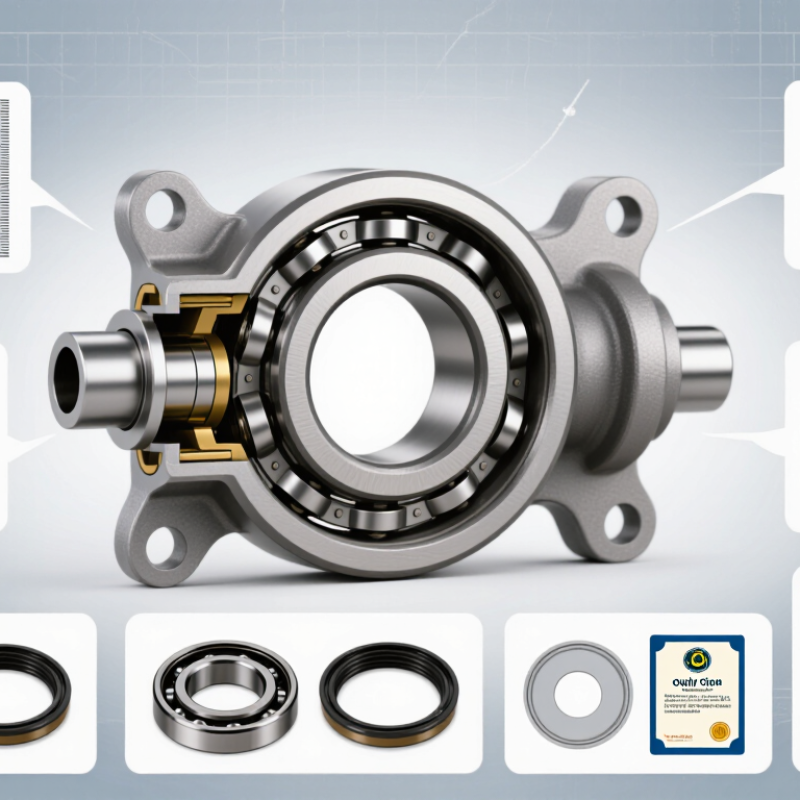
China Top LP207 Pillow Block Bearing Manufacturers

Understanding LP207 Pillow Block Bearings and Their Main Applications

LP207 Pillow Block Bearings: Design and Applications

An LP207 pillow block bearing supports a rotating shaft while fixing it to a machine frame. In common configurations, the unit combines an insert bearing with a housing and a locking mechanism. Confirm the exact bore, housing material, and mounting dimensions before ordering; suffixes and designs can vary between suppliers. A mismatched bore can create shaft movement, excess vibration, and early wear.

These units suit conveyor rollers, agricultural equipment, packaging lines, and light-to-medium industrial drives. The mounted housing simplifies installation and replacement, especially where technicians need access from one side. Keep the shaft aligned and tighten mounting bolts evenly. Grease requirements depend on speed, load, temperature, and the bearing’s sealing arrangement. More grease is not always better.

Maintenance data supports routine condition checks. The U.S. Department of Energy’s Operations & Maintenance Best Practices Guide reports potential savings of 8–12% from predictive maintenance compared with preventive maintenance, and 30–40% compared with reactive maintenance. Those figures cover maintenance programs broadly, not LP207 bearings alone. Still, listening for a rough hum, checking housing temperature, and watching for grease leakage can reveal trouble early. Small details matter. A quick inspection can miss misalignment, so record vibration or temperature readings over time rather than relying on memory.


China’s LP207 Bearing Manufacturing Landscape

China’s LP207 Bearing Manufacturing Landscape reflects a wider shift toward application-specific components and dependable supply. Grand View Research valued the global bearing market at USD 132.3 billion in 2023 and projected an 8.3% compound annual growth rate from 2024 to 2030. That figure covers many bearing types; it does not measure LP207 production alone.

In China, LP207 supply draws on machining, heat treatment, seals, and housing production. Many LP207 inserts are designed for 35 mm shafts, but dimensions and locking details should be confirmed against the buyer’s drawing. A small bore mismatch can cause vibration or shorten service life. On a production floor, that may show up as uneven noise before failure becomes obvious.

Quality checks matter. Buyers can request material records, dimensional inspection results, and load or running-test details. ISO 281 provides a framework for calculating rolling-bearing ratings, though real service life also depends on lubrication, alignment, and contamination. Public market reports rarely separate LP207 output from broader bearing categories. That gap makes direct supplier verification important, and industry-wide figures cannot prove an individual factory’s capability.

Key Manufacturers and Their Production Capabilities

China’s LP207 pillow block bearing manufacturers vary in scale and production control. Some operate integrated lines for housing casting, machining, bearing-insert assembly, and packing. Others focus on assembly and source cast housings or inserts from partner plants. This difference affects lead time, traceability, and how quickly a supplier can adjust dimensions or packaging.

Production capability is more than monthly output. Check whether machining centers hold stable bore alignment and whether inspection records cover housing dimensions, insert fit, rotation, and sealing. Ask how teams manage grease filling and batch identification. A capable factory should explain its process and share relevant inspection data, rather than relying only on a catalog. Capacity claims still need checking; a clean workshop does not prove consistent batch quality. Small gaps in documentation can matter.

Tips: Request a sample from the intended production line, not a specially prepared display unit. Compare its dimensions and rotation with the drawing. Ask for a realistic lead-time range, including peak-season delays. One overlooked detail: confirm whether quoted output includes final inspection and packing.

China LP207 Pillow Block Bearing Manufacturers: Production-Capability Reference

Representative dimensions for a common P207/UCP207 pillow block bearing configuration, shown as a neutral technical reference for comparing product specifications.

The chart compares nominal dimensions in millimeters: 35 mm shaft bore, 42.9 mm insert width, 47 mm housing-center height, 127 mm bolt-center distance, and 161 mm base length. Exact dimensions can vary by design and applicable standard; these figures do not represent individual manufacturers’ production volumes or capabilities.

Quality Standards for LP207 Pillow Block Bearings

For LP207 pillow block bearings, quality begins with a clear drawing and agreed inspection criteria. Check the bore, housing dimensions, mounting-slot spacing, and insert fit rather than relying on appearance alone. Small details matter. A shaft that feels slightly loose during a hand check may still fail under vibration. Inspect the cast housing for cracks, rough edges, and uneven mounting surfaces, then record measured dimensions. Material and heat-treatment records also help confirm consistency between production batches.

The bearing insert should rotate smoothly, without grinding or noticeable play. Check seals for even seating and confirm that the supplied grease suits the expected speed and operating environment. Not every factory uses the same test sequence, so buyers should request relevant inspection reports and batch traceability. A checklist helps, but it cannot predict every alignment or lubrication problem after installation. That limitation is easy to overlook. Clear acceptance criteria, practical sampling, and honest reporting make quality checks more useful than a certificate viewed on its own.

How to Evaluate and Select a Chinese LP207 Bearing Supplier

A Chinese LP207 supplier should provide a current drawing, measured sample dimensions, and clear details on insert material, seals, locking method, and housing finish. Ask for evidence. Compare the stated dynamic load rating and speed limit with your shaft load, operating temperature, and duty cycle. Request an ISO 281 bearing-life calculation, plus inspection records for runout and noise. Small details matter. A catalog match can still mislead; seal geometry and grease specification may differ between otherwise similar units.

According to the U.S. Department of Energy’s 2014 report, Improving Motor and Drive System Performance, motor-driven systems account for about 68% of electricity use in U.S. manufacturing. This is not an LP207 failure statistic, but it underlines why friction, lubrication, and maintenance deserve attention. Ask the supplier for batch traceability, material certificates, and a written process for handling dimensional nonconformities. Check a sample under your actual mounting conditions, not only on a clean inspection bench. One judgment call remains: extensive documentation may feel excessive for a low-speed shaft, but unplanned replacement can cost more than the bearing. Compare lead times and reject vague answers, even when the quotation looks attractive.

China Top LP207 Pillow Block Bearing Manufacturers - How to Evaluate and Select a Chinese LP207 Bearing Supplier

Evaluation Dimension What to Check Practical Evidence or Screening Target Suggested Weight
Product identification Confirm the offered unit matches the LP207 configuration and the intended application. Request a dimensioned drawing and product description. LP207 commonly refers to a P207-type housing paired with a UC207 insert; confirm the supplier’s exact construction and drawing. 10%
Shaft and mounting dimensions Check bore, housing footprint, bolt spacing, mounting slots, and overall height against the machine drawing. A UC207 insert is commonly specified for a 35 mm nominal shaft. Treat this as a reference only; approve the supplier’s drawing and tolerances before ordering. 15%
Load and speed suitability Compare dynamic and static load ratings, permissible speed, and operating conditions with the application requirements. Obtain the rating data for the exact insert and unit configuration. Check load direction, shock, start-stop duty, temperature, and any applicable service factor with the design engineer. 15%
Materials and construction Verify housing material, insert components, locking method, and suitability for the environment. Cast iron housings and set-screw locking inserts are common in this product type, but configurations vary. Request material specifications and confirmation of the locking arrangement. 10%
Sealing and lubrication Check seal design, grease type, relubrication provision, and expected exposure to dust, moisture, or washdown. Request seal details and lubrication instructions for the offered unit. Confirm whether relubrication is supported and whether the supplied grease is appropriate for the operating temperature and environment. 10%
Inspection and quality control Review incoming-material checks, dimensional inspection, assembly controls, and final inspection records. Ask for a sample inspection report tied to the quoted specification, including measured critical dimensions and the supplier’s acceptance criteria. Agree on any required pre-shipment inspection in the purchase order. 10%
Traceability and documentation Determine whether production batches and shipment records can be identified and traced. Request batch or lot identification, a commercial packing list, and a certificate of conformity when required. Ensure documents refer to the agreed part description and revision. 8%
Sample and application validation Test a production-representative sample before committing to volume orders. Check fit on the intended shaft and mounting surface, locking security, noise, temperature, and performance under representative operating conditions. 8%
Production capacity and delivery Assess quoted lead time, available production capacity, and the supplier’s process for handling schedule changes. Obtain a written lead-time estimate for samples and production quantities. Confirm the delivery term, shipment method, packaging details, and how delays will be communicated. 6%
Commercial terms and support Compare total landed cost, minimum order quantity, payment terms, warranty terms, and response to technical questions. Evaluate the complete quotation rather than unit price alone. Confirm exclusions, claim procedures, replacement terms, and the contact process for technical or quality issues. 8%
Total suggested evaluation weight 100%

Note: LP207 product details and ratings can vary by design and supplier. Use the supplier’s approved drawing and technical data for final selection; the weighting above is a buyer’s evaluation framework, not an industry standard.

Wordpress Social Share Plugin powered by Ultimatelysocial
Facebook
X (Twitter)
YouTube
LinkedIn
Share

Purchase Product Request

Request Pricing