30+ Years of Experience in PCB Design and Manufacturing


The 2026 search for top Bellows Sealed Gate Valve manufacturers should begin with process reality, not marketing claims. These valves protect demanding systems from external leakage, especially where toxic, radioactive, corrosive, or ultra-clean media require strict containment. A reliable manufacturer must demonstrate proven bellows design, controlled welding, pressure testing, and documented material traceability. Small details matter. A damaged stem seal can compromise an entire plant boundary.
R. W. Zappe, author of the Valve Selection Handbook, offered a practical principle often summarized as: “Valve selection must follow service conditions, not catalogue popularity.” That warning remains highly relevant. Buyers should compare pressure classes, temperature limits, cycle life, bonnet construction, seat materials, and fugitive-emission performance. They should also examine factory testing records and field-service experience. A polished website proves little.
This guide evaluates leading manufacturers through engineering depth, manufacturing consistency, certification practices, customization capability, and after-sales support. It considers suppliers serving power generation, chemical processing, refining, hydrogen, semiconductor, and vacuum applications. Regional availability also matters. Spare parts may be urgent.
Some rankings remain imperfect. Public data is uneven, and manufacturers report performance differently. A company with excellent metallurgy may offer weaker documentation. Another may provide strong testing but limited global service. These weaknesses deserve attention. Therefore, the 2026 list should not be treated as a final verdict. It should function as a practical starting point for technical review, supplier audits, and application-specific decisions. The best Bellows Sealed Gate Valve manufacturer is rarely the loudest name. It is the one that performs reliably when temperature rises, pressure fluctuates, and failure becomes expensive.
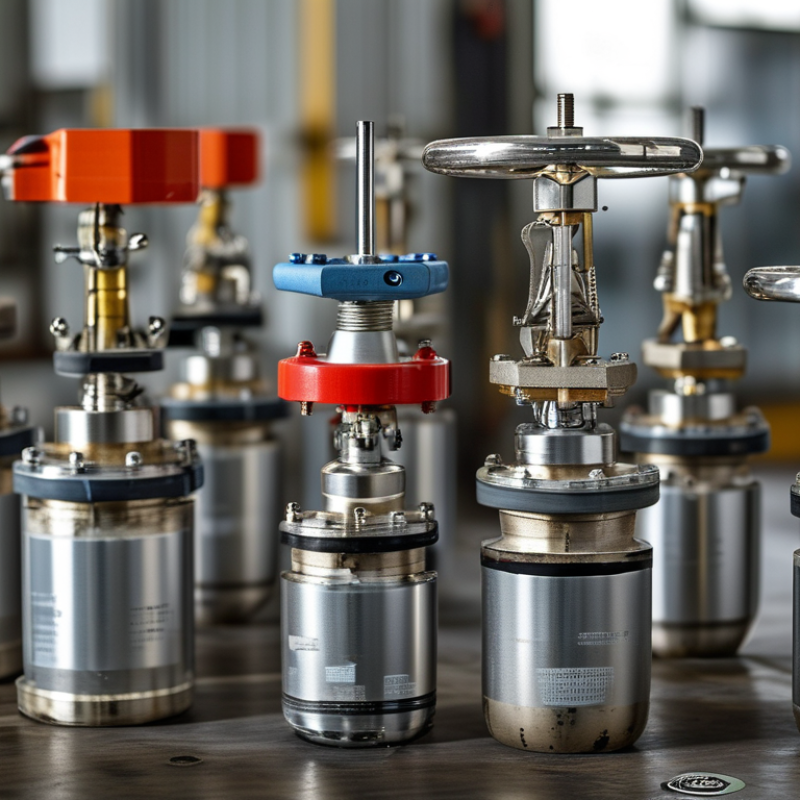
A bellows sealed gate valve is an isolation valve designed to stop process fluid escaping around the moving stem. Unlike a standard packed valve, it uses a welded metal bellows as the primary dynamic seal. The bellows expands and contracts while the gate moves, keeping hazardous, toxic, or high-purity media inside the valve body. It is commonly used in chemical, pharmaceutical, vacuum, and energy systems.
The gate provides a straight, low-resistance flow path when fully open. However, this valve is not intended for routine throttling. Partial opening can damage the gate and sealing surfaces. Stainless steel or nickel-based bellows may suit demanding temperatures, but material selection must match pressure, corrosion, and cycling conditions. Reliable suppliers should provide pressure tests, bellows cycle data, helium leak results, and traceable inspection records. The design is not automatically perfect. Poor alignment or excessive piping stress can shorten bellows life.
Tips: Check the valve’s face-to-face dimension before installation. Keep the gate fully open or fully closed during operation. Inspect the stem movement for stiffness, vibration, or unusual noise. A secondary packing seal may provide backup protection, but it should never replace proper bellows inspection. Many buyers compare price first, yet service life and maintenance access often matter more.
| Evaluation Dimension | Technical Fact or Typical Data | Why It Matters | Recommended Verification Point |
|---|---|---|---|
| Valve Definition | A bellows sealed gate valve uses a welded metal bellows around the stem to create a pressure boundary and minimize stem leakage to the atmosphere. | It is suited to processes where fugitive-emission control or protection from toxic, hazardous, radioactive, or high-purity media is important. | Confirm that the design uses a metallic bellows seal rather than only a conventional packing arrangement. |
| Primary Valve Function | Gate valves are primarily isolation valves. The gate normally moves perpendicular to the flow path and is intended for fully open or fully closed service. | Throttling can cause vibration, erosion, and damage to seating surfaces. | Check the operating procedure and confirm that the valve is not being selected for continuous flow regulation. |
| Bellows Construction | Common bellows materials include stainless steel and nickel-based alloys, selected according to pressure, temperature, corrosion, and cycle requirements. | Material compatibility and fatigue resistance directly affect service life. | Request the bellows alloy, number of plies, weld procedure, design life, and corrosion-resistance assessment. |
| Bellows Type | Formed bellows may be used for some applications, while welded bellows are commonly selected when controlled geometry and high cycle reliability are required. | The manufacturing method influences flexibility, fatigue performance, and inspection requirements. | Review bellows drawings, weld inspection records, pressure-test results, and cycle-test documentation. |
| Typical Nominal Size | Commercial product ranges commonly cover small and medium process-piping sizes, with exact availability depending on pressure class and design standard. | Larger sizes can require greater operating torque, larger bellows, and more demanding structural design. | Match nominal size, outside diameter, wall thickness, face-to-face length, and end-connection dimensions to the piping specification. |
| Pressure Classes | Common flanged designs are specified using pressure classes such as ASME Class 150, 300, 600, 900, and higher, subject to the valve design. | Allowable pressure decreases as temperature rises and depends on the pressure-rating material group. | Verify the pressure-temperature rating table, not only the nominal class marking. |
| Temperature Capability | Temperature capability is determined by body, trim, seat, gasket, packing backup, bellows alloy, and pressure-rating limitations; no single temperature range applies to every design. | Cryogenic, high-temperature, and thermal-cycling applications require different materials and qualification methods. | Obtain a certified pressure-temperature curve for the exact material combination and configuration. |
| Body Materials | Typical body options include carbon steel, stainless steel, and selected alloy steels or nickel alloys for corrosive, high-temperature, or low-temperature service. | The body must withstand the process chemistry, pressure, temperature, and external environment. | Confirm material grade, heat-treatment condition, impact-test requirements, and material certificates. |
| Seat and Gate Arrangement | Configurations may include resilient or metal-seated designs, and solid or flexible wedge arrangements, depending on service conditions and applicable standards. | Seat design affects shutoff performance, temperature tolerance, particle tolerance, and maintenance requirements. | Specify leakage acceptance criteria and require seat-material compatibility with the process fluid. |
| Stem Sealing Principle | The bellows provides the primary dynamic stem barrier. A secondary packing arrangement is often retained above the bellows as a backup and for containment if the bellows fails. | Dual containment improves operational safety and supports maintenance planning. | Confirm the secondary seal arrangement and whether the bonnet can be monitored or tested. |
| Fugitive-Emission Performance | Bellows sealing is designed to reduce stem emissions compared with a packing-only stem seal, but performance depends on design, testing, installation, and operating conditions. | This is important for volatile organic compounds, toxic gases, and regulated process plants. | Request an emissions test report to the project-required standard and test class. |
| Applicable Standards | Relevant references may include ASME B16.34 for valve pressure-temperature design and testing requirements, API 600 or EN 13709 for gate-valve design, and MSS SP-117 for bellows-sealed valve guidance. | Standards establish consistent requirements for dimensions, materials, pressure testing, and documentation. | Identify the governing standard and edition in the purchase specification. |
| Pressure Testing | Typical testing includes body or shell testing, seat leakage testing, and, where specified, bellows or bonnet integrity testing. | Testing confirms pressure-boundary integrity and shutoff performance before shipment. | Require test procedures, acceptance criteria, calibrated instrument records, and final test certificates. |
| Bellows Cycle Life | Cycle life is application-specific and depends on bellows geometry, stroke, material, pressure, temperature, alignment, and operating frequency. | Frequent operation can create fatigue damage even when static pressure is within the rating. | Compare the stated cycle rating with the expected operating cycles and thermal transients. |
| Actuation and Torque | Manual handwheels are common for smaller valves; gear operators, electric actuators, or other actuators may be used for larger sizes or remote operation. | Incorrect actuator sizing can prevent full closure or overstress the stem and bellows assembly. | Request breakaway torque, running torque, maximum stem thrust, travel, and actuator-sizing calculations. |
| End Connections | Common options include raised-face flanges, ring-type joint flanges, butt-weld ends, and socket-weld ends, subject to size and pressure class. | Connection selection affects installation, heat input, maintenance access, and leak-tightness. | Verify flange facing, bore, schedule, welding details, dimensions, and applicable piping code. |
| Service Applications | Typical applications include chemical processing, petrochemical systems, power generation, vacuum service, high-purity processes, hazardous-gas handling, and heat-transfer systems. | The bellows design is valuable where external leakage is more critical than the lowest initial purchase cost. | Evaluate media toxicity, volatility, cleanliness, corrosivity, pressure, temperature, and operating frequency. |
| Main Advantages | Reduced stem leakage, improved containment, suitability for hazardous media, and reduced dependence on frequent packing adjustment. | These benefits can lower environmental, safety, and maintenance risks. | Compare total cost of ownership, inspection requirements, replacement parts, and downtime exposure. |
| Main Limitations | Bellows sealed gate valves generally cost more than packing-only valves and require careful control of alignment, stroke, vibration, and operating cycles. | A bellows failure can require bonnet or valve replacement, depending on the design and repair provisions. | Review repairability, spare-bellows availability, inspection intervals, and failure-containment procedures. |
| Manufacturer Qualification Criteria | A qualified manufacturer should demonstrate controlled design, traceable materials, documented welding and inspection procedures, pressure testing, emissions testing when required, and consistent quality records. | Technical capability and documented quality systems are more meaningful than product claims alone. | Use a technical bid evaluation covering standards, drawings, certificates, test reports, quality plans, and after-sales support. |
Note: Pressure, temperature, materials, dimensions, leakage limits, and cycle ratings must be confirmed for the exact valve configuration and service conditions.