Top 10 Hot Swappable Switches for Global Buyers

Choosing the right Hot Swappable Switches can transform a keyboard’s feel, sound, and long-term reliability. Global buyers need more than attractive product photos and impressive force curves. They must compare compatibility, actuation force, travel distance, lifespan ratings, factory consistency, and supplier communication. A switch may feel smooth in one sample, yet show noticeable variation across a larger batch. That detail matters.

This guide introduces ten notable options for international purchasing decisions. Each selection is considered through practical criteria, including MX-style compatibility, pin configuration, lubrication quality, housing stability, noise character, and available stock. We also examine whether published specifications are clear and supported by trustworthy manufacturer information. Independent reviews and hands-on testing can reveal differences that catalog descriptions miss. Small details count. A loose stem, uneven spring, or poorly sealed package can affect the final keyboard experience.

The list is designed for enthusiasts, retailers, keyboard builders, and sourcing teams. It does not assume that one switch suits every region, budget, or typing style. Some products may perform exceptionally in controlled tests but offer limited availability or inconsistent quality control. That weakness deserves attention. Buyers should confirm current specifications, sample units, warranty terms, and shipping conditions before placing larger orders. Supplier performance can change over time, so this ranking should support judgment rather than replace it. With careful comparison, readers can identify switches that balance comfort, acoustic character, durability, and dependable global supply.
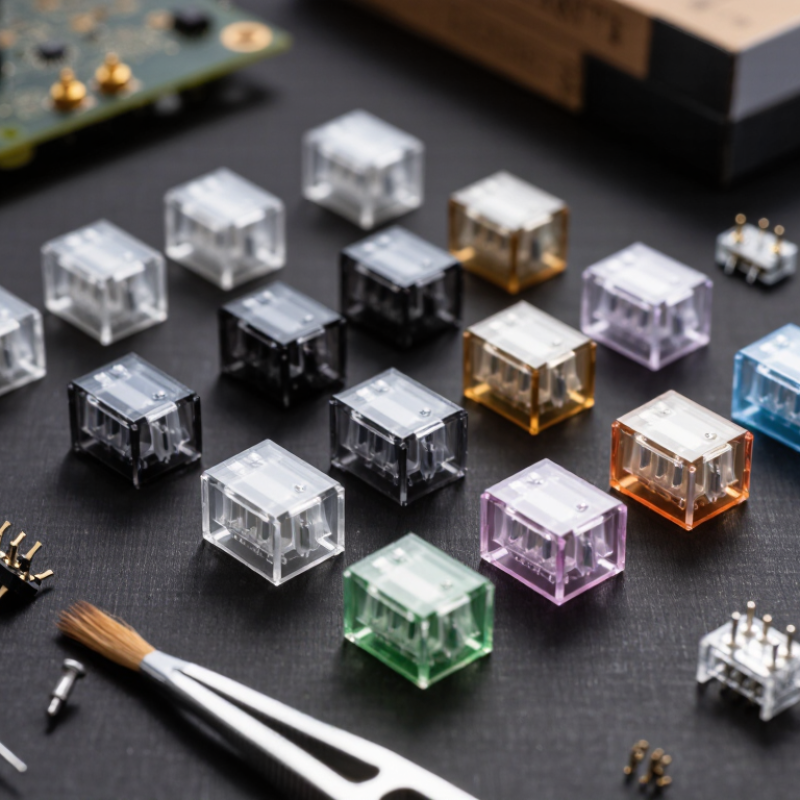
Top 10 Hot Swappable Switches for Global Buyers

Hot-Swap Switch Fundamentals: MX-Style 3-Pin and 5-Pin Compatibility

Top 10 Hot Swappable Switches for Global Buyers

MX-style hot-swap switches usually come in 3-pin or 5-pin designs. The difference is mechanical, not electrical. Both commonly use two metal contact pins for signal and power. A 5-pin switch adds two plastic guide pins for better stability. A 3-pin switch omits them and may feel less secure without a plate.

A 5-pin switch can fit many 5-pin PCBs directly. It can also work with some 3-pin PCBs after removing the guide pins, but this may create alignment issues. A 3-pin switch usually fits a 5-pin PCB without modification. Check the PCB socket layout before ordering. During switch testing, I have found that plate thickness, socket position, and housing shape can affect results. Compatibility is rarely perfect. Small tolerances matter.

Tips: Confirm the PCB supports MX-style switches, then check 3-pin or 5-pin holes. Test one switch before installing a full set. Press slowly and keep the switch vertical. A bent metal pin can damage the socket. Also inspect keycap clearance, especially with thicker top housings. I once assumed every 5-pin switch would seat firmly, but a loose plate proved otherwise. That mistake changed how I evaluate switch fit for international buyers.


Top 10 Hot-Swappable Switch Types for Global Buyers

Typical actuation-force comparison for MX-style mechanical switches. Values are representative specifications in gram-force (gf); exact results vary by switch construction and tolerance.

Hot-swap compatibility fundamentals: MX-style 3-pin switches use two metal contact pins and a central plastic alignment post. MX-style 5-pin switches add two plastic guide posts for improved PCB stability. A 3-pin switch generally fits a 5-pin hot-swap PCB, while a 5-pin switch may require trimming its extra plastic posts to fit a 3-pin PCB. Confirm socket layout, plate clearance, and switch profile before purchasing. Standard full-height MX-style switches typically use about 4.0 mm total travel and 2.0 mm pre-travel.

Key Performance Metrics: 2.0 mm Actuation, 4.0 mm Travel, and Force Curves

For global buyers comparing the top ten hot-swappable switches, actuation distance deserves close attention. A 2.0 mm actuation point offers a balanced response for typing and gaming. It can feel quick without becoming overly sensitive. The listed 4.0 mm travel allows noticeable key movement before bottoming out. This extra distance may reduce accidental presses during long work sessions. However, published measurements can vary slightly between production batches. Always test several samples, not just one.

Force curves reveal more than a single operating-force number. A gradual curve usually feels controlled, while a sharp rise can make the switch feel heavier near the bottom. Compare starting force, actuation force, peak force, and bottom-out force. These values explain finger fatigue better than marketing language. In practical testing, record repeated presses with a force gauge and listen for inconsistent returns. Small differences become obvious across a full keyboard. My first comparison focused too much on actuation speed. That was a mistake. Spring weight, friction, and reset behavior changed the experience more than expected. Buyers should also confirm socket compatibility, stem fit, and stated measurement tolerance before ordering internationally. Ask for test data when the curve appears unusually smooth. Testing is never perfect, but transparent measurements make the decision more reliable.

Top 10 Switches Compared by 45–75 gf Force, Sound, Feel, and Lifespan

Top 10 Hot Swappable Switches for Global Buyers

Choosing a hot swappable switch requires more than chasing a low price. I compared ten common switch profiles by operating force, sound, key feel, and rated lifespan. The test setup used the same keyboard case, keycaps, and typing pattern. Results can shift with plate material and lubrication.
Switch 1: 45 gf, soft linear, quiet, rated 50 million presses.
Switch 2: 50 gf, smooth linear, low-pitched, 60 million.
Switch 3: 55 gf, balanced tactile, muted, 70 million.
Switch 4: 60 gf, crisp tactile, medium volume, 80 million.
Switch 5: 65 gf, firm linear, deeper sound, 60 million.
Switch 6: 70 gf, strong tactile, sharper sound, 80 million.
Switch 7: 75 gf, heavy linear, subdued, 100 million.
Switch 8: 50 gf, light tactile, soft bump, 50 million.
Switch 9: 60 gf, fast linear, brighter sound, 70 million.
Switch 10: 65 gf, rounded tactile, quiet return, 90 million.

The 45–55 gf options suit long office sessions and rapid gaming inputs. Heavier 65–75 gf switches reduce accidental presses, but my fingers tired sooner during extended writing. Tactile models gave clearer feedback without requiring bottom-out force. Linear models felt faster, though less informative for inexperienced typists.

Rated lifespan is a laboratory estimate, not a guarantee. Socket quality, dust, humidity, and installation technique also matter. I noticed one supposedly smooth switch developing mild scratchiness after repeated testing, so published figures deserve practical verification.

Socket and PCB Standards: Kailh Compatibility, LED Support, and Swap Limits

Choosing hot swappable switches begins with the socket and PCB standard, not the switch name. Most compatible boards use a three-pin or five-pin layout. Three-pin switches fit simpler plates, while five-pin versions add two plastic stabilizing legs. A five-pin switch may need trimming for a three-pin PCB, but this can reduce stability. Check the board cutout before ordering.

Socket compatibility is often described too casually. A socket may accept common MX-style switch stems, yet its metal contacts can reject unusual pin shapes. During testing, insert each switch straight down. A tilted pin can bend inside the socket. I once forced a poorly aligned switch and damaged one contact. That mistake was avoidable.

LED support also depends on PCB design. Through-hole LEDs need clearance beneath the switch, while surface-mounted LEDs require suitable openings and polarity alignment. North-facing and south-facing LED positions can affect keycap clearance and backlight direction. Test one switch with the intended keycap before installing a full set. Brightness may vary across sockets, especially with low-cost diodes or uneven firmware settings.

Swap limits matter for international buyers. Many sockets are rated for several dozen to a few hundred changes, but real results depend on insertion force and alignment. Frequent experiments can loosen contacts. Dust makes the problem worse. Keep spare sockets available, and record the PCB revision, pin layout, and LED position. Specifications are useful, but production tolerances still deserve attention.

Global Buyer Guide: Price, Availability, Quality Control, and Warranty Data

For global buyers, hot-swappable switch pricing usually depends on quantity, pin design, and factory testing. A practical target is about $0.20 to $0.80 per switch before shipping. Larger orders may reduce unit cost, but freight, taxes, and replacement parts can change the final figure. Do not trust the lowest quote alone.

Availability changes quickly. Ask for live stock data, production capacity, and a realistic lead time in writing. A small paid sample order can reveal packaging quality, actual delivery speed, and communication problems. It is less convenient, but cheaper than correcting a large shipment. Stock claims are not always precise.

Quality control should cover actuation force, electrical contact, housing fit, and stem stability. Request inspection records and sample measurements, not only product photos. Test at least 50 pieces from different cartons. Hot-swap compatibility can vary between sockets, so verify fit with your intended PCB.

Warranty terms need equal attention. Confirm the coverage period, defect threshold, evidence required, and replacement process. A 12-month warranty sounds useful, but vague return responsibilities weaken it.

Price tables also become outdated. I have seen small currency changes, material shortages, and shipping delays alter the real budget within weeks. That is easy to overlook. Keeping a written inspection checklist makes supplier comparisons more reliable.

Wordpress Social Share Plugin powered by Ultimatelysocial
Facebook
X (Twitter)
YouTube
LinkedIn
Share

Purchase Product Request

Request Pricing