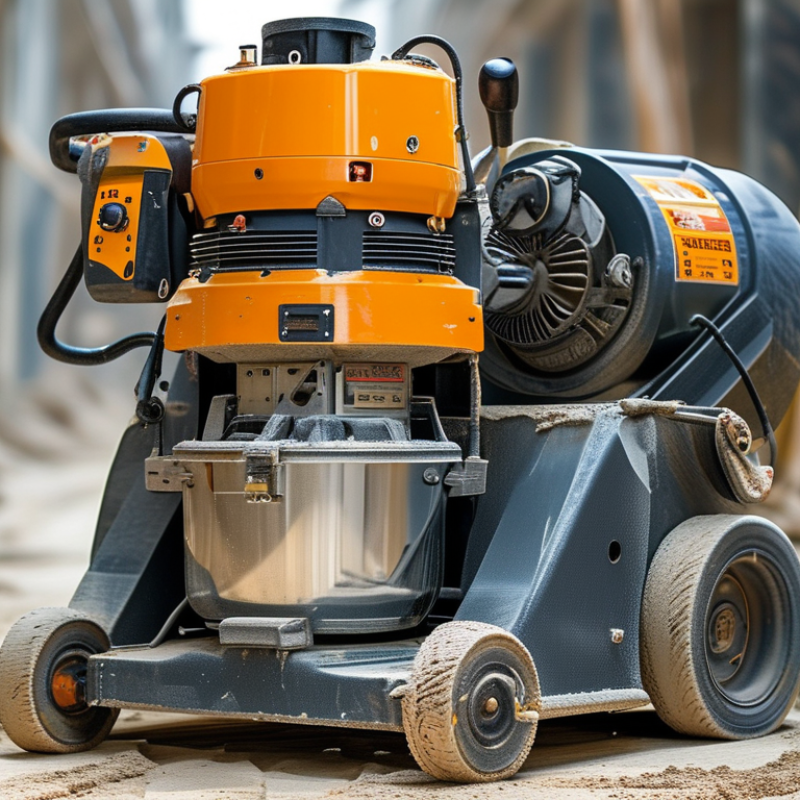
Top Tips for Choosing a Planetary Mortar Mixer for Your Needs
Choosing the right Planetary Mortar Mixer can greatly impact your projects. This equipment is essential for mixing various materials in construction. It ensures even consistency and reduces manual labor.
There are several factors to consider. Think about the mixer’s capacity and power. Different projects may require different sizes. Evaluate the material quality and durability. Selecting a reliable brand adds to your peace of mind.
Many users overlook maintenance requirements. A durable Planetary Mortar Mixer needs regular care. This choice affects longevity and performance. Understanding these details enhances your investment. Take your time in the decision-making process. Choosing wisely makes all the difference in achieving quality results.
Understanding the Basics of Planetary Mortar Mixers
When selecting a planetary mortar mixer, understanding its functionality is key. A planetary mixer operates by moving the mixing tool in a circular motion while also revolving around its axis. This dual action ensures thorough mixing, which is crucial for consistent material texture. The design allows for even dispersion of ingredients, reducing the risk of clumps. Such mixers are especially useful for heavy materials like mortar and concrete, making them a favorite in the construction industry.
Consider the size and capacity of the mixer based on your projects. Larger models can handle big batches, saving time on repetitive mixing. However, too large a mixer can be impractical for small jobs. Evaluate the power requirements too; a more powerful motor can handle tougher materials more effectively. Pay attention to the build quality and materials used in the mixer. Sturdy construction can mean a longer lifespan. While advanced features can enhance usability, they can also complicate maintenance. Regular cleaning and upkeep are necessary to avoid issues later on. Finding the right balance between features and ease of use is essential.
Key Features to Consider When Selecting a Mixer
When selecting a planetary mortar mixer, consider its capacity. A higher capacity can handle larger batches efficiently. However, larger models may require more space. Think about your production needs and workspace limits.
The mixing mechanism is another key feature. Planetary mixers have arms that rotate around a central axis. This design promotes thorough mixing. Check the speed settings available. More options can provide flexibility for various materials.
Durability is crucial. Look for mixers made from robust materials. A strong build ensures longevity, reducing costs in the long run. Think about maintenance as well. Some models require more care than others. Reflect on the balance between convenience and the effort needed to maintain the equipment.
Determining the Right Size and Capacity for Your Needs
Choosing the right size and capacity for a planetary mortar mixer is crucial for effective mixing operations. A mixer that is too small may struggle to meet your production needs. For example, if you frequently mix large batches, you might find that a smaller capacity model cannot keep up. This could lead to delays and compromised quality. It's essential to analyze your typical project sizes carefully before making a decision.
Conversely, opting for a mixer that is larger than necessary can lead to inefficiencies. A machine that is too big may waste energy and resources. It can also become difficult to handle and transport. Additionally, more complex models might lead to confusion and operational issues. Balancing your needs with your workspace and budget is critical in choosing the right mixer size. Make sure to account for future growth as well. Reflecting on your current and projected workload helps ensure that you make a wise investment.
Top Tips for Choosing a Planetary Mortar Mixer for Your Needs
| Feature | Description | Recommended Size/Capacity |
| Mixing Capacity | The total amount of material the mixer can handle in one batch. | 5 to 15 liters for small projects, 20 to 50 liters for medium, 100 liters and above for large. |
| Power Rating | The motor power that influences the efficiency of mixing. | 0.5 HP for light use, 1 HP for general use, 2 HP and above for heavy-duty work. |
| Bowl Material | Material of the mixing bowl which affects durability and ease of cleaning. | Stainless steel is preferred for durability; plastic is lighter but less durable. |
| Speed Settings | Number of adjustable speed options for different materials. | Variable speeds are recommended for versatile mixing requirements. |
| Weight | The overall weight impacts mobility and stability during use. | Lightweight (< 30 kg) for easy transport; heavier (> 50 kg) for stability. |
Evaluating the Mixing Efficiency and Quality Standards
When selecting a planetary mortar mixer, mixing efficiency is paramount. A well-designed mixer blends materials evenly, which is crucial for achieving consistent results. Look for models with multi-directional mixing capabilities. This design allows for better integration of components. The impact of mixing quality cannot be overlooked. Subpar mixing can lead to uneven texture and inadequate bonding in the final product.
It's essential to evaluate quality standards during your selection process. Consider mixers that adhere to established industry benchmarks. A reliable mixer should offer durable construction and a user-friendly interface. Nevertheless, some mixers may have inconsistent performance, requiring a closer inspection of user reviews. Don't be swayed by flashy marketing; balance features with real-world effectiveness.
Think about your specific needs as well. Different applications may require different levels of mixing power. Mixing small batches and larger quantities can vary significantly in performance. Take the time to assess your requirements. Mistakes often stem from selecting an ill-suited mixer for distinct tasks. Prioritize functionality over brand loyalty to make an informed choice.
Comparing Costs: Budgeting for a Planetary Mortar Mixer
When considering a planetary mortar mixer, budgeting is crucial. The price range can vary significantly based on features and size. Basic models start around $3,000, while advanced ones can exceed $10,000. Understanding your needs is essential for making the right investment. You should weigh the cost against expected output and durability.
According to recent industry reports, maintenance costs also play a role. Regular servicing can amount to 10-15% of the initial investment each year. In commercial settings, downtime due to equipment failure can be costly. A poorly chosen mixer can lead to inefficient operations and frustrating delays.
Not all mixers offer the same efficiencies. Some may provide better blending but at a higher initial cost. Conversely, cheaper options might lead to inconsistent results. Balancing initial expenses with long-term performance is key. Investing wisely ensures your operation remains competitive and productive.