Top Tips for Choosing a Headlamp With Sensor Technology?
Choosing the right headlamp can significantly enhance your outdoor experiences. A Headlamp With Sensor technology is at the forefront of modern lighting solutions. Its intelligent features not only provide convenience but also adapt to your environment.
When selecting a headlamp with sensor capabilities, consider factors like brightness, battery life, and comfort. Sensor technology allows for hands-free operation, automatically adjusting brightness based on surroundings. This innovative feature proves handy during various activities, from camping to running at night. However, it is essential to ensure the sensor works effectively in all scenarios.
Trustworthy brands offer reliable options in the market. Research user reviews and expert opinions before making a decision. While sensor technology adds ease, it is not foolproof. Users should be aware of the potential for sensor failure in specific conditions. Proceeding with caution will guide you in choosing the best headlamp with sensor that meets your needs.
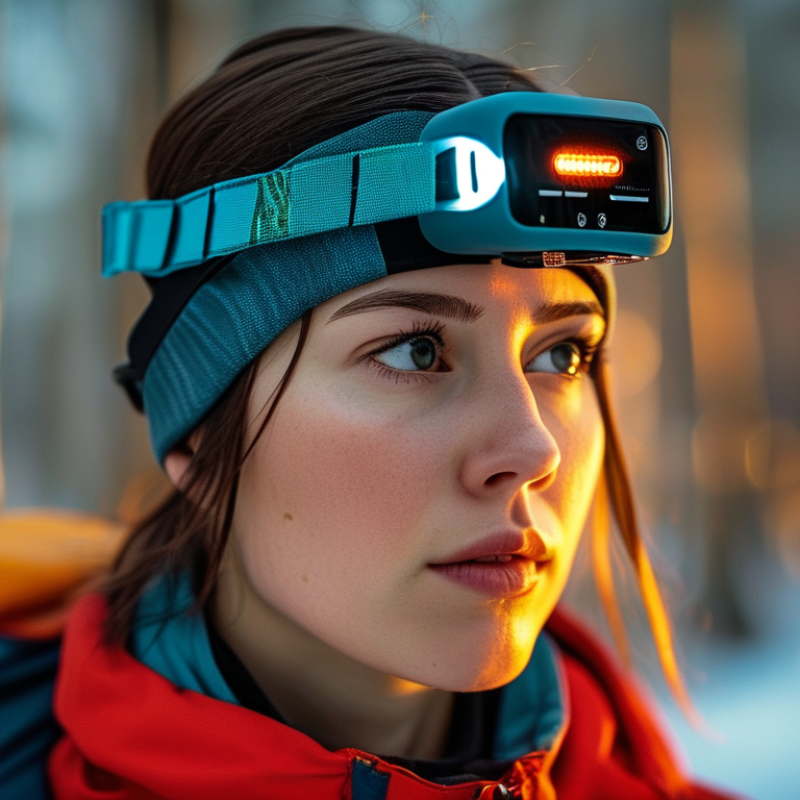
Understanding Sensor Technology in Headlamps
When choosing a headlamp with sensor technology, understanding how the sensor works is crucial. Sensor technology allows the headlamp to adjust brightness based on your environment. For example, when you enter a dark area, the lamp brightens automatically. This feature enhances battery life and improves visibility in varying conditions. It feels like having a personal assistant managing your light needs.
The most common sensors in headlamps are motion and ambient light sensors. Motion sensors detect when you're close and turn on, saving energy when not in use. Ambient light sensors assess surrounding brightness. They adapt the light output, providing an efficient solution for outdoor adventures. However, sometimes these sensors may misjudge the environment. This can lead to unexpected dimming or brightening.
Choosing a headlamp also involves considering the sensor's reliability. In practical use, you might find the sensor responding too slowly in low-light situations. Testing the response time in actual conditions can be beneficial. These small but critical details can significantly impact your overall experience. Think about your specific activities and preferences. Try several models to find the one that truly fits your needs.
Top Tips for Choosing a Headlamp With Sensor Technology
| Feature | Description | Importance Level |
| Sensor Technology Type | Active sensor vs Passive sensor that detects motion to turn on/off. | High |
| Beam Distance | How far the light can project, essential for outdoor activities. | High |
| Weight | Lightweight models are preferable for long use without discomfort. | Medium |
| Battery Life | Duration the headlamp lasts on one charge, crucial for trips. | High |
| Adjustability | Ability to adjust brightness levels and focus beam. | Medium |
| Water Resistance | Protection against moisture, important for outdoor and wet conditions. | High |
| Price | Range of prices; a balance between cost and functionality is key. | Medium |
Key Features to Look for in a Headlamp with Sensors
When choosing a headlamp with sensor technology, consider critical features to enhance your experience. Look for adjustable brightness levels. This allows you to customize the light intensity. Different activities require varying levels of brightness. A good range improves versatility.
A reliable motion sensor is essential. It should detect your presence effectively. An overly sensitive sensor may lead to unwanted activation. Balance is key. Check battery life, too. A long-lasting battery ensures you won't be left in the dark unexpectedly.
Another feature is weight and comfort. A lightweight design reduces neck fatigue during extended use. Test the headband for comfort. A poorly fitting headlamp can be distracting. Finally, consider waterproof ratings. They are vital for outdoor activities. Being aware of these aspects helps in making an informed decision.
Evaluating Battery Life and Performance in Sensor Headlamps
When selecting a headlamp that features sensor technology, battery life and performance must be top priorities. Research indicates that the average battery life of sensor-enabled headlamps can range from 10 to 30 hours, depending on usage. Some models can even enhance battery efficiency by adjusting brightness based on ambient light. This technology helps to maximize the lifespan of the battery, which is essential for extended trips or emergency situations.
Moreover, users often overlook the impact of temperature on battery performance. A study conducted in 2021 found that operating temperatures as low as 32°F could reduce a lithium-ion battery’s effectiveness by up to 30%. This emphasizes the importance of testing headlamps in various conditions before making a purchase. Performance metrics in sensor headlamps also vary. If light detection is too sensitive, it might lead to frequent adjustments, which can be distracting during critical tasks.
Durability and charging methods are also worth considering. Many headlamps offer USB charging, which is convenient but may compromise its ruggedness. Reports show that models with replaceable batteries tend to perform more reliably under extreme conditions. Understanding these factors can prevent users from experiencing unexpected failures during vital activities, such as hiking or camping.
Assessing Comfort and Fit for Extended Use of Headlamps
When selecting a headlamp with sensor technology, comfort and fit are essential for prolonged use. A headlamp should feel secure yet not restrictive. Look for adjustable straps that allow for a personalized fit. A well-balanced weight distribution is also crucial. A headlamp that is too heavy can cause fatigue over time. This may make outdoor adventures less enjoyable.
The material of the headband matters too. Soft, breathable fabrics can enhance comfort, especially during extended wear. Consider how the headlamp sits against your forehead. Cushioned padding can minimize pressure points, leading to a more pleasant experience. Testing different models is advisable; what feels comfortable for one person may not for another.
Reflect on your own experiences. Have you faced discomfort while using a headlamp? Were there adjustments you could have made? Identifying these factors will guide you in your search. Prioritizing comfort can enhance your outdoor activities significantly. The right choice can turn potential frustration into a seamless experience.
Comparing Price Points and Value for Sensor Technology Headlamps
When exploring headlamps with sensor technology, price points and value are crucial considerations. The cost of these headlamps can vary dramatically, influenced by features such as battery life, brightness, and sensor sensitivity. Typically, you’ll find budget options that provide basic functionality. Yet, they might not have the advanced sensors that offer automatic light adjustment.
In contrast, premium models often come packed with features like motion sensors, which enhance usability in different environments. These higher-end options generally have better durability and longer lifespans, but they necessitate a larger investment. This leads to a dilemma: is it worth spending more for additional features? Sometimes, opting for a mid-range option can offer a balance between affordability and functionality. However, it’s easy to overlook how even a small investment can lead to significant advantages in specific situations, like camping or nighttime hiking.
It’s important to reflect on your needs. Assess how frequently you will use the headlamp and in what contexts. If you hike often, investing in a model with robust sensor technology could improve your experience immensely. But, for occasional use, a more straightforward model may be just fine. Ultimately, understanding your priorities will guide you in making a more informed decision.