Essential Tips for Choosing Commercial Door Lock Hardware?
When selecting Door Lock Hardware Commercial, businesses must consider various factors. Security is paramount, as unreliable locks can lead to breaches. Each type of lock offers different levels of protection. Some may require advanced technology, while others rely on mechanical strength.
A well-chosen door lock can enhance both safety and convenience. Look for features like keypad access or smart technology. These options offer flexibility and improve access control. However, it is crucial to understand the limitations of each lock type. What may seem secure today might not be tomorrow.
Choosing the right door lock hardware is not just about security. It’s also about compliance with industry standards. Investing time in research pays off in the long run. Speak with security experts if needed. Their insights will help you make informed decisions. Ultimately, the right choice will balance security, cost, and functionality effectively.
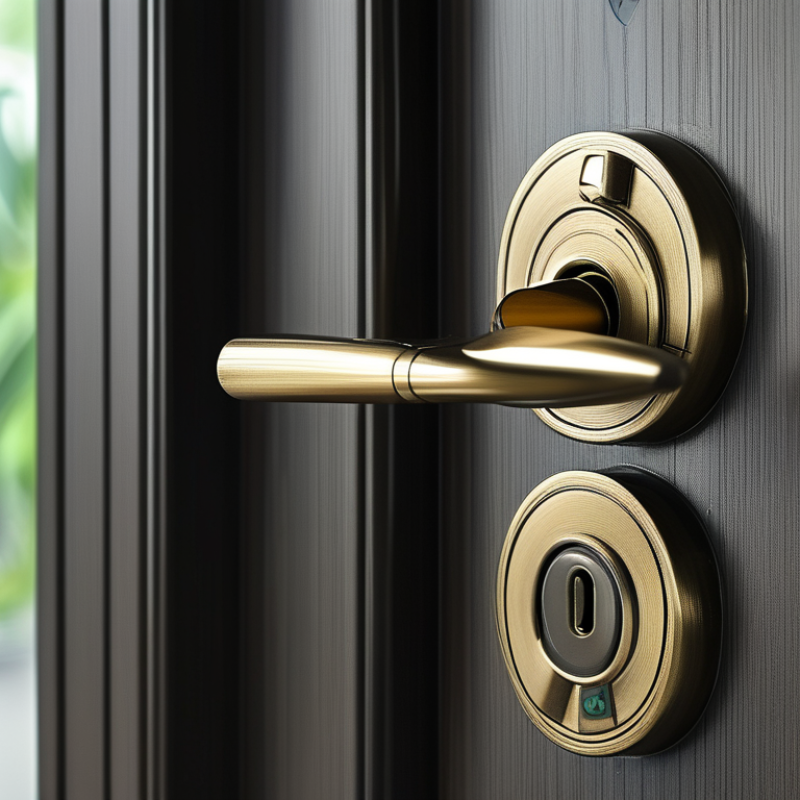
Understanding the Different Types of Commercial Door Locks
When choosing commercial door locks, understanding the different types is crucial. There are several options available, each with unique features. Deadbolts are sturdy and secure. They require a key or thumb turn to operate, providing excellent protection against forced entry. However, they might not be ideal for high-traffic areas due to their slower access times.
Another option is lever locks. They are user-friendly and allow quick access, often found in office settings. These locks can be combined with keyless entry systems for added convenience. However, they might not provide the same level of security as deadbolts.
Finally, electronic locks are becoming popular. They offer advanced security features, such as remote access and audit trails. These systems can be convenient, but they require regular maintenance and battery checks. Balancing security and accessibility is key when selecting the right lock. It's essential to assess your needs and the vulnerabilities of your facility. Consider these factors carefully to make an informed choice.
Evaluating the Security Levels of Door Lock Hardware
When evaluating the security levels of door lock hardware, understanding grading standards is crucial. The American National Standards Institute (ANSI) defines three grades for locks: Grade 1, 2, and 3. Grade 1 locks offer the highest level of security, resisting forced entry and tampering. According to a 2021 security study, homes and businesses equipped with Grade 1 locks experienced 30% fewer break-ins than those with lower-rated locks.
Consider the material of the lock as well. Heavy-duty steel is common in high-security locks. Locks made from cheaper materials are often easier to bypass. Data shows that low-cost locks are 50% more likely to fail during a forced entry attempt. Additionally, assess the type of key system used. High-security locks typically employ restricted keyways, which limit unauthorized duplication.
Keep in mind that many commercial establishments underestimate the importance of door lock maintenance. Regular checks can reveal any wear or inadequacies. A survey found that 60% of businesses do not inspect their lock systems frequently enough, leading to vulnerabilities. Investing time in these evaluations ensures long-term safety and security for your premises.
Factors to Consider for Commercial Door Lock Installation
When selecting commercial door lock hardware, installation factors play a crucial role. First, the security level required for your facility significantly impacts your choice. According to a report by the Security Industry Association, about 30% of break-ins occur through unsecured doors. This statistic highlights the importance of reliable locks.
Next, consider the door material. Steel doors may require stronger locks compared to wooden ones. A study from the Door Security and Safety Foundation found that compatibility between door and lock hardware increases effectiveness. Installing high-quality locks on weak doors can be a waste of resources.
Size and type of the door frame can also influence installation. Improperly sized locks may fail to operate correctly, leading to vulnerabilities. Furthermore, ensuring that the lock aligns properly with the door frame is essential. A misaligned lock may compromise security and lead to frequent repairs. Taking time to assess these factors will lead to better decision-making in securing your commercial property.
Maintenance Tips for Ensuring Durability of Door Locks
Maintaining door locks is crucial for security. Regular checks can prevent unexpected failures. Dust and grime can hinder lock performance. Use a soft cloth to wipe locks occasionally. This simple action extends their life.
Lubrication is essential. Applying a graphite lubricant keeps mechanisms running smoothly. Avoid oil-based lubricants; they attract dirt. A few drops are enough for optimal performance. Additionally, test the keys regularly. A worn-out key can damage the lock.
Consider temperature fluctuations. Extreme heat or cold can affect metal components. Inspect locks during seasonal changes. If you notice stiffness, it’s time for attention. Sometimes, you might overlook small issues until they escalate. Consistent maintenance offers peace of mind and ensures reliability.
Budgeting for Commercial Lock Hardware: What to Keep in Mind
When budgeting for commercial lock hardware, consider both upfront and long-term costs. Quality locks often require a higher initial investment but can save money over time. Cheaper options may fail sooner, necessitating more replacements and repairs. Evaluate the frequency of use and the level of traffic your doors experience. This will help you choose locks that fit your specific needs without overspending.
It’s also essential to account for installation costs. Some locks require professional installation, adding to your budget. DIY installation might seem cost-effective, but improper setup can lead to security breaches. Consider potential maintenance expenses as well. Regular upkeep can extend the life of your locks. Researching maintenance needs upfront can uncover hidden costs later.
Another factor to weigh is the type of locking mechanism. Electronic locks can offer advanced security features, but they tend to be pricier. Balancing security needs with budget constraints can be challenging. It’s advisable to consult with a locksmith or security expert for tailored recommendations. Their insights can illuminate potential pitfalls in your choices and guide you toward better investments. Choosing commercial lock hardware is about finding the right balance between cost and security.