10 Tips for Buying Electrical Sockets

Choosing Electrical Sockets is not just a matter of matching a color to your walls. The right choice depends on the room, the devices you use, and the electrical system already in place. A kitchen socket beside a countertop may face very different demands from one in a quiet bedroom. Small details matter.

Before buying, check the socket type, rated voltage and current, terminal design, and compatibility with your wiring. Look for clear product specifications and applicable safety certification, rather than relying on appearance or a low price alone. Protective shutters, grounding, USB ports, and splash-resistant designs can be useful, but only when they suit the location and installation. Features are not automatically benefits.

Think about daily use, too. Count the appliances that need power, consider where their cords will reach, and leave enough room for larger plugs. For a renovation, take a photo of the existing outlet and note any markings; it is easy to forget a small detail at the store. I would not guess about wiring. Ask a qualified electrician to confirm compatibility and handle installation when needed.

The ten tips below will help you compare products with more confidence, from basic fit and safety checks to practical features and long-term durability. No socket is perfect for every home. The useful choice is the one that fits your system, your room, and the way you actually live.
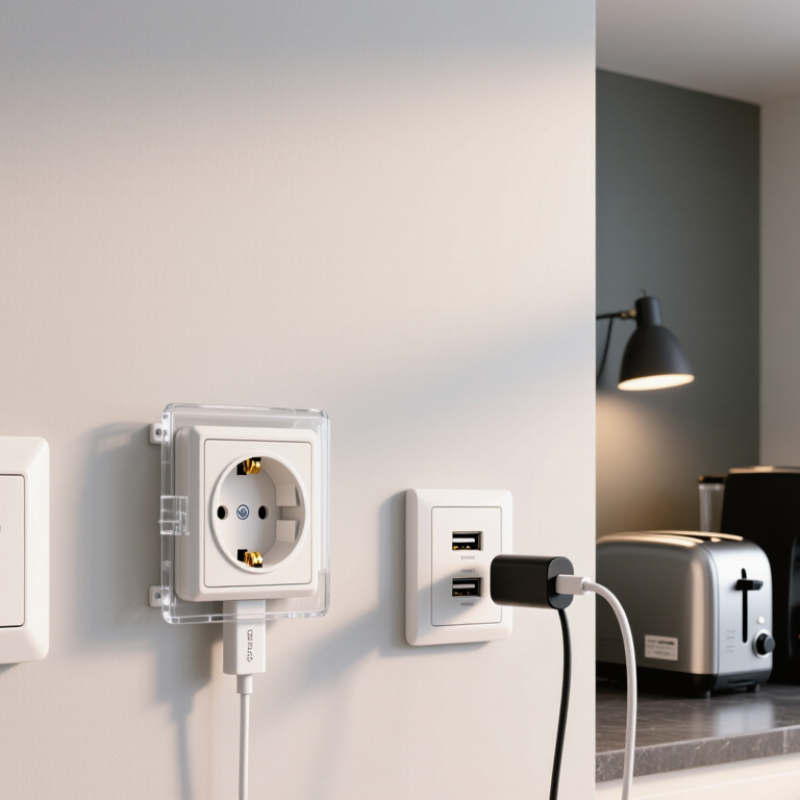
10 Tips for Buying Electrical Sockets

Identify Your Electrical Needs and Intended Socket Locations

Before choosing electrical sockets, list the devices you use in each room. A bedside table may need space for a lamp, phone charger, and reading light. In a kitchen, note where small appliances sit and whether they run at the same time. Check each device’s plug and power requirements rather than guessing from its size. Measure twice. A socket hidden behind a cabinet is rarely convenient.

Mark likely socket positions on a room sketch, then compare them with furniture, doors, and work surfaces. Near a desk, place outlets where cables will not cross a walking path. In living areas, consider both the television and the places where people actually sit. Leave practical access for cleaning and unplugging devices. Small details matter. I once overlooked a floor lamp’s cable reach; the nearest outlet was technically close, but awkward to use.

Think about future changes, too. A spare outlet can help when a room gains a desk or another appliance, but more is not automatically better. Damp areas and high-load equipment may require specific socket types, placement, or circuit arrangements under local rules. Confirm those details with a qualified electrician before buying. A quick site check can reveal constraints that a shopping list misses, such as existing wiring, wall construction, or furniture that cannot move.


Compare Socket Types, Outlet Configurations, and Useful Features

Socket choice starts with the appliance, room, and local electrical standard—not the faceplate. Match the socket type to plug shape, voltage, and current rating; a loose fit can heat up under load. Grounded outlets suit many modern appliances, while specialty sockets may be needed for particular equipment. In damp locations, check that the outlet provides appropriate ground-fault protection, and ask a qualified electrician to confirm compatibility. Fit matters. Check the label.

Compare outlet configurations by daily use: a duplex outlet handles two plugs, while USB-integrated or multi-gang plates can reduce adapter clutter. Check spacing before buying; bulky chargers may block neighboring sockets. Tamper-resistant shutters can help limit access to energized contacts, while weather-resistant covers are designed for exposed locations when installed correctly. Surge protection can benefit sensitive electronics, but it cannot replace sound wiring. NFPA’s Home Electrical Fires report estimates that electrical distribution or lighting equipment was involved in 32,620 U.S. home structure fires annually from 2015 to 2019, causing 430 deaths. This includes more than socket-related incidents, but it highlights why secure connections matter. I would not choose by feature count alone; one extra USB port may be less useful than a correctly rated, firm-fitting outlet.

10 Tips for Buying Electrical Sockets - Compare Socket Types, Outlet Configurations, and Useful Features

Tip Socket or Outlet Type Configurations and Features What to Check Before Buying
1. Match the local standard Country-specific socket and plug system Socket shape, voltage, frequency, and wiring practices vary by country. Choose products approved for the installation location and compatible with local plugs and electrical regulations. An adapter does not convert voltage.
2. Select the right number of outlets Single, duplex, or multi-outlet unit A single outlet serves one plug; a duplex outlet provides two receptacles in one device. Multi-outlet designs can reduce the need for plug-in splitters. Consider plug size and spacing. The number of receptacles does not increase the circuit's safe capacity.
3. Check the rating and circuit Common North American 15 A or 20 A receptacles; other regions use different ratings The correct rating depends on the circuit, wiring, and applicable electrical code. Do not assume a higher-rated outlet makes a circuit capable of carrying more current. Have a qualified electrician verify compatibility when unsure.
4. Prefer grounded outlets where required Grounded receptacle A grounding connection provides a protective path for fault current in installations designed for it. A receptacle with a ground contact does not prove that the wiring is grounded. Never remove or bypass the grounding pin; ask an electrician to assess older wiring.
5. Consider GFCI or RCD protection GFCI receptacle or an outlet protected by an RCD These devices are designed to disconnect power when they detect certain leakage-current conditions. Terminology and requirements differ by region. Protection is required in particular locations under many local codes, often including wet or outdoor areas. Follow local rules and test devices as instructed.
6. Check for tamper-resistant protection Tamper-resistant receptacle Internal shutters are designed to resist insertion of objects into only one slot. Useful in homes with children and required in some locations by local codes. It is a safety feature, not a substitute for supervision.
7. Choose outdoor-rated components for exposed areas Weather-resistant receptacle with a suitable cover or enclosure Weather-resistant construction and a properly matched cover help protect against moisture and environmental exposure. Check the product's intended location and enclosure rating. An outdoor installation may also require GFCI/RCD protection under local code.
8. Compare USB outlet specifications Outlet with integrated USB charging ports USB-A and USB-C options are available; charging speed and total output vary by model and may be shared across ports. Check supported charging standards, maximum output, and simultaneous-port performance. USB ports do not replace the AC receptacles.
9. Match special formats to the room Switched, floor, pop-up, or recessed outlet These formats can suit lamps, floor areas, worktops, or spaces where plugs would otherwise protrude. Confirm mounting depth, box compatibility, access, and suitability for the surrounding surface. Floor and countertop installations need products intended for those locations.
10. Verify fit, quality, and certification Any replacement or new-installation outlet Useful considerations include terminal type, device depth, faceplate fit, clear instructions, and recognized safety certification for the market. Check the box and wiring compatibility and buy a product certified to applicable local standards. Installation should be performed by a qualified person when required.

Safety note: Electrical requirements vary by country and installation. Check local electrical codes and product instructions; consult a qualified electrician for selection or installation if you are uncertain.

Check Voltage, Current Ratings, and Plug Compatibility

Ratings
A socket can look right and still be electrically wrong. Match its voltage rating to the supply and appliance, then check current ratings on both the socket and appliance label. A 16 A socket should not serve a load requiring more than 16 A. The circuit rating matters too; a high-rated socket cannot increase the circuit’s capacity. Check the label. That small detail is easy to miss.

Compatibility
Plug compatibility means more than matching pin shapes. Confirm the plug fits the socket system, and check earthing, polarity, and frequency where relevant. Never force a plug or rely on a loose adapter to make incompatible parts work. IEC 60884-1:2022 covers household plugs and socket-outlets rated up to 440 V AC and 32 A, but those are the standard’s limits, not a guarantee that any particular socket supports them. A snug fit can feel reassuring, but it proves very little.

Fire safety
The NFPA report Home Electrical Fires (2015–2019) estimated an annual average of 46,700 U.S. home fires involving electrical failure or malfunction. That figure includes many causes, not just sockets, but it makes careful component selection worthwhile. Compare the socket’s printed voltage and amperage with the appliance label and the circuit information.

If ratings are missing, unclear, or inconsistent, pause and ask a qualified electrician. I used to think matching the plug shape was enough. It isn’t.

Review Safety Certifications, Materials, and Build Quality

Safety certifications deserve more than a glance at the packaging. Check that the socket carries a recognized certification mark for your region, and verify that the mark applies to the exact model. Standards vary between countries. A symbol that looks official is not enough; consult the certifying body’s public records when details are unclear. Small details matter.

Materials affect both durability and heat resistance. A robust faceplate should feel even and free of cracks, sharp edges, or loose seams. Look for product information describing heat-resistant, flame-retardant insulation and sturdy metal contacts. Brass or copper-alloy components are common, but clear specifications matter more than impressive-sounding material claims. Not always obvious.

Build quality is easier to judge on an unplugged sample. Check whether the cover sits straight and the switch moves cleanly without sticking or rattling. Look for secure-looking terminals and consistent molding, but never open or handle a wired socket to inspect them. I can be tempted by a polished finish; that alone tells me little about what is inside. If the markings or construction seem uncertain, ask a qualified electrician to assess the product before installation.

How to use this chart: These editorial priority scores (1–5) are a suggested checklist, not test results or a universal ranking. Certification requirements vary by country; check that the socket carries approval from a recognized authority in your region.

Plan Professional Installation and Future Maintenance

Plan socket installation around future needs, not only today’s furniture. A qualified electrician can check circuit capacity, earthing, protective devices, and wall condition before work begins. In older homes, a new outlet may reveal overloaded wiring instead of solving the problem. Keep sockets away from likely water, heat, and impact, following local requirements. Leave access for inspection. Avoid hiding junctions behind fixed cabinets.

NFPA’s Home Electrical Fires report found an average of 32,620 U.S. home fires each year involving electrical distribution or lighting equipment during 2015–2019. This category is broader than sockets, so it is not a socket-failure estimate. Still, it supports careful installation and maintenance. Ask the electrician to label circuits and record outlet locations and any wiring changes. Keep those notes with the property documents. Even a tidy plan can miss something. During normal use, watch for warm faceplates, buzzing, discoloration, or plugs that feel loose. Stop using a suspect socket and arrange a professional inspection; don’t wait for the next renovation.

Wordpress Social Share Plugin powered by Ultimatelysocial
Facebook
X (Twitter)
YouTube
LinkedIn
Share

Purchase Product Request

Request Pricing