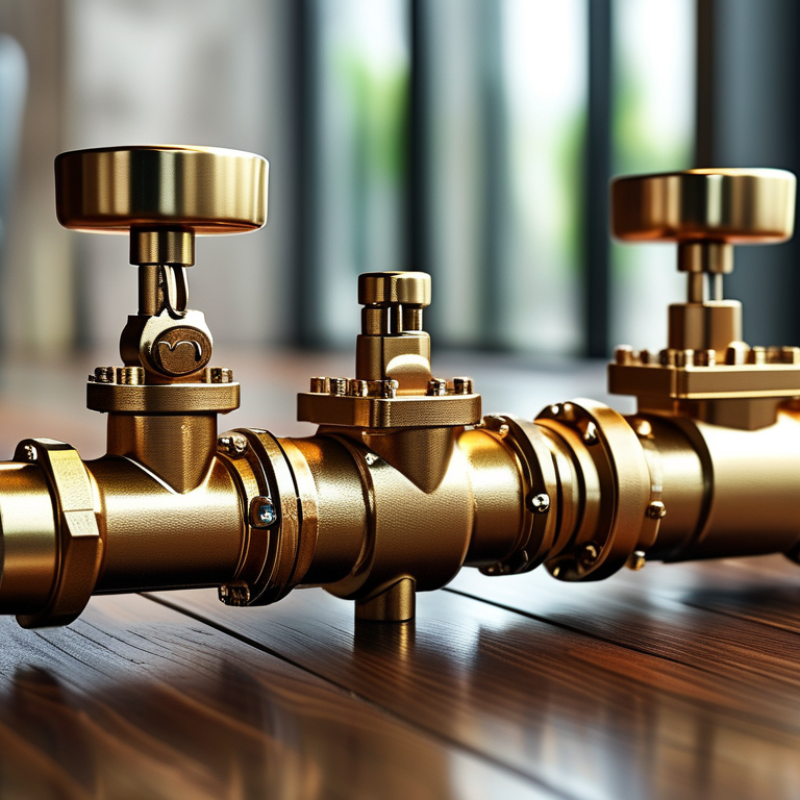
Why Choose a Static Balancing Valve for Your HVAC Needs?
When it comes to HVAC systems, choosing the right components is crucial. One significant option is the Static balancing valve. This valve ensures that water flow remains consistent throughout the system. It balances the pressure and optimizes energy consumption, directly impacting efficiency.
Experts agree that a static balancing valve can enhance overall performance. These valves help maintain ideal temperatures in various zones. Their ability to regulate flow reduces energy waste. A well-balanced system translates to cost savings and increased comfort.
However, not all HVAC systems require this valve. In some cases, the investment may not yield substantial benefits. It's essential to assess your specific needs. Engaging with a qualified professional can provide valuable insights. Ultimately, the decision should align with your goals for energy efficiency and comfort.
Understanding Static Balancing Valves and Their Functionality
Static balancing valves play a crucial role in HVAC systems. These devices ensure that water flow is balanced throughout the system. Proper water distribution enhances system efficiency. According to the American Society of Heating, Refrigerating and Air-Conditioning Engineers (ASHRAE), an unbalanced system can lead to energy wastage of up to 30%.
The functionality of static balancing valves is quite straightforward yet impactful. They are designed to maintain a set flow rate, regardless of pressure fluctuations. This stability improves comfort levels in buildings by avoiding hot or cold spots. A study by the U.S. Department of Energy demonstrated that HVAC systems equipped with balancing valves can reduce energy consumption by 15% to 20%. However, many installations still overlook these valves, leading to inefficiencies and increased operational costs.
Reliability is inherent in static balancing valves, but installation and maintenance require expertise. Improper setup may negate their benefits. Inspecting these valves periodically is essential for maintaining optimal performance. Many reports highlight that regular maintenance can extend the lifespan of HVAC systems significantly. Acknowledging areas for improvement is key to maximizing the efficiency of any HVAC installation.
The Importance of Balancing in HVAC Systems
Balancing an HVAC system is crucial for its efficiency and performance. When systems are unbalanced, certain areas can become too hot or too cold. This imbalance leads to discomfort and increased energy bills. A static balancing valve can help achieve a more uniform distribution of air or water throughout the system.
Using a static balancing valve allows for precise control of flow rates. This ensures that every room receives the right amount of heating or cooling. However, improper installation or adjustment of these valves can lead to issues. It’s important to have trained professionals handle the setup. Routine checks are necessary to ensure these valves function properly over time.
Additionally, balancing isn’t just about comfort; it impacts system longevity. An unbalanced system can strain components, leading to faster wear and tear. While static balancing valves are effective, they require ongoing attention. Building operators should be aware of signs that indicate potential issues. Recognizing these signs can save money and enhance system reliability.
Importance of Static Balancing Valves in HVAC Systems
The following chart illustrates the benefits of using static balancing valves in HVAC systems, emphasizing their impact on energy efficiency, comfort, and system longevity.
Benefits of Using Static Balancing Valves
Static balancing valves are essential for efficient HVAC systems. They help maintain proper water flow across heating and cooling coils. This ensures that each zone of your building receives the correct amount of heating or cooling. Ultimately, this leads to improved comfort and energy savings.
One major benefit of static balancing valves is their ability to eliminate pressure fluctuations. These fluctuations can cause discomfort and reduce system efficiency. Static valves can be easily adjusted, which allows for precise control over flow rates. This is crucial for optimizing system performance. Regular maintenance and timely adjustments can prevent imbalances that lead to energy waste.
Tip: Always check the pressure settings regularly to keep your system running smoothly. Balancing valves also contribute to lower maintenance costs over time. They minimize wear and tear on pumps and other mechanical components. However, improper installation can lead to issues. Engaging an experienced technician for setup is crucial. A well-balanced HVAC system not only provides comfort but can also extend the life of your equipment.
Comparison Between Static and Dynamic Balancing Valves
When selecting a balancing valve for HVAC systems, understanding the difference between static and dynamic balancing valves is crucial. Static balancing valves are designed to maintain a fixed flow rate, ensuring consistent performance. They are particularly effective in systems where flow demands do not change frequently. This fixed nature can lead to simpler system designs and easier installations.
In contrast, dynamic balancing valves adjust flow rates automatically based on system conditions. They can provide benefits in more complex systems where variable loads are common. However, they can also lead to increased costs and maintenance requirements. Choosing between them depends on the specific needs of the HVAC system and budget considerations. Static valves might require recalibration in fluctuating conditions, while dynamic valves may need regular checks to ensure their mechanisms function properly.
Consider the trade-offs carefully. Static valves offer reliability in a stable environment but may struggle under variable conditions. Dynamic valves provide adaptability but come with complexity. Assessing your system's characteristics and flow dynamics is essential for optimal selection. Sometimes, a mix of both may even be the best approach.
Installation and Maintenance Considerations for Static Balancing Valves
When considering static balancing valves for HVAC systems, installation plays a critical role. Proper installation ensures the system operates as intended. Misalignment can lead to uneven airflow and energy inefficiencies. According to the American Society of Heating, Refrigerating, and Air-Conditioning Engineers (ASHRAE), incorrect valve sizing can result in energy losses upwards of 25%. It is crucial to follow the manufacturer’s guidelines closely to avoid these pitfalls.
Maintenance of static balancing valves is equally vital. Regular inspection helps identify wear and tear early. A study by the Air Conditioning and Refrigeration Institute (ARI) indicates that routine maintenance can extend the lifespan of HVAC components by 30%. Simple actions, like checking for leaks and ensuring proper calibration, can significantly enhance system performance. Without this care, systems can become less reliable over time, leading to costly repairs.
Incorporating feedback from technicians can also improve practices. Unrecognized issues might arise from overlooked details. Therefore, it's important to encourage open communication during installation and maintenance. This collaborative approach can help identify potential improvements and reduce mistakes. By prioritizing thoughtful installation and diligent maintenance, the performance of static balancing valves can be optimized, maximizing overall HVAC efficiency.
Why Choose a Static Balancing Valve for Your HVAC Needs? - Installation and Maintenance Considerations for Static Balancing Valves
| Feature | Importance | Installation Considerations | Maintenance Tips |
| Flow Regulation | Ensures optimal HVAC performance | Install in accessible locations for easy adjustments | Regularly check for leakage and seal integrity |
| Energy Efficiency | Reduces energy costs by optimizing flow rates | Consider system pressure before installation | Inspect performance metrics periodically |
| Durability | Long lifespan with minimal wear | Use quality materials to ensure longevity | Clean valve parts to prevent corrosion |
| Cost-Effectiveness | Reduces operational and maintenance costs | Balance installation costs with long-term savings | Establish a routine maintenance schedule |
| User Control | Allows precise adjustment tailored to needs | Train personnel on proper adjustment techniques | Update settings based on seasonal changes |