Top Shipping Container Sizes and Prices for Buyers

Choosing a Shipping Container starts with a practical question: what needs to fit inside, and where will the unit go? Common options include 10-foot, 20-foot, and 40-foot containers, but dimensions can vary by model and supplier. A 20-foot unit may suit tools, stock, or a compact workshop. A 40-foot container offers more floor space, though its length can complicate delivery and placement. Measure the intended contents, access route, and available ground before comparing listings. Small details matter.

Prices depend on more than size. New or “one-trip” containers usually cost more than used units, while condition, location, delivery distance, and modifications can change the final quote. Ask whether the stated price includes transport, unloading, taxes, and any requested features. Check door operation, floor condition, visible corrosion, and roof integrity when possible. Photos help, but they do not replace an inspection. Prices move.

This guide compares common container sizes and explains the factors behind buyer costs. It is designed to help readers ask better questions, not promise a universal price. Supplier terminology can be inconsistent, and online estimates may not reflect local availability. That part is easy to overlook. A careful comparison should account for usable interior dimensions, delivery access, and the container’s intended use. With those details in hand, buyers can narrow their choices and request quotes that are easier to evaluate.
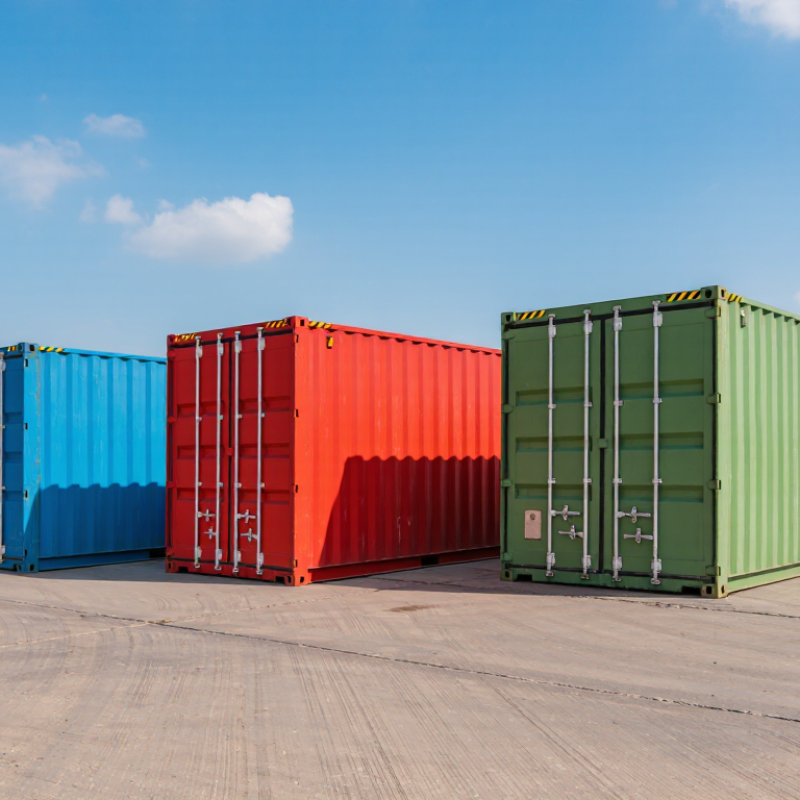
Top Shipping Container Sizes and Prices for Buyers

Common Shipping Container Types and Their Standard Dimensions

ISO 668:2020 defines the standard external dimensions used for common freight containers. A 20-foot Dry Container measures about 6.06 metres long, 2.44 metres wide, and 2.59 metres high. The 40-foot version is roughly 12.19 metres long, with the same width and standard height. These are exterior measurements, not usable cargo space. That distinction matters.

A high-cube container keeps the 40-foot footprint but reaches about 2.90 metres in external height. Typical interior dimensions are approximately 5.9 by 2.35 by 2.39 metres for a 20-footer, and 12.0 by 2.35 by 2.39 metres for a 40-foot standard unit. High-cube interiors are taller, though fittings and wall thickness reduce usable space. Real-world interiors vary. A pallet may fit through the door but still be awkward to turn inside. Check door opening dimensions, floor condition, and measured interior clearance before buying. ISO 668:2020 provides the dimensional framework; the seller’s actual unit should still be measured, since repairs and construction tolerances can affect available space.


How Container Size Affects Capacity and Intended Use

Container size affects more than floor space; it shapes how goods can be loaded, secured, and accessed. A standard 20-foot container holds roughly 33 cubic metres, but door openings and wall fittings reduce usable room. It can suit dense cargo, such as boxed tools or machinery, where weight may become a limit before space does. Measure the largest item, including pallet overhang. Small details matter.

A standard 40-foot container offers about 67 cubic metres, making it useful for bulky, lighter goods or larger shipments. A 40-foot high-cube unit adds roughly 30 centimetres of interior height, helpful for tall equipment or stacked cartons. More volume is not always better. Partly empty space can let cargo shift, and a longer unit needs more room for delivery and placement. Rated payload varies by model and condition, so check the data plate and compare it with the shipment’s actual weight. Prices also depend on size, condition, and delivery distance; the biggest container may cost more without improving the fit. Measure twice. Some estimates still miss awkward shapes.

Key Factors That Determine Shipping Container Prices

Container prices reflect more than size. A standard 20-foot unit may cost less than a 40-foot high-cube box, but condition can reverse the gap. Buyers should inspect door seals, floor boards, corner castings, and roof patches. A fresh-looking coat of paint proves little. Ask for dated photos and a clear grade description, then compare like with like.

Location matters. A container sitting near a depot can be cheaper to collect than one requiring inland transport, even when its listed price is higher. Freight markets also affect availability and repositioning costs. Drewry’s World Container Index reached $5,937 per 40-foot container in July 2024; that is a freight-rate measure, not a purchase-price quote, but it illustrates how sharply logistics costs can shift. UNCTAD’s Review of Maritime Transport 2024 reported that container-ship capacity grew 8.2% in 2023, a supply change that can influence regional stock and pricing.

Other cost drivers include steel prices, exchange rates, taxes, delivery distance, and whether the unit is new or used. Clarify what the quote includes: delivery, lifting, inspection, and any repairs. I would not rely on one online listing alone. Quotes can omit important fees, and local availability changes quickly. Check the final delivered cost before comparing offers.

Comparing New, Used, and Modified Container Costs

For buyers in the United States, a new, one-trip 20-foot container often costs about $2,500–$4,500 before delivery. A 40-foot unit may run roughly $4,000–$6,500. These are planning ranges, not firm quotes; location, season, and availability can shift prices. New units usually have cleaner floors, tighter doors, and fewer dents. That can matter if the container will sit somewhere visible.

Used containers usually cost less. A used 20-foot unit may be around $1,500–$3,000, while a 40-foot unit can fall near $2,500–$4,500. Condition varies. Ask for recent photos of the roof, floor, door seals, and lower frame, and check whether the doors open smoothly. A low price can hide repair work. I have seen estimates miss delivery costs, too; that part is easy to overlook.

Modified containers can start near $5,000 and exceed $20,000, depending on the work. A basic side door or window costs less than insulation, electrical wiring, interior finishes, and several cutouts. Every opening needs careful reinforcement and sealing. Get an itemized quote, including transport and installation. It may still be imperfect, but it gives you something real to compare. A modification that looks simple on paper can take longer once the fabricator checks the container’s structure.

How Buyers Can Evaluate and Select the Right Container

Choosing the right container starts with its intended use and the space available. A 20-foot unit often suits tools, stock, or a compact site office, while a 40-foot unit holds more but needs room for delivery and placement. Measure the access route, not just the pad. Measure twice. Check the door opening too; bulky items may not fit even when the container’s listed capacity looks generous.

Price depends on size, condition, location, and delivery distance. Compare quotes that include the same services, such as unloading and placement. Ask whether the unit is new, cargo-worthy, or used for storage, and request recent photos of the roof, floor, corners, and door seals. Look for soft patches, daylight around closed doors, and signs of standing water. Ask for the actual dimensions and a written delivery estimate. A low price can hide costly transport or repair needs. That matters. I might still miss a flaw in a photo, so an in-person inspection is better when practical. If inspection is impossible, get clear answers in writing before paying.

Wordpress Social Share Plugin powered by Ultimatelysocial
Facebook
X (Twitter)
YouTube
LinkedIn
Share

Purchase Product Request

Request Pricing