Top Pneumatic Actuator Suppliers for Global Buyers?
Pneumatic Actuators play a critical role in numerous industrial applications worldwide. They are essential for controlling machinery and processes that require precise movement and response. According to Dr. Emily Chen, a renowned expert in fluid dynamics, "The efficiency of pneumatic actuators significantly impacts overall system performance." This statement reflects the importance of choosing the right supplier in this competitive market.
In recent years, the demand for reliable pneumatic actuator suppliers has increased globally. Companies are seeking vendors that offer superior products and support. Many suppliers focus on innovation and sustainability practices in their production. However, not all suppliers meet the same quality standards. This inconsistency can lead to challenges for end-users. Addressing these concerns is vital for maximizing operational efficiency.
Understanding the landscape of pneumatic actuator suppliers can be daunting. Buyers need to assess supplier credentials, technical expertise, and customer service capabilities. Evaluating these factors will help ensure a suitable choice. While there are many options available, not every supplier aligns with specific industry needs. Remaining mindful of these aspects is crucial for making informed decisions.
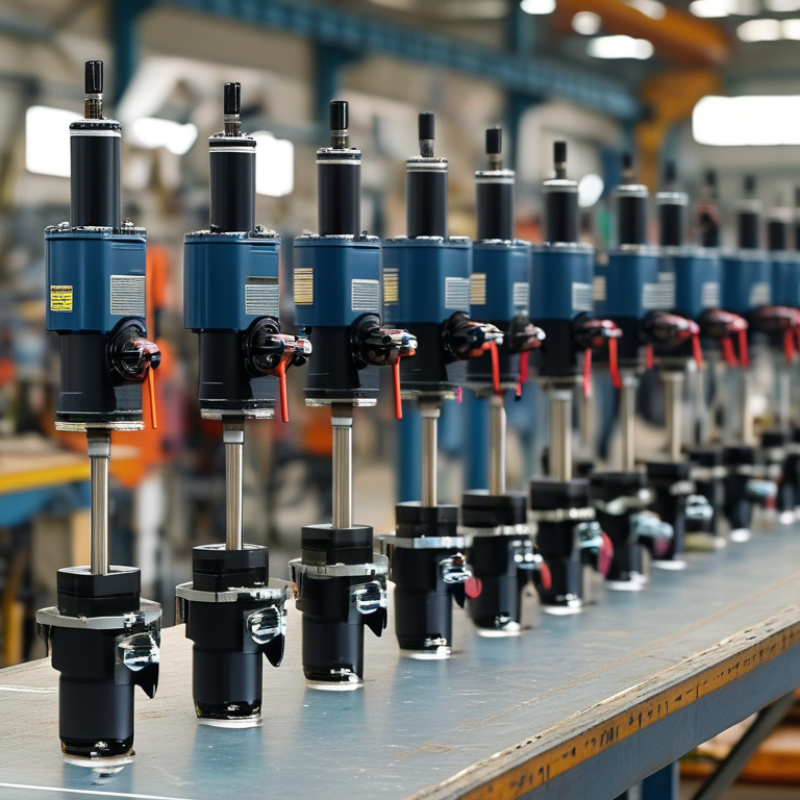
Overview of the Pneumatic Actuator Market Dynamics and Trends
The pneumatic actuator market remains dynamic, fueled by advancements in automation and manufacturing technologies. According to a recent market analysis, the global pneumatic actuator market is projected to grow at a CAGR of 4.5% from 2022 to 2028. This growth is driven by increased demand in industries such as oil and gas, chemicals, and pharmaceuticals.
Notably, the rise in automation has led to innovative pneumatic actuator designs and improved efficiency. In 2022, about 30% of the market was dominated by on-off actuators. However, modulating actuators are gaining traction due to their greater flexibility. Interestingly, a significant percentage of buyers remain unaware of the benefits of smart pneumatic actuators.
Despite positive trends, challenges exist. Issues such as material fatigue and maintenance costs can impact actuator performance. Frequent breakdowns can lead to costly downtimes. Therefore, companies must prioritize selecting reliable suppliers who provide comprehensive support and maintenance solutions. The need for quality assurance and effective communication is more crucial now than ever.
Key Specifications and Types of Pneumatic Actuators in Industry
Pneumatic actuators play a vital role in various industries. They convert compressed air into mechanical motion. Understanding their types and specifications is crucial for effective application. Common types include diaphragm, piston, and rotary actuators. Each type has distinct characteristics and applications.
Diaphragm actuators are often used for controlling flow in valves. They are compact and ideal for tight spaces. Piston actuators provide higher force output. They are suitable for heavy-duty applications. Rotary actuators are effective for applications needing rotational movement. They often feature a compact design and quick response times.
When choosing a pneumatic actuator, consider factors like pressure rating and stroke length. Actuator materials impact durability. For example, aluminum is lighter but less robust than steel. The wrong choice can lead to inefficiencies or failures. Users must evaluate their specific needs carefully.
Top Pneumatic Actuator Suppliers for Global Buyers
| Actuator Type | Pressure Range (psi) | Stroke Length (inches) | Body Material | Temperature Range (°F) | Application |
| Linear Pneumatic Actuator | 30 - 100 | 2 - 12 | Aluminum | -20 to 180 | Industrial Automation |
| Rotary Pneumatic Actuator | 50 - 150 | 90 | Stainless Steel | -10 to 200 | Valve Control |
| Double-Acting Actuator | 40 - 120 | 3 - 10 | Carbon Steel | -15 to 190 | Material Handling |
| Single-Acting Actuator | 20 - 80 | 1 - 6 | Aluminum Alloy | -25 to 150 | Robotics |
Top Global Pneumatic Actuator Suppliers and Their Market Share
The pneumatic actuator market has seen significant growth in recent years. According to a report from MarketsandMarkets, the global pneumatic actuator market was valued at approximately $2.9 billion in 2020 and is projected to reach around $4.5 billion by 2025. This growth indicates an annual increase of nearly 9.5%. A detailed analysis reveals that North America holds the largest market share, accounting for about 35% of the global revenue.
Several suppliers dominate this competitive landscape. Industry reports highlight that these suppliers contribute to advancements in efficiency and innovation. Many global manufacturers are focusing on automation, which boosts the demand for pneumatic actuators. For example, approximately 60% of the demand in the process industry stems from manufacturers seeking smarter solutions. However, regional disparities exist. The Asia-Pacific region is expected to grow at the highest CAGR due to rapid industrialization.
While the market demonstrates strong growth potential, challenges persist. Some suppliers struggle to keep pace with technological advancements. Quality control remains a crucial issue, with reports indicating that up to 15% of products do not meet stringent industrial standards. Buyers must remain cautious and invest time in thoroughly vetting suppliers to ensure reliability and performance.
Innovations and Technologies Driving the Pneumatic Actuator Sector
The pneumatic actuator sector is rapidly evolving. Innovations are driving efficiency and performance. Advanced materials enhance durability while reducing weight. These improvements lead to better energy efficiency, which is crucial for modern applications. Users benefit from increased responsiveness and lower operational costs.
Technologies such as smart sensors are becoming common. They provide real-time data, allowing for precise control. This data helps in predictive maintenance, reducing downtime. However, the integration of these technologies can be complex. Users must invest time to understand the full potential. Adoption requires training and adjustment.
Sustainability is another focus. Manufacturers explore eco-friendly materials and processes. The challenge lies in maintaining performance while adopting greener solutions. These trends reflect the industry's commitment to progress. But there’s still much to improve. The balance between innovation and reliability requires ongoing effort.
Top Pneumatic Actuator Suppliers Worldwide
Cost Analysis of Pneumatic Actuators and Supplier Pricing Models
Pneumatic actuators are essential in many industrial applications. Their pricing varies widely based on specifications. Understanding the cost can help businesses make informed decisions.
When evaluating pneumatic actuators, consider key factors. Size, materials, and operational pressure all influence price. Some suppliers have tiered pricing based on order volume. This approach can help companies save costs. However, it may also lead to over-purchasing if not balanced well.
Supplier pricing models often reflect their experience and market position. New or smaller suppliers may offer lower prices. But they might lack the same reliability or service as established names. Cost isn't everything; quality matters too. Sometimes, the cheapest option leads to higher maintenance in the long run. Thus, companies must weigh initial expenditures against long-term performance.