Top PCB Prototype Innovations at the 139th Canton Fair?
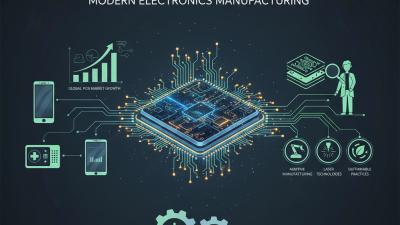
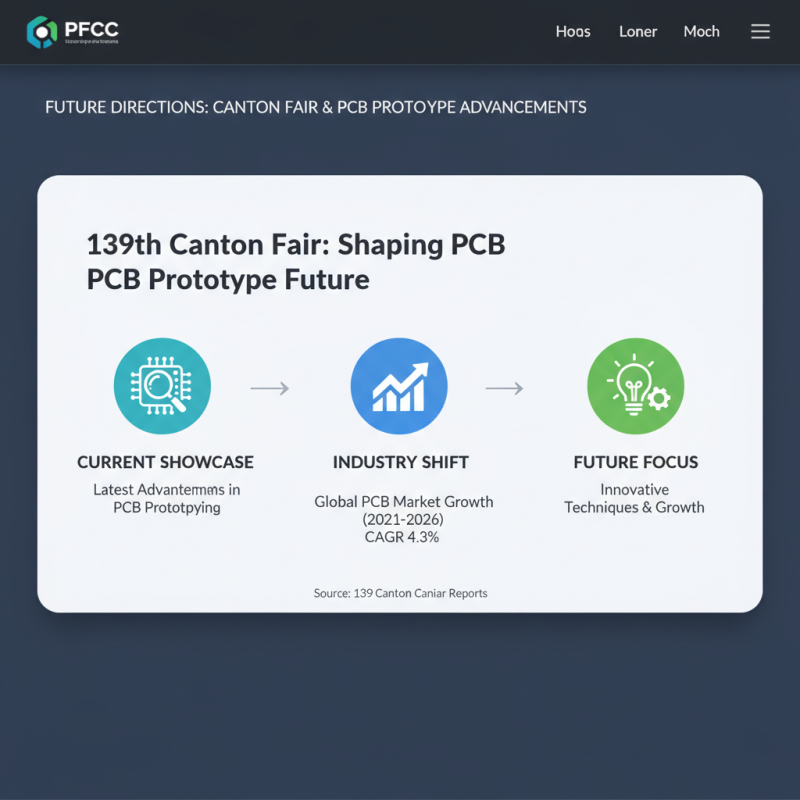
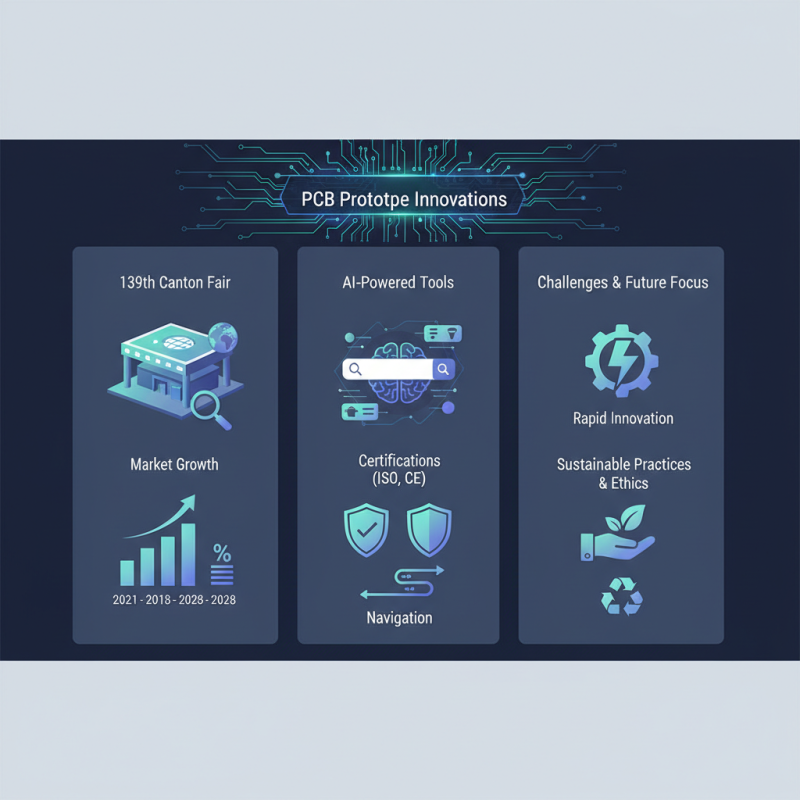
The 139th Canton Fair is expected to showcase significant innovations in the PCB prototype industry. With over 155,000 square meters of exhibition space, this event highlights advanced manufacturing and electronic appliances. According to industry reports, the global PCB prototype market is projected to grow at a CAGR of 8.4% from 2023 to 2028. This presents a ripe opportunity for businesses to explore new technologies and solutions.
At the fair, AI-powered tools will enhance the experience for buyers. They can effectively search for suppliers with specific qualifications, such as ISO and CE certifications. This innovation promises a more streamlined navigation experience in the vast exhibition halls, which could otherwise feel overwhelming.
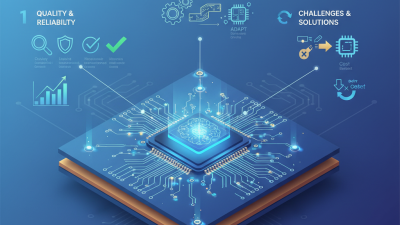
However, challenges remain. The rapid pace of innovation can outstrip the adaptation of existing processes and standards, leading to potential inefficiencies. The focus on precision and quality in PCB prototypes must not overshadow ethical manufacturing practices. Vendors and buyers alike may need to reflect on their commitments to sustainable practices while pursuing advancements in technology.
Top Trends in PCB Prototyping Showcased at the 139th Canton Fair
At the 139th Canton Fair, a wave of innovations in PCB prototyping took center stage. Industry experts have highlighted that the global PCB market is expected to reach $85 billion by 2027, growing at a staggering rate of around 6.3% annually. This growth presents both opportunities and challenges for manufacturers and designers alike. The fair showcased several emerging trends that are shaping the future of PCB prototyping.
One noticeable trend is the rise of eco-friendly materials. With environmental regulations tightening, companies are exploring alternatives to traditional materials. Biodegradable substrates and lead-free solder are gaining traction. However, there is still significant work to be done in proving their reliability. Many prototypes faced challenges in maintaining performance while using these new materials.
Another trend is the integration of advanced technologies. The use of AI and machine learning in design processes is transforming how prototypes are developed. Some exhibitors showcased AI tools that can automate design validation. Yet, reliance on technology raises concerns. Over-automation may lead to a loss of craftsmanship in PCB design. Balancing innovation with manual expertise remains a vital conversation at industry events. Such developments illuminate the intricacies of adapting to a rapidly changing landscape.
Emerging Technologies in PCB Manufacturing: Highlights from the Fair
The 139th Canton Fair showcased numerous innovations in PCB manufacturing. Among the highlights, new materials gained significant attention. Flexible PCBs made from innovative substrates are now more widely available. These substrates are thinner and lighter than traditional materials. They open up new possibilities for various electronic devices.
Another exciting development is the use of AI in PCB design. Automation tools are becoming essential for speeding up the design process. These tools help in predicting potential faults early on. While this technology shows promise, some designers worry about over-reliance on AI. Balancing automation with human creativity is key to successful innovation.
Sustainability initiatives were also prominent at the fair. Many new prototypes emphasized eco-friendly production methods. Green materials and processes are being prioritized. However, transitioning to sustainable practices comes with challenges. Some manufacturers lack the resources to implement these changes fully. This issue needs more attention for the industry to thrive.
Sustainability in PCB Production: Innovations Displayed at the Fair
The 139th Canton Fair showcased remarkable innovations in PCB production focused on sustainability. Many exhibitors presented eco-friendly materials that reduce environmental impact. These materials often feature recyclable properties, offering a greener alternative to traditional options. For example, some prototypes utilized bio-based substances that diminish reliance on harmful chemicals.
Several companies highlighted energy-efficient manufacturing processes. They aimed to minimize waste and lower carbon emissions. One method included advanced techniques for waste reduction during production. This not only boosts efficiency but also lessens pollution. Yet, challenges remain in fully adopting these practices across the industry. Many firms still rely on outdated methods that generate excessive waste.
Visitor feedback revealed a keen interest in sustainable solutions. However, some expressed concerns about the cost and scalability of these innovations. While new technologies promise better practices, they may not be accessible for all manufacturers. The future of sustainable PCB production requires careful balancing of innovation and affordability. It’s clear that while progress is evident, the journey toward sustainability remains a work in progress.
Top PCB Prototype Innovations at the 139th Canton Fair
| Innovation Type |
Description |
Sustainability Aspect |
Impact on Production |
| Biodegradable Substrates |
Use of materials that decompose naturally. |
Reduces plastic waste and environmental impact. |
Potential for reduced disposal costs. |
| Low-Temperature Co-Firing |
Manufacturing process that lowers energy consumption. |
Less energy usage leads to lower carbon footprint. |
Increases production efficiency. |
| Recyclable Components |
Use of parts that can be recycled after use. |
Encourages circular economy practices. |
Lowers environmental risks from e-waste. |
| Water-Based Adhesives |
Adhesives that are less harmful and contain no solvents. |
Improves worker safety and reduces VOC emissions. |
Simplifies compliance with environmental regulations. |
| AI-Driven Quality Control |
Use of AI to enhance defect detection in production. |
Reduces waste produced from flawed products. |
Increases overall production yield and efficiency. |