What is a PCB Board and How Does it Function?
The printed circuit board, or PCB board, is a critical component in modern electronics. In 2022, the global PCB market was valued at approximately $63 billion, highlighting its importance. These boards serve as the backbone for electronic devices, enabling connections between various components.
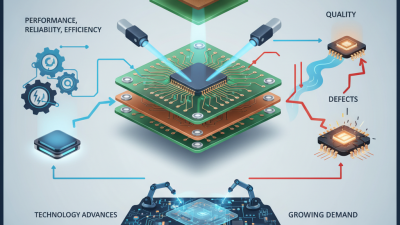
A typical PCB board consists of a substrate, conductive pathways, and soldered components. This design facilitates electrical flow and signal transmission. However, many industries face challenges in ensuring the reliability of PCB boards. For instance, the increasing demand for smaller devices puts pressure on manufacturers to innovate.
Despite the technological advances in PCB design, production remains complex. Issues such as material quality and manufacturing precision can affect performance. Moreover, as the industry evolves, sustainability concerns arise, prompting a need for eco-friendly materials. These aspects warrant ongoing reflection on best practices in PCB board development.
What is a PCB Board: Definition and Purpose in Electronics
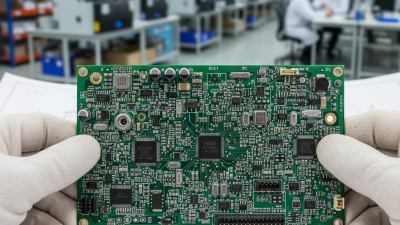
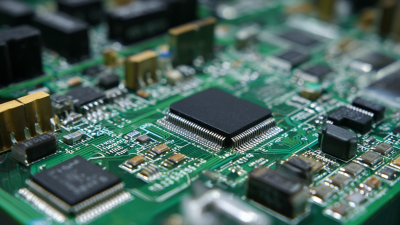
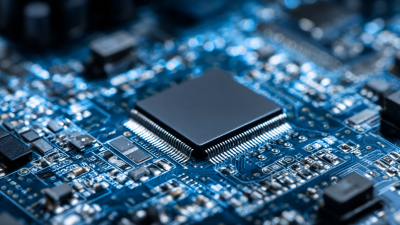
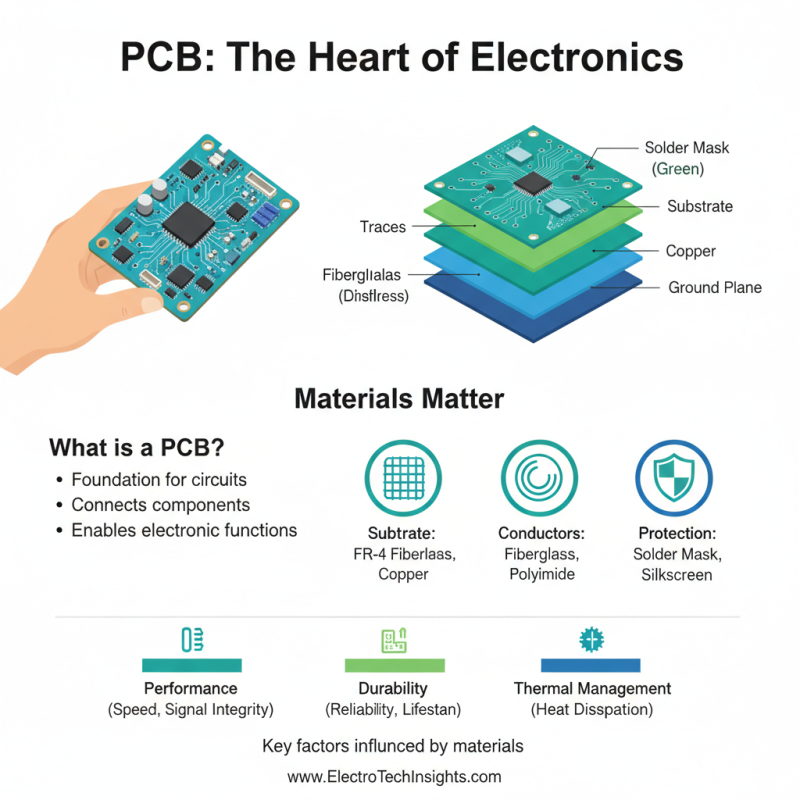
A PCB board, short for printed circuit board, plays a vital role in electronics. It serves as a foundation for connecting various electronic components. The board is usually made of a fiberglass material, which is lightweight yet durable. Copper traces run along its surface, allowing electrical signals to flow between components seamlessly.
In electronic devices, the PCB's arrangement is crucial. It shapes how signals travel and affects performance. Poor design can lead to interference or signal loss. Creatively solving these challenges is part of the design process. Each component must be placed precisely to avoid issues.
Moreover, the manufacturing process of PCBs is intricate. It requires careful planning and execution. Mistakes in the production can result in faulty circuits. Designers often face the dilemma of balancing cost with quality. It's an issue that leaves room for improvement and reflection, pushing the boundaries of innovation in electronics. Understanding a PCB's purpose reveals its significance in the technology we use daily.
The Composition of PCB Boards: Materials Used and Their Properties
PCB boards are essential components in electronic devices. They provide a foundation for circuit assembly, enabling connections between various electrical components. The materials used in PCB construction greatly influence its performance and durability.
Commonly, PCBs are made from fiberglass, resin, and copper. Fiberglass gives strength and stability. Resin acts as an insulator, protecting the copper traces. Copper is the key conductor, allowing electricity to flow. Different types of copper plating can affect conductivity and corrosion resistance.
Tips: Always consider the thermal properties of materials used. Excess heat can damage components. Make sure to choose the right material for your specific application needs.
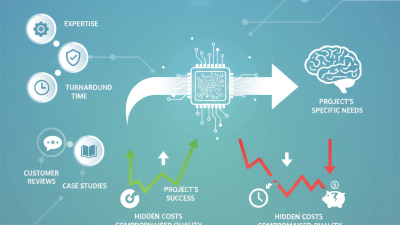
Some manufacturers use polymers or ceramics for special applications. These materials can enhance flexibility or increase resistance to extreme temperatures. However, they come with trade-offs in cost and manufacturability. It’s crucial to evaluate material choices based on your project requirements.
Tips: Test small samples before full production. This can save time and unforeseen costs later. Understanding your material options will lead to better PCB designs.
The Manufacturing Process of PCB Boards: Steps and Techniques Involved
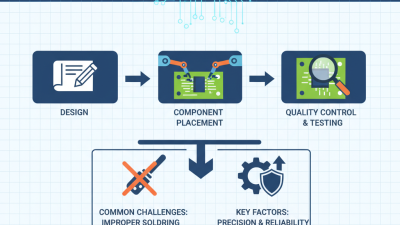
The manufacturing process of PCB boards involves several intricate steps. It begins with designing the layout using specialized software. In this phase, engineers create a schematic that defines the electrical connections. Once the design is finalized, it is transferred to a film that will later guide the etching process.
After the design phase, the next step is etching the copper layer. A thin copper sheet is bonded to a non-conductive substrate. Then, unwanted copper is removed using a chemical solution. This leaves behind the desired pathways. The precision of this step is vital; mistakes can be costly and time-consuming.
Drilling holes for components comes next. This step requires careful alignment. The holes must correspond precisely to the design layout. After drilling, the boards undergo cleaning to remove any debris. Adding solder mask and silkscreen layers protects the board and provides necessary labels. Every phase of manufacturing demands attention to detail. Any oversight can lead to failure in the final product. The complexity of the process highlights the craftsmanship required in PCB production.
Manufacturing Process of PCB Boards
This bar chart illustrates the time required for each step in the manufacturing process of PCB boards. The steps include Design, Material Selection, Manufacturing, Surface Mounting, Testing, and Packaging. Each step indicates the time (in hours) typically spent in that phase, helping to understand the workflow and time efficiency in PCB production.
Functions of PCB Boards: How They Connect Electronic Components
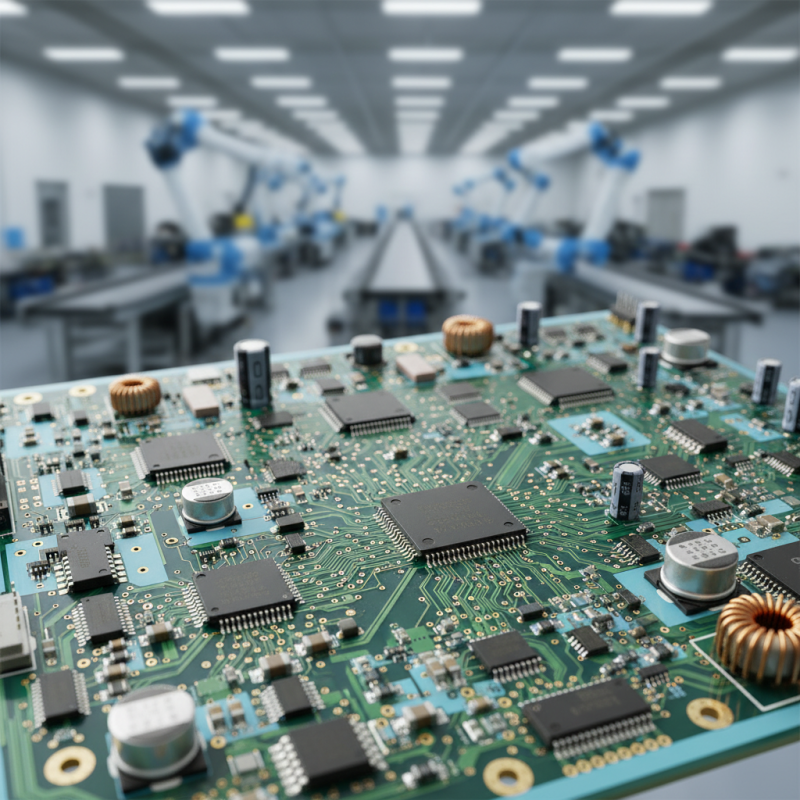
PCB boards play a crucial role in connecting various electronic components. They serve as the backbone of electronic devices. These boards have a flat design, usually made from fiberglass or other insulating materials, with conductive pathways etched on them. These pathways create connections for electrical signals.
Different components like resistors, capacitors, and microchips are mounted on the PCB. Each connection must be precise for the device to function correctly. Poor connections can lead to device failure. It's vital that designers pay attention to the layout. A cluttered board can cause interference and signal degradation.
Soldering components to the board requires skill. Improper soldering can create shorts. It's a common oversight, especially for beginners. They might rush the process and overlook details. Each step in PCB design and assembly requires careful consideration. Mistakes are easy to make and can be hard to fix.
Industry Standards and Regulations for PCB Design and Manufacturing
PCB design and manufacturing are governed by strict industry standards. These regulations ensure quality and safety in electronic products. Key standards include IPC-A-600 and IPC-2221, among others. Each certification outlines specific requirements for materials, processes, and testing. Following these helps avoid defects that could lead to product failure.
Monitoring environmental impacts is crucial. Manufacturers should follow the RoHS directive, restricting hazardous substances. This ensures safer products for consumers and reduces environmental waste. Yet, implementing these standards can be challenging. Companies may struggle with cost implications and sourcing compliant materials. Some may overlook the importance of thorough testing, which can lead to serious issues later.
It's not just about meeting standards. Innovation in PCB design should not compromise compliance. Balancing creativity and regulations can be difficult. Many designers may feel stifled under these constraints. However, working within these frameworks can often foster unique solutions. Exploring the boundaries is essential. Taking the time to understand these standards can enhance the quality of PCB boards significantly.