How to Optimize PCB Production for Global Sourcing Success?
In the fast-evolving landscape of PCB production, optimizing processes is crucial for success in global sourcing. According to Dr. Lisa Tran, a leading expert in the field, “Efficiency in PCB production is the cornerstone of competitive advantage.” Her insight emphasizes the importance of strategic planning and supplier partnerships.
Companies must navigate challenges in sourcing materials, managing supply chains, and maintaining quality. Effective communication with overseas suppliers can often lead to misunderstandings. This calls for a robust framework for collaboration. It's not always straightforward, and misalignment can derail production timelines.
Moreover, companies need to assess technology adoption in their PCB production processes. Embracing automation can enhance precision but requires upfront investment. Each decision impacts the speed and reliability of production. Balancing cost-efficiency with quality assurance demands continuous evaluation and adjustment. As the industry evolves, remaining adaptable remains key to success in global sourcing efforts.

Understanding PCB Production Processes and Their Global Impact
Understanding PCB production processes is crucial for global sourcing success. These processes dictate how printed circuit boards are designed, manufactured, and assembled. The journey begins with material selection. The choice of substrate and copper thickness greatly influences performance and durability. Quality control measures during this phase can be the difference between success and failure.
The manufacturing process itself involves several stages, including etching, drilling, and solder mask application. Each step requires precision and attention to detail. For instance, a minor error in drilling can lead to significant complications down the line. Challenges arise when production shifts to different geographical locations. Variations in local practices, supply chain disruptions, and compliance with foreign regulations can impact quality.
Reflecting on the global impact of PCB production, companies often face decisions about outsourcing. This includes weighing the cost savings against potential risks, such as quality inconsistencies. It's vital to maintain a balance between efficiency and reliability. As the industry evolves, constant reassessment of production strategies is required to stay competitive.
Key Factors Influencing Cost Reduction in PCB Manufacturing
Cost reduction in PCB manufacturing is vital for global sourcing. A report by IPC estimates that 30% of PCB production costs stem from material selection. A careful choice of materials not only impacts the cost but also affects performance and reliability. The right material can lead to significant savings, especially when sourcing globally.
Labor costs are another critical factor. According to a study by ResearchAndMarkets, labor costs can account for up to 25% of total expenses. Optimizing labor through automation and streamlined processes can drive down these costs. However, the challenge lies in balancing automation with the need for skilled labor. Over-reliance on automated systems might hinder flexibility.
Transportation logistics also play a role in PCB costs. The cost of shipping can unexpectedly inflate prices. A recent report highlighted that logistics costs rose by 15% last year. Partnering with an efficient logistics provider is essential for managing these expenses. However, frequent delays or complications can disrupt production timelines and erode savings.
Evaluating Suppliers: Criteria for Successful Global Sourcing
When evaluating suppliers for successful global sourcing in PCB production, certain criteria play a crucial role. Quality assurance remains paramount. A report by IPC shows that 70% of production defects stem from supplier issues. Therefore, assessing a supplier's quality management system is essential. Look for certifications like ISO 9001, which ensure adherence to quality standards.
Cost efficiency is another key factor. According to a study by Deloitte, companies can save up to 30% by optimizing their supplier selection. However, the lowest price doesn't always equate to the best value. It is important to examine the total cost of ownership, which includes shipping, customs, and potential delays. A comprehensive cost analysis will highlight potential hidden expenses.
Tips: Consider establishing a scorecard system. This can objectively assess each supplier on key metrics such as responsiveness, production capacity, and financial stability. Regular audits can also help ensure compliance and foster improvements.
Supplier location can impact lead times and logistics costs. A close examination of a supplier’s geographical position is key. While sourcing from low-cost regions may save money, remember to factor in the risk of longer shipping times. Balancing cost and reliability is an ongoing challenge in global sourcing.
Quality Assurance Techniques in PCB Production for Global Markets
In the competitive landscape of global PCB production, quality assurance is paramount.
Diverse markets demand specific standards. It's crucial to implement rigorous testing methods. Visual inspections, automated optical inspections, and functional testing are essential. Each step identifies potential defects early. This proactive approach minimizes costly reworks.
Documentation plays a key role in quality assurance. Comprehensive records of every production stage help maintain accountability.
However, not all teams adhere to strict documentation practices. This inconsistency can lead to misunderstandings and errors. Best practices suggest regular audits to ensure compliance.
Collaboration across global suppliers enhances quality. Establishing clear communication channels is vital. Misunderstandings can arise from language barriers or cultural differences. Regular feedback loops can address these issues. Teams should share insights on quality challenges and solutions. This collaboration fosters a culture of continuous improvement.
Trends and Technologies Driving PCB Production Efficiency Worldwide
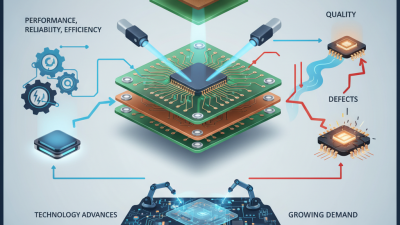
The landscape of PCB production is evolving rapidly. Technologies that enhance efficiency are reshaping the industry. Automation, for instance, significantly reduces the time required for assembly and testing.
Robotic systems streamline the manufacturing process and improve precision. This has resulted in lower defect rates and enhanced production speed.
Yet, challenges persist. Many manufacturers struggle with scaling up production while maintaining quality. Sourcing materials globally can lead to inconsistencies. It’s essential to choose reliable suppliers who adhere to quality standards.
Additionally, adopting advanced software tools for design and simulation can improve the overall workflow. However, ensuring the compatibility of these tools with existing systems often requires investment and training.
Moreover, environmental considerations are becoming paramount. Sustainable practices must be woven into production methods. This often requires a shift in mindset among manufacturers, emphasizing long-term benefits over short-term gains.
Continuous learning and adaptation are crucial for success. Reflecting on current practices can help identify areas for improvement.