2026 How to Optimize PCB Assembly for Cost Effective Sourcing?
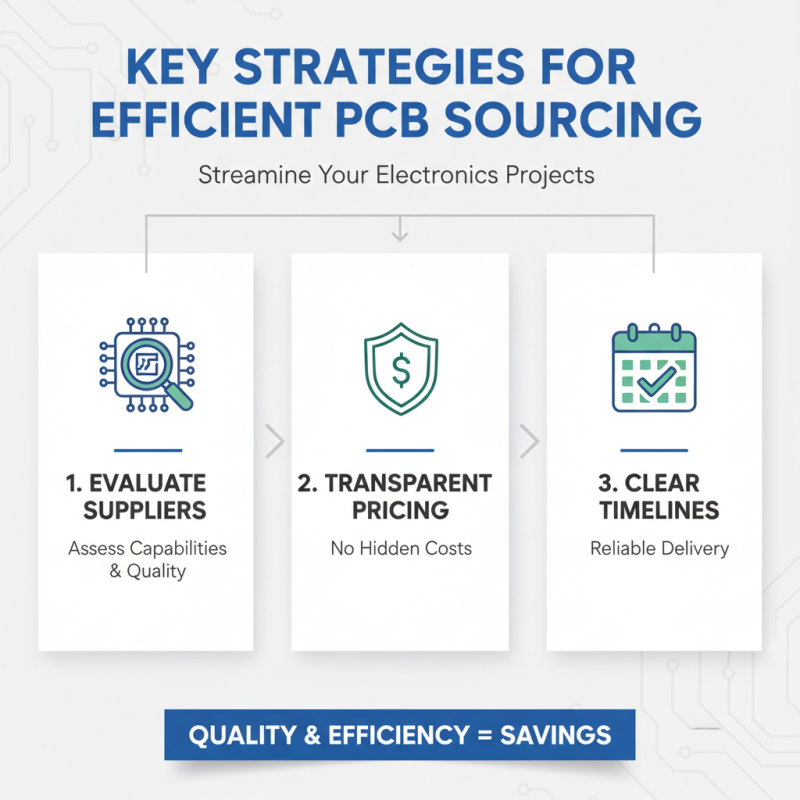
In the competitive landscape of electronics manufacturing, optimizing PCB assembly is crucial for cost-effective sourcing. According to a recent report by market analysts, the global PCB market is projected to reach $100 billion by 2026. This underscores the importance of efficient procurement strategies. PCB assembly significantly impacts overall product cost, roughly accounting for 30-40% of total manufacturing expenses.
As technology evolves, companies face challenges in balancing quality and affordability. Many firms overlook the importance of selecting the right materials and processes. This can lead to increased waste and higher assembly costs. Effective sourcing also requires a deep understanding of supplier capabilities and market trends. Insights from industry experts emphasize the need for continuous improvement and adaptation in sourcing strategies.
Moreover, manufacturers must consider the long-term impact of their decisions. While cheaper options may seem tempting, they often result in hidden costs related to quality issues and delays. Striking a balance between cost and reliability is essential. Companies that embrace a comprehensive approach to PCB assembly optimization will position themselves for success in a rapidly changing market.
Understanding PCB Assembly Cost Factors
Understanding the cost factors in PCB assembly is crucial for making informed sourcing decisions. The assembly process involves various components that contribute to the overall expense. Material costs typically account for 50% to 70% of the total assembly cost. This includes items like copper, solder, and substrates. Trends suggest that fluctuations in raw material prices directly impact PCB assembly costs.
Labor costs also play a significant role. In regions with higher wages, assembly costs increase. Reported data indicate that labor costs can range from $10 to $30 per hour depending on the region. Equipment and technology used in assembly are equally important. Investing in advanced machinery can reduce long-term costs, though the initial investment is substantial.
However, not all sourcing options yield savings. Cheap labor markets can result in quality issues. These issues may lead to reworks or failures, negating any initial cost savings. Therefore, evaluating the trade-offs between cost and quality is essential. Understanding these cost factors allows companies to optimize their sourcing strategies effectively. Transparency in pricing is vital as companies navigate this complex landscape.
2026 How to Optimize PCB Assembly for Cost Effective Sourcing? - Understanding PCB Assembly Cost Factors
| Cost Factor |
Description |
Estimated Impact (%) |
| Materials |
Cost of raw materials used in PCB manufacturing. |
30% |
| Labor |
Wages and benefits for workers involved in assembly. |
25% |
| Overhead |
Indirect costs related to production facilities and operations. |
20% |
| Equipment |
Cost of machines and tools used in the assembly process. |
15% |
| Logistics |
Transportation and storage costs for components and finished products. |
10% |
Evaluating Supply Chain Options for PCB Assembly
When evaluating supply chain options for PCB assembly, several factors come into play. Cost efficiency is critical. A thorough analysis of suppliers can streamline the sourcing process. Look for partners that offer competitive pricing without sacrificing quality. This balance is essential for sustainable production.
Consider logistics as well. Shipping times and costs vary widely among suppliers. A local source may reduce transport time, impacting project timelines. However, offshoring can offer distinct cost advantages. Explore both avenues to find a suitable mix that fits your needs.
Flexibility in sourcing is fundamental. The demand for PCBs fluctuates, influenced by trends and market shifts. Relying on a single supplier can be risky. Building a network of reliable partners can mitigate disruptions. Evaluate their capacity to scale operations. This planning ensures that unexpected challenges do not derail your projects. Assessing these elements requires careful attention to detail and a willingness to adapt.
Implementing Automation in PCB Production
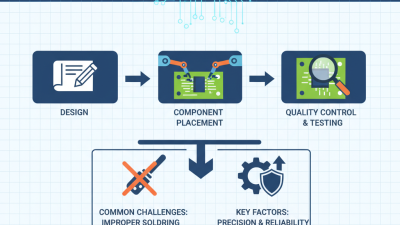
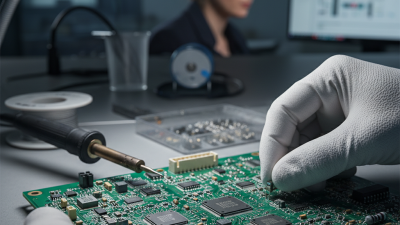
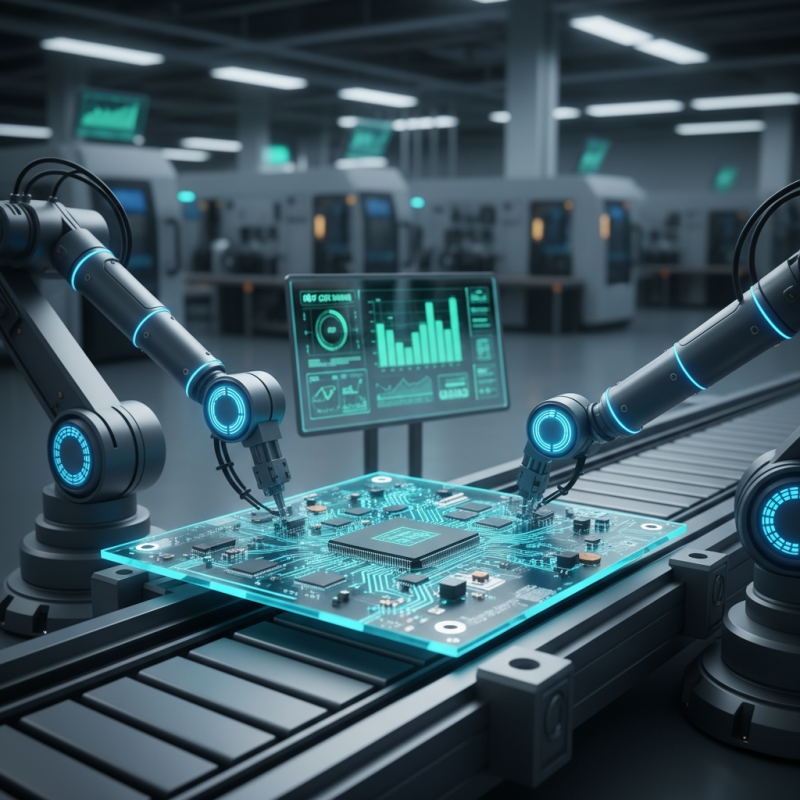
Implementing automation in PCB production can significantly enhance efficiency while reducing costs. Automated systems can handle repetitive tasks with precision, minimizing human error. For instance, automated soldering machines consistently achieve high-quality joints, which are critical for long-term reliability. However, integrating such technology requires upfront investment and careful planning.
One must consider the learning curve associated with new systems. Training staff to operate and manage these technologies can be challenging. Some companies experience downtime during the transition, which can impact productivity. Yet, the long-term benefits often outweigh these initial hurdles. Automated inspection systems, for example, provide real-time feedback, ensuring only the best components proceed to assembly.
Flexibility is another concern. Automation often means standardization, which can limit customization options. If a production run changes, reprogramming the equipment can be time-consuming. Nonetheless, many businesses find that a hybrid approach, combining automation with skilled manual labor, allows for both efficiency and adaptability. This balance can lead to optimal sourcing strategies, aligning cost-effectiveness with high-quality production.
Quality Control Measures for Cost Optimization
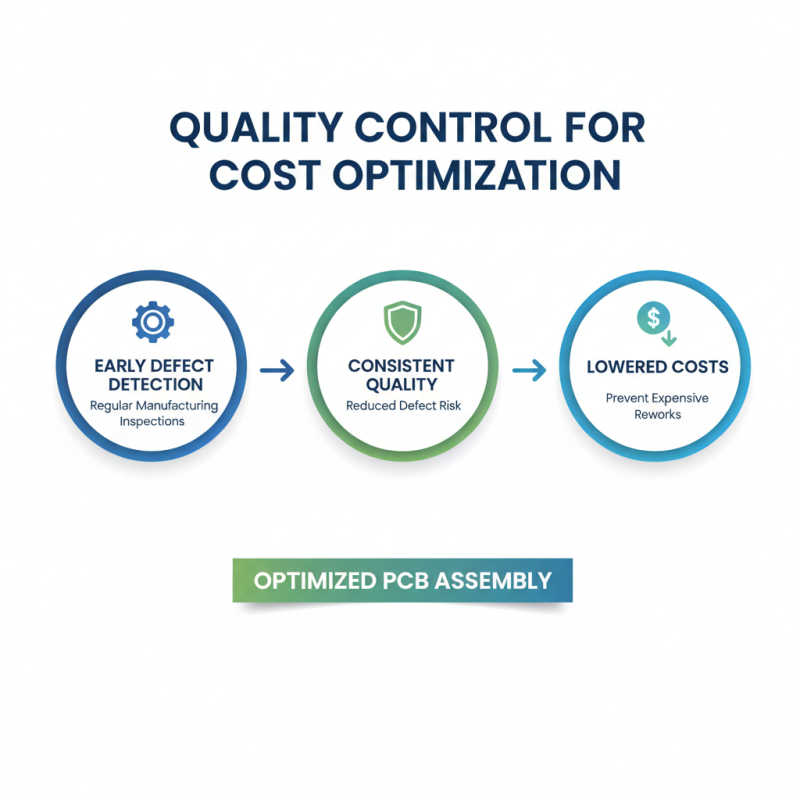
In optimizing PCB assembly for cost-effective sourcing, quality control measures play a crucial role. Ensuring consistent quality lowers the risk of defects that could escalate costs. Implementing regular inspections during manufacturing can identify issues early. This prevents expensive reworks later in the process.
Training staff in quality awareness is essential. Workers who understand quality standards contribute to maintaining higher product quality. Documenting each step of the process also provides a reference for identifying recurring problems. However, relying solely on documentation can lead to complacency. Regular audits and hands-on evaluations help maintain vigilance.
Incorporating automated quality checks can enhance efficiency. Yet, technology should complement, not replace, human oversight. Balancing automation with skilled personnel is vital. It’s important to continually assess which quality control measures provide real benefits. This ensures that cost optimization efforts do not compromise product integrity. Regularly revisiting these strategies can lead to better outcomes and long-term savings.