Top Mainshaft Sleeve Cone Crusher Suppliers Worldwide?
A Mainshaft Sleeve Cone Crusher may be a small component beside the crusher frame, but its fit can affect alignment, wear, and maintenance planning. Buyers comparing suppliers worldwide should look beyond a product photo or a low quotation. Details matter. The sleeve must match the crusher model, shaft dimensions, operating conditions, and specified material. Even a minor difference in bore size or surface finish can complicate installation. Fit is unforgiving.
A useful supplier review starts with evidence. Ask for dimensioned drawings, material specifications, inspection records, and clear confirmation of compatibility. Check whether the supplier handles OEM parts, aftermarket replacements, or both, and whether its team can discuss lubrication, wear patterns, and installation requirements. These practical details can reveal more than broad claims about quality. Lead time, packaging, and access to replacement stock also matter, especially when planned maintenance windows are short. A supplier’s ability to explain tolerances and resolve technical questions deserves attention.
Worldwide sourcing offers more options, but distance can make verification harder. Request traceable documentation and confirm how the part will be inspected before shipment. Compare quotations on the same technical basis, including material, dimensions, finish, and delivery terms. A low quote can look attractive. It may not include the same scope. No supplier should be judged by one document alone, and available information may still leave questions. Use this guide to assess potential Mainshaft Sleeve Cone Crusher suppliers with a practical checklist, while treating every specification as something to confirm against the actual crusher and its service records.
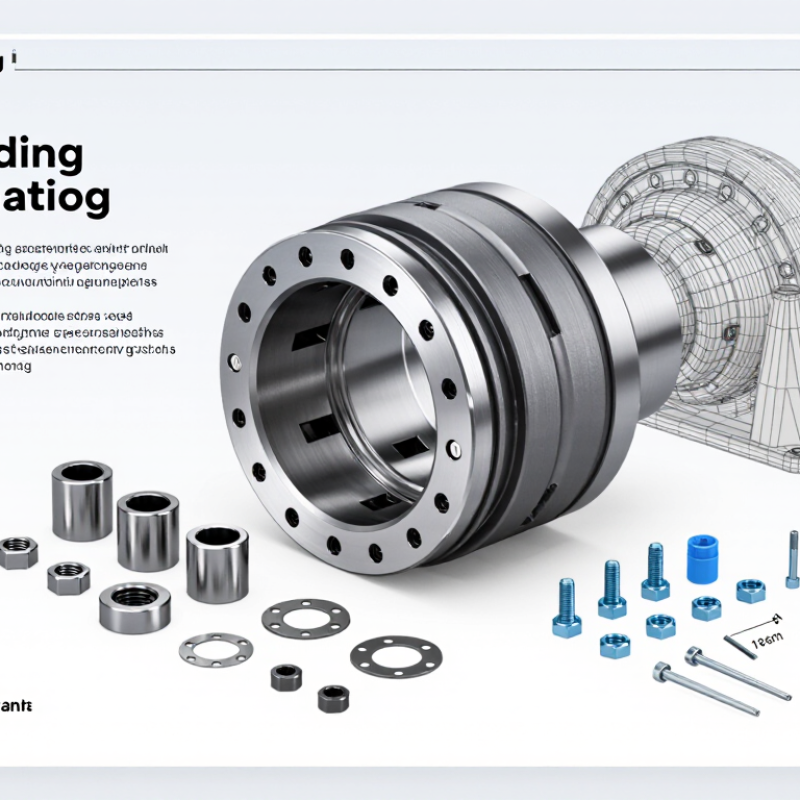
Mainshaft Sleeves in Cone Crushers: Design and Function
Mainshaft Sleeves in Cone Crushers: Design and Function
A mainshaft sleeve is a fitted wear component that protects the crusher’s mainshaft and helps maintain the correct running clearance. Its exact role depends on the crusher design. In many machines, the sleeve works at an interface where repeated movement, load, and abrasive dust can gradually wear metal surfaces. Some designs use bronze-alloy sleeves, while others specify different materials. The drawing matters more than assumptions.
A worn sleeve may contribute to excess movement, uneven contact, or rising operating temperatures. During inspection, look for scoring, cracks, discoloration, and uneven wear. Measure the shaft and sleeve at several points; one reading can miss oval wear. Fit and surface finish matter. So does installation. A sleeve forced into place without checking alignment can create problems that resemble a faulty component. Replacement intervals should follow the machine maker’s guidance and actual operating conditions.
Tips: Confirm the part number, dimensions, material, and fit before ordering. Ask suppliers for inspection records where available. Keep mating surfaces clean during assembly. Small errors matter. A quick visual check is useful, but it cannot replace measured clearance.
Mainshaft Sleeves in Cone Crushers: Design and Function
Typical Brinell hardness ranges for copper-alloy bearing materials used in sleeve applications
A mainshaft sleeve acts as a replaceable bearing surface between the shaft and surrounding components. Hardness varies with alloy composition and manufacturing condition; these indicative material ranges are not crusher-specific specifications. Confirm sleeve material and fit requirements with the equipment manufacturer.
Key Factors That Distinguish Reliable Sleeve Suppliers
Top Mainshaft Sleeve Cone Crusher Suppliers Worldwide?
Key Factors That Distinguish Reliable Sleeve Suppliers
A dependable supplier can explain how each sleeve is made, measured, and matched to a crusher model. Ask for material certificates, heat-treatment records, and inspection reports linked to the part’s batch. Details matter. Check bore diameter, outside diameter, concentricity, and surface finish against the equipment specifications. A low price means little if a sleeve arrives with an uneven fit or unclear dimensions.
Look for repeatable quality controls, not just a polished sample. Ask how technicians measure critical surfaces, what tolerances they maintain, and how they handle rejected parts. Request drawings and dimensional reports before ordering. One test report may not tell the whole story. Traceability should connect the delivered sleeve to its material and production checks.
Reliable suppliers also discuss installation conditions, lubrication, expected wear patterns, and realistic lead times. Their answers should suit the crusher, not read like generic catalog text. Packaging matters too. Machined surfaces need protection from moisture and impact during transport. Ask for references or anonymized service feedback where available. Perfect paperwork can be reassuring, but actual fit and consistent field performance still deserve scrutiny.
Types of Suppliers Serving the Global Cone Crusher Market
Types of Suppliers Serving the Global Cone Crusher Market
Mainshaft sleeve suppliers generally fall into four groups: crusher manufacturers, independent wear-part producers, regional distributors, and repair specialists. Manufacturer-linked suppliers can match sleeves to a crusher’s shaft dimensions and operating clearances. Independent producers may offer more material or lead-time options. Distributors help mines and quarries source parts closer to site. Repair specialists may inspect worn shafts and recommend a replacement fit. Fit matters.
The U.S. Geological Survey’s Mineral Commodity Summaries 2025 estimated U.S. crushed-stone production at about 1.5 billion tons in 2024. This indicates the scale of one important end market, but it is not a global cone-crusher or sleeve-sales estimate. Buyers should compare suppliers on documented dimensions, material specifications, heat treatment, and inspection records. A polished catalogue proves little.
For a sleeve used in dusty, high-load service, ask for tolerance data and a clear method for checking bore fit. Request material certificates and traceability for the delivered part, not just a sample. Regional stock can reduce downtime, while direct manufacturers may support unusual dimensions. Price still matters. But the cheapest sleeve can cost more if poor fit accelerates shaft wear. Supplier claims also deserve scrutiny; published test data is not always available, and that gap should be discussed before ordering.
How to Compare Supplier Quality, Compatibility, and Support
For a mainshaft sleeve, supplier quality starts with measurable evidence, not a polished catalogue. Request material certificates, heat-treatment records, inspection results, and a drawing showing critical fits. Compare sleeve bore, shaft dimensions, and bearing clearances against the crusher’s actual specifications. A small mismatch can cause fretting, uneven contact, or difficult installation. The ISO Survey 2023 recorded 1,265,216 valid ISO 9001 certificates worldwide. Certification signals a documented quality system, but it does not prove that a particular sleeve meets your requirements. Check the component-level records. Ask how nonconforming parts are handled.
Compatibility deserves equal scrutiny. Confirm the crusher model and revision, then compare dimensions, alloy, hardness, and surface finish with the original engineering data. Ask whether the supplier can explain any proposed deviation in writing. That detail matters. A quick “fits most units” answer is not enough. In the field, measure the removed sleeve and note wear patterns; they may reveal alignment or lubrication issues, not just a bad part. Support should include clear lead times, installation guidance, and access to a technical contact after delivery. Ask for the promised response time and available inspection documents. I would still verify a sample before approving repeat orders; paperwork can look tidy while fit-up tells another story.
Steps for Sourcing Mainshaft Sleeves Worldwide
Steps for Sourcing Mainshaft Sleeves Worldwide
Start with the crusher model, shaft dimensions, and a current technical drawing. If the drawing is unavailable, record measurements from the sleeve and shaft, but treat worn parts cautiously. Wear can disguise the original fit. Small differences matter. Specify the required material, hardness range, surface finish, and any heat-treatment requirements. Ask suppliers to confirm which details they can meet before requesting a firm quotation.
Compare more than the unit price. Request dimensional inspection records, material documentation, production lead time, and clear photos of similar components. Ask how the supplier checks bore size and concentricity; these details affect fit and operating life. Ask for evidence. Clarify packaging, delivery terms, and who handles freight coordination for your destination. For an unfamiliar supplier, discuss a sample or first-article inspection before ordering multiple sleeves. Keep all revisions in writing, including drawing numbers and tolerances. Even a careful specification can miss a detail, so review the first inspection report and revise the document if needed. One overlooked measurement can delay installation.