Choosing the best Moto Cruiser in 2026 is less about chasing the biggest engine or the shiniest paint. It is about finding a motorcycle that fits your body, roads, and riding plans. Soichiro Honda, founder of Honda Motor Co. and a major figure in motorcycle engineering, is often credited with the words, “Success is 99 percent failure.” That reminder suits a careful buying process: compare, test, and learn from what does not feel right. A quote about persistence, not cruiser design—but still useful here.
Start with the ride itself. Can you reach the bars without locking your elbows? Do your feet rest comfortably on the floorboards at a stoplight? A low seat may look inviting, but a heavy bike can feel awkward when you push it backward across a sloped driveway. Details matter. Engine character, braking feel, suspension, heat, and wind protection can change a pleasant weekend ride into a tiring one. A short test ride may not reveal everything, either.
This guide will help you weigh those trade-offs, compare common cruiser styles, and assess ownership costs alongside specifications. It will also look at newer features without treating more technology as automatically better. Be honest about your needs. A beautiful machine can still be the wrong fit. That is easy to forget when the paint catches the afternoon light. We will focus on practical checks and informed comparisons, while recognizing that rider comfort is personal and dealer specifications should be verified before purchase.
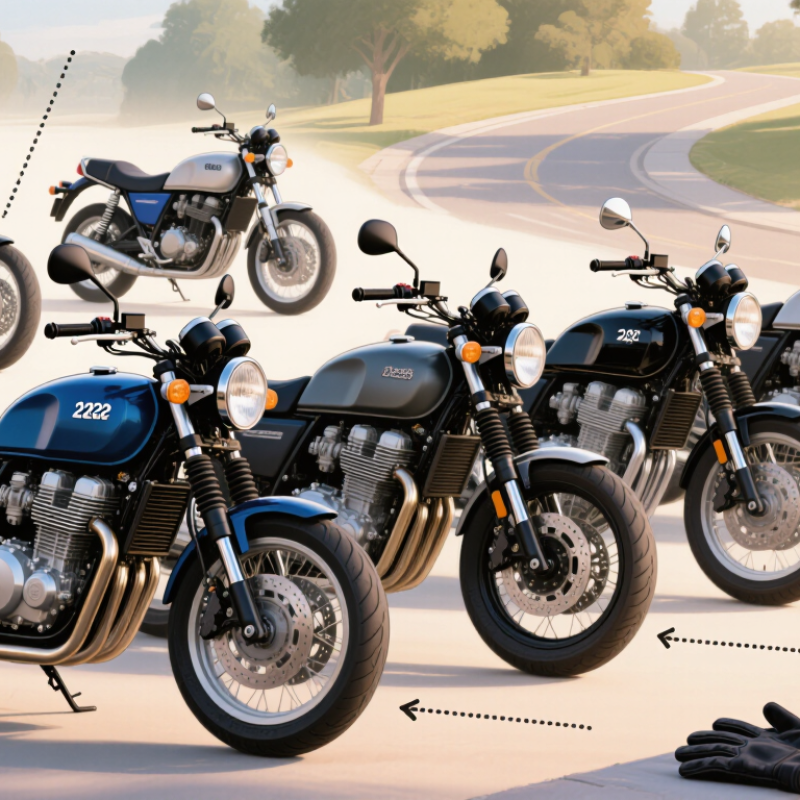
Cruisers are not one uniform class. A classic cruiser sits low, with forward-set footrests, a relaxed steering angle, and a broad saddle. Its steady, low-speed feel suits scenic rides, though the weight can make tight parking awkward. Lightweight cruisers use smaller engines and narrower frames. They are easier to push around, but may feel strained with a passenger or luggage. Try the riding position in person; a showroom seat can hide wrist or knee discomfort.
Bagger and touring cruisers add hard luggage, a windscreen, and often a passenger backrest. They make long days more comfortable, but extra mass matters in slow turns. Power cruisers emphasize stronger acceleration and firmer suspension. That can be engaging on open roads, yet less forgiving over broken pavement.
The Motorcycle Industry Council reported roughly 532,000 new motorcycle sales in the United States in 2023, across tracked categories; its figures do not isolate cruiser subtypes. The number signals a substantial market, not a reason to buy a larger bike.
Check seat height, curb weight, and passenger capacity against your actual routes. A full fuel tank changes the feel. So does a sloped driveway. For 2026, compare the specifications and test the controls before deciding.

Choosing a moto cruiser starts with an honest look at how you will ride. A short city commute calls for manageable weight, a relaxed reach to the bars, and easy low-speed control. Longer highway trips may make wind protection, fuel range, and passenger comfort more important. Be realistic about your experience, too. A heavy motorcycle can feel intimidating in a tight parking space, even when its seat is low. Fit matters.
Sit on several motorcycles and check whether your feet, knees, and hands feel comfortable. If possible, arrange a supervised test ride on familiar roads. Pay attention to stops, slow turns, and how the bike feels after a few minutes—not just how it looks in the showroom. That check is useful, but not perfect; fatigue and traffic can change your impression. Set a budget that includes protective gear, insurance, routine service, tires, and possible repairs. Leave some room for surprises. A lower purchase price may not mean lower ownership costs, especially on a used motorcycle with unclear service records. Ask a qualified mechanic to inspect it before you commit.
Engine size should suit your routes, not just your wish for power. A larger engine may feel relaxed on open roads, yet tiring in stop-and-go traffic. During a test ride, check whether your knees sit naturally and your wrists stay loose. Small details matter. This rule is imperfect: body shape, boots, and riding posture all change the fit.
Comfort and handling reveal themselves slowly. Try a familiar loop with rough pavement, tight turns, and a short highway stretch. Notice how easily the bike balances at low speed, and whether its weight feels manageable when parking. A low seat can help, but it does not guarantee an easy reach to the bars or controls. Your shoulders may offer a more honest verdict than the showroom mirror.
Safety features deserve equal attention. An Insurance Institute for Highway Safety analysis found motorcycles with anti-lock braking systems had 31 percent lower fatal crash rates per registered vehicle year than comparable models without ABS. That is an association, not a promise. NHTSA recorded 6,335 motorcyclist deaths in 2023. Ask about ABS, lighting visibility, and tire condition, then compare their operation in person. A specification sheet cannot predict your own wrist ache after an hour.
Choosing a moto cruiser in 2026 means looking beyond the sticker price. Add insurance, registration, fuel, scheduled servicing, and likely tire replacement to your budget. A comfortable seat matters, but so does the cost of keeping the bike ready for a long weekend. Ask a service technician for an itemized maintenance schedule, not just a broad estimate. Small costs add up.
Tips: Get a written service quote. Check local parts availability. Ask how long common repairs usually take. Compare warranty coverage and roadside assistance details. Keep a little money aside for surprises.
Reliability is difficult to judge from a short test ride. Review maintenance records on used bikes, inspect for leaks or uneven tire wear, and ask about recurring repairs. For new models, look for consistent owner feedback over time rather than relying on a few glowing reviews. I would not treat any single reliability score as a guarantee; riding conditions and upkeep matter. Dealer support deserves the same scrutiny. Call the service department before buying and ask about appointment wait times, technician training, and parts ordering. A friendly showroom is not enough. If the nearest service center is far away, factor in transport and lost riding time. I might still choose a less convenient option, but only with a realistic repair plan.
A cruiser can look comfortable while standing still, but fit becomes clearer once the wheels roll. Ask for a test ride that includes ordinary streets, not just a quick loop around a parking lot.
Before setting off, check whether both feet reach the ground naturally. Notice your wrist angle, knee bend, and distance to the handlebars. Small details matter.
During the ride, try a gentle stop, a slow turn, and a stretch of uneven pavement. Does the bike feel steady at low speed? Can you reach the controls without shifting your body? Listen for rattles, but pay closer attention to how the seat supports you after several minutes.
A short ride can fool you. If possible, compare two seat heights or handlebar positions on the same route. Take notes soon afterward; comfort is easy to misremember.
Bring the riding gear you normally wear, since thick gloves and a jacket can change how controls feel. Ask the seller about the bike’s weight and maintenance needs, then check those details in the owner’s manual or a qualified service source.
I may be overvaluing seat comfort here; it changes from person to person. Still, numb hands or strained shoulders are useful clues.
Don’t choose by engine sound alone. Pick the cruiser that feels manageable when stopping, turning, and riding at a relaxed pace.