Best High Temperature Rubber Foam Insulation Tube for Export?
When considering insulation materials, the "High Temperature Rubber Foam Insulation Tube" stands out for its unique properties. This product is designed to withstand extreme temperatures, making it ideal for various industrial applications. Many industries require robust insulation solutions, and this foam tube provides just that. Its flexibility allows easy installation in tight spaces, which enhances its usability.
In recent years, the demand for this insulation type has surged due to its effectiveness and durability. Companies are exporting these tubes to meet global needs. Yet, sourcing the best quality can be challenging. Some products may not meet the required standards, leading to potential failures in critical applications.
Experts recommend evaluating the material's performance under specific conditions. Not all manufacturers provide transparent specifications. Considering the variety of choices, potential buyers must do thorough research. The right selection could significantly impact energy efficiency and overall safety in operations. Ensuring quality remains a priority during this process.
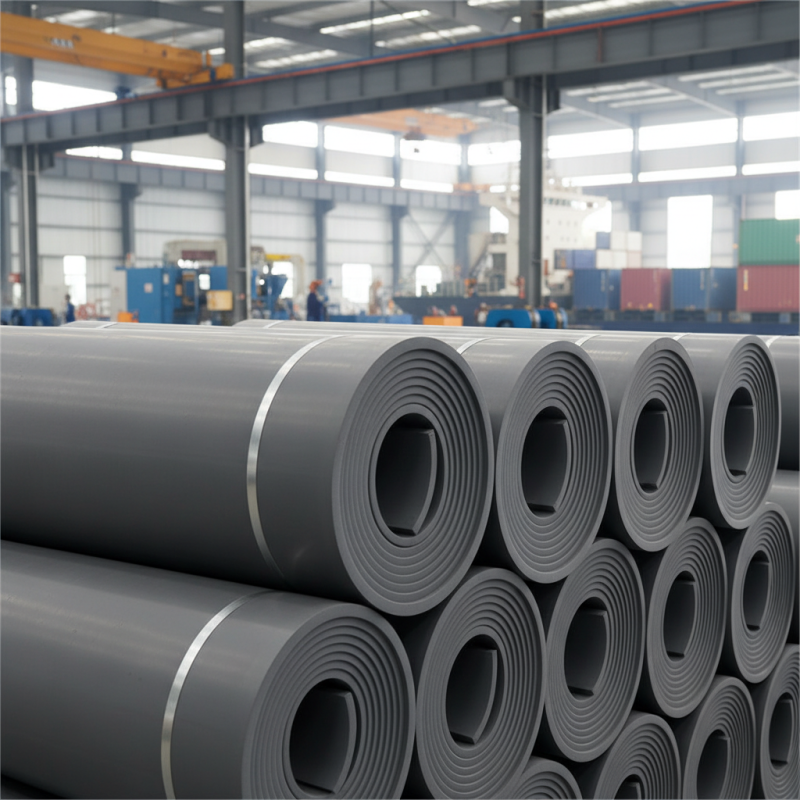
Overview of High Temperature Rubber Foam Insulation Tubes in Export Markets
High temperature rubber foam insulation tubes are essential in various industrial applications. Their ability to withstand extreme temperatures makes them ideal for export markets. According to a recent market analysis, the demand for these insulation materials is projected to grow by 5.7% annually. This surge is driven by increased industrial activities and the need for energy-efficient solutions.
Manufacturers are focusing on enhancing the thermal performance of rubber foam. The optimal thermal conductivity of high temperature rubber foam is around 0.034 W/m·K, providing excellent insulation. These tubes can maintain structural integrity under temperatures exceeding 100°C. Export markets favor materials that meet international safety standards. Certifications play a crucial role in this trade.
Tips: Focus on reliable suppliers with credible certifications. Quality assurance is vital for ensuring the longevity of insulation tubes. Consider regional temperature variations when selecting products. This will enhance overall performance.
While the market is expanding, challenges persist. Variability in raw material prices affects production costs. Manufacturers often face difficulties in sourcing high-quality materials consistently. Staying informed about industry trends is crucial for navigating these challenges effectively.
Overview of High Temperature Rubber Foam Insulation Tubes in Export Markets
Key Properties and Performance Characteristics of High Temperature Rubber Foam
High temperature rubber foam is increasingly favored for insulation in demanding environments. Its key properties include excellent thermal resistance and flexibility, making it ideal for applications in HVAC systems and industrial piping. According to a recent report from the Global Insulation Market, high-temperature insulation materials are projected to grow at a CAGR of around 5.7% between 2020 and 2026. This growth highlights the increasing reliance on effective insulation solutions.
One critical performance characteristic is the material's ability to withstand heat. High temperature rubber foam can often handle temperatures up to 200°C without degrading. This resistance to thermal breakdown is essential for maintaining efficiency in energy systems. For instance, in a study conducted by the Institute of Thermal Insulation, samples of high-temperature foam maintained 95% of their insulating properties after prolonged exposure to high heat.
However, not all products perform equally. Variability in quality can lead to inconsistent results. Some foams may lose integrity more quickly than expected under stress. It is important for exporters to ensure quality assurance in production. This step is vital to maintain reliability in high-temperature applications.
Global Market Trends and Demand for High Temperature Insulation Solutions
High temperature rubber foam insulation tubes are gaining attention in various industries. The demand for these materials is driven by the need for enhanced performance in extreme settings. Industries such as aerospace, automotive, and manufacturing require insulation that can withstand high temperatures without losing integrity. This trend highlights the importance of durability and energy efficiency.
Experts note a clear shift in the global market. More manufacturers are focused on producing high-quality insulation solutions. The growing concern for energy conservation fuels this demand. Companies are investing in research to develop products that not only resist heat but also meet environmental standards. However, the challenge lies in balancing performance with sustainability. Innovations must address both customer needs and ecological responsibilities.
The market is evolving, yet some producers still rely on outdated methods. This can lead to inconsistencies in product quality. Competitors must adapt quickly to stay relevant. As the sector grows, attention to detail is paramount. Companies that neglect this may find themselves at a disadvantage in a rapidly changing landscape.
Comparative Analysis of Leading Manufacturers in High Temperature Insulation
High temperature rubber foam insulation is crucial for industries that require thermal management. These materials protect against heat and energy loss. Leading manufacturers have developed products that withstand temperatures exceeding 200°C. According to a recent industry report, the global market for such insulation has shown a consistent growth rate of 5% annually. This growth is driven by increased demand in aerospace, automotive, and HVAC industries.
When comparing manufacturers, the analysis reveals varying levels of effectiveness. Some products provide excellent thermal conductivity, while others excel in durability. A key challenge remains the balance between cost and performance. Many companies explore innovative composites to enhance the thermal properties of their foams. However, this endeavor often results in higher production costs.
Recent surveys indicate that user satisfaction relies on specific performance metrics. Users prefer insulation that is lightweight yet robust. However, some manufacturers fall short in offering adequate temperature resilience. The discrepancy indicates a need for ongoing development. Industry stakeholders must invest in research to refine these insulation solutions. Continuous improvement is essential for meeting the growing demands of a competitive market.
Regulatory Standards and Compliance for Exporting Insulation Materials
When exporting high temperature rubber foam insulation tubes, compliance with regulatory standards is crucial. Many countries have specific requirements for insulation materials. These regulations often focus on safety, performance, and environmental impact.
For instance, the International Organization for Standardization (ISO) sets guidelines that ensure insulation materials meet performance criteria. According to a recent report by the Global Insulation Market Research, 70% of insulation failures trace back to non-compliance with standards. This underlines the importance of rigorous testing before export.
Moreover, environmental regulations like REACH (Registration, Evaluation, Authorisation, and Restriction of Chemicals) in the EU limit harmful substances in products. Exporters must be aware of these requirements. A study in the Journal of Environmental Materials showed that effective compliance can enhance market access. However, many exporters struggle with these complex regulations, leading to potential delays and costs. Regular updates on compliance standards are vital for maintaining a competitive edge in the market.
Best High Temperature Rubber Foam Insulation Tube for Export? - Regulatory Standards and Compliance for Exporting Insulation Materials
| Property | Value | Measurement Units | Compliance Standard |
| Temperature Resistance | -50 to 200 | °C | ASTM D1056 |
| Thermal Conductivity | 0.035 | W/m·K | ASTM C518 |
| Density | 60 | kg/m³ | ISO 845 |
| Flame Resistance | Self-extinguishing | N/A | UL 94 |
| Sound Absorption | 30 | dB | ASTM E413 |