What is Far UVC LEDs and How Do They Work?

Far Uvc Leds represent a cutting-edge technology in the fight against harmful pathogens. Experts believe these LEDs can change the way we think about disinfection. Dr. John D. W. Bullock, a leader in photonics research, states, "Far UVC LEDs could provide a safer disinfection solution without harming human skin."

The mechanism behind Far UVC LEDs involves emitting ultraviolet light at specific wavelengths that destroy viruses and bacteria. Unlike traditional UV light, Far UVC LEDs operate at wavelengths between 200-280 nm, which can kill pathogens effectively. However, they are safe for human exposure, making them a promising choice for public spaces.

Significant challenges remain in the widespread adoption of this technology. Many researchers are still studying the effectiveness and long-term safety of Far UVC LEDs. The balance between efficacy and safety needs careful consideration. While we see the potential benefits, further investigation is required to address the uncertainties. The journey toward integrating Far UVC LEDs in everyday environments is just beginning, and ongoing research will guide us in this evolving field.
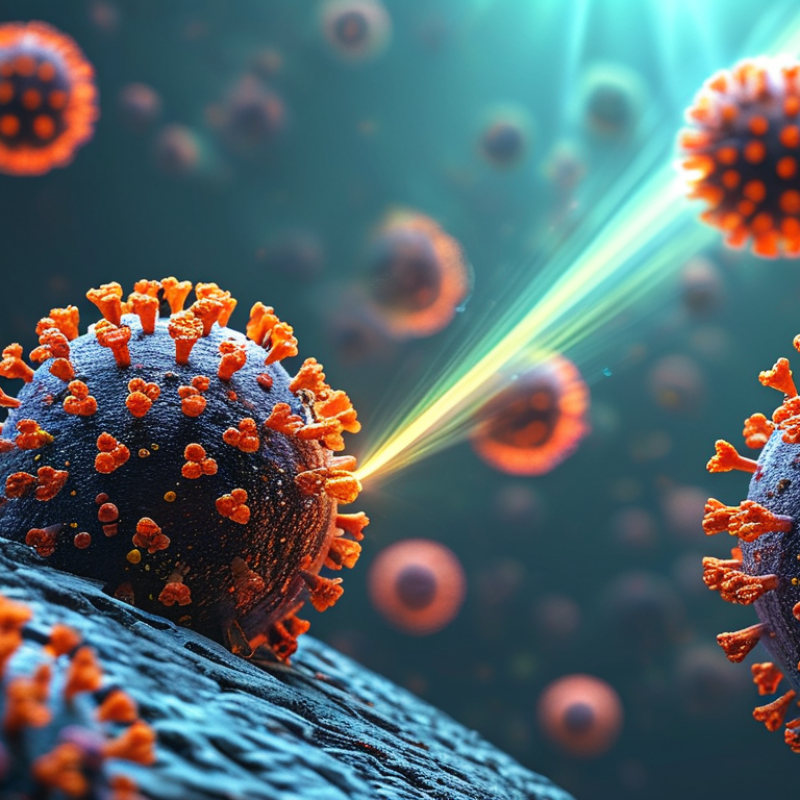
What is Far UVC LEDs and How Do They Work?

What Are Far UVC LEDs? Definition and Overview

Far UVC LEDs represent a significant advancement in the field of ultraviolet (UV) light technology. Unlike traditional UV sources, far UVC LEDs emit light at shorter wavelengths, specifically between 200 to 280 nanometers. This range offers unique benefits for disinfection applications while being less harmful to human health. Far UVC light can effectively inactivate pathogens such as viruses and bacteria without causing skin and eye damage.


Research has shown that far UVC LEDs provide a promising solution for sterilization in public spaces. They can be integrated into lighting systems, effectively sanitizing areas while occupants remain safe. However, further studies are essential to understand long-term exposure effects on various living organisms. Experts continue to investigate the balance between efficacy and safety in practical applications.


The potential is vast, yet the implementation poses challenges. Scaling production for widespread use remains a hurdle. There are also logistical issues surrounding UV exposure in different environments. As far UVC technology evolves, continuous dialogue among scientists, engineers, and public health officials is necessary. Addressing these complexities will enable the responsible use of far UVC LEDs.


The Science Behind Far UVC LEDs: Wavelengths and Mechanism

Far UVC LEDs emit light at wavelengths between 200 and 280 nanometers. This range is effective at deactivating bacteria and viruses. Unlike conventional UV light, Far UVC poses less risk to skin and eyes. It works by altering the DNA and RNA of pathogens. This mechanism prevents them from replicating and causing infections.

The science of Far UVC involves understanding its interaction with cellular structures. Microbial cells absorb Far UVC light. It disrupts their molecular integrity, making them harmless. This germicidal process occurs quickly, often in seconds. However, research is ongoing to determine the safe exposure levels for humans.

Use of Far UVC technology is promising but requires caution. While effective, its long-term impact on health is still uncertain. More studies are needed to validate its safety in public spaces. As experts explore its potential, a balance between efficacy and safety must be maintained. Society benefits from advanced sanitation methods, yet the implications of their use should be thoughtfully examined.

Applications of Far UVC LEDs in Disinfection and Public Health

Far UVC LEDs are emerging as a promising tool in disinfection and public health. These ultraviolet light-emitting diodes operate at wavelengths between 200-280 nanometers. This range is effective at inactivating pathogens, including bacteria and viruses, without harming human skin or eyes.

In healthcare settings, Far UVC LEDs are being tested for use in various environments. Hospitals can integrate these lights into air circulation systems. This can reduce pathogen levels in patient rooms. Schools and public spaces may also benefit from far UVC technology. They can help maintain safer environments during cold and flu seasons.

However, the use of Far UVC LEDs is not without challenges. Research is still ongoing regarding the long-term effects of exposure to these wavelengths. There is a need for careful guidelines to ensure safety. Public acceptance of this technology may take time. Transitioning to these advanced solutions will require education and awareness efforts.

Safety Considerations: Impact of Far UVC on Human Skin and Eyes

Far UVC LEDs represent a groundbreaking technology in the realm of disinfection. They emit ultraviolet light at a wavelength between 200 to 280 nanometers. This range is effective in inactivating pathogens. However, when discussing their safety, especially concerning human skin and eyes, caution is essential.

Research indicates that far UVC light is less harmful than traditional UV light. Studies show that it does not penetrate the outer layer of human skin. This implies a lower risk of skin damage or cancer, making it potentially safer for public spaces. However, the effects on the eyes are still under investigation. Extended exposure may lead to irritation or discomfort. Scientists urge further research to understand long-term implications on eye health.

Awareness of potential risks is crucial. While far UVC technology holds promise, it may not be entirely without dangers. Implementing strict safety guidelines is essential for its widespread use. Users should remain vigilant, as we are still learning about the broader impacts of this innovative light source. In conclusion, responsible application and continued study are necessary to maximize benefits while minimizing risks.

What is Far UVC LEDs and How Do They Work? - Safety Considerations: Impact of Far UVC on Human Skin and Eyes

Parameter Description Safety Levels on Skin Safety Levels on Eyes
Wavelength Far UVC LEDs emit light at wavelengths between 200-280 nm Considered safe for skin exposure Potential for limited impact, further studies needed
Disinfection Efficiency Effective in inactivating bacteria and viruses Safe for prolonged exposure May cause discomfort with extended exposure
Regulatory Standards Meets safety guidelines set forth by health organizations Guided by safety limits on UV radiation Guided by ocular safety limits
Applications Used in hospitals, public transport, and workplaces Safe for environment and personnel No significant risk in standard use conditions

Current Research and Future Prospects for Far UVC Technology

Far UVC technology is an intriguing area of research. Unlike conventional UV light, Far UVC light operates at wavelengths around 200-280 nanometers. It has been shown to effectively kill pathogens while being less harmful to human skin and eyes. This unique characteristic opens up new possibilities for safe disinfection in various environments.

Current research focuses on expanding the applications of Far UVC LEDs. Studies explore their effectiveness in crowded spaces like hospitals and public transportation. The goal is to create safer environments with minimal health risks. However, there are challenges. Understanding the long-term effects of exposure on human tissues is necessary for safe implementation. More studies are needed to fully explore how Far UVC can be deployed effectively.

*Tip: When considering Far UVC technology, think about its applications in your surroundings. Could it help improve air quality in your workplace?*

Researchers are also looking into energy efficiency and the longevity of Far UVC devices. It’s crucial to balance efficacy with practical usage. Investigations are ongoing to refine the optics and output of these LEDs. Innovation could lead to widespread use in everyday life, making spaces cleaner without harming health.

*Tip: Stay informed about the latest research in Far UVC. Understanding the science can help you make informed decisions.*

Far UVC LEDs: Current Research and Future Prospects

This chart illustrates the research output on Far UVC technology over recent years, showcasing the number of publications and patents from 2018 to 2022. The increasing trend indicates a growing interest in Far UVC technology for health and safety applications.

Article Source:

Wordpress Social Share Plugin powered by Ultimatelysocial
Facebook
X (Twitter)
YouTube
LinkedIn
Share

Purchase Product Request

Request Pricing