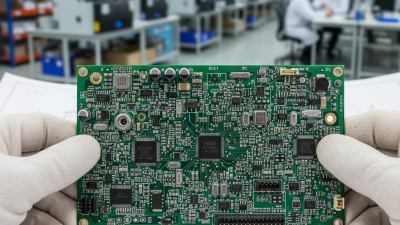
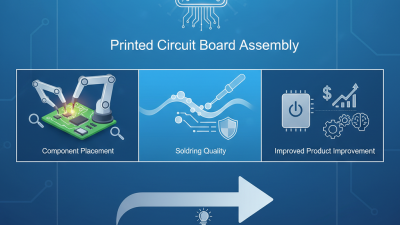
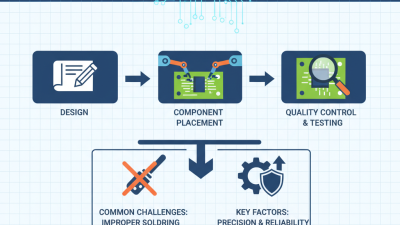
In the rapidly evolving world of PCB fabrication, quality and cost are crucial factors. Renowned expert, Dr. Emily Chen, once stated, "Quality in PCB fabrication is not just about materials; it's a holistic process." This perspective highlights the multifaceted nature of achieving excellence in the production of printed circuit boards.
Many variables impact both the quality and cost of PCB fabrication. For instance, the choice of materials can determine durability and performance. Advanced technologies, such as automated assembly, can enhance precision but may increase initial costs. Proper planning is essential to manage expenses effectively without sacrificing quality.
However, one must also reflect on the common pitfalls. Overspending on high-end materials without thorough testing often leads to waste. Inexperienced teams sometimes overlook critical steps, jeopardizing the entire production cycle. Balancing quality and cost is not a simple task; it requires continuous evaluation and improvement in the PCB fabrication process.

When fabricating printed circuit boards (PCBs), the choice of materials plays a pivotal role. Material selection can directly impact the quality and cost of the final product. Various factors influence this decision. For instance, thermal performance, dielectric properties, and mechanical strength are essential. Engineers must consider application requirements, as these metrics fluctuate based on specific functions.
A PCB designed for high-frequency applications may need specialized materials. These alternatives often come at a higher cost. Understanding how these materials affect performance is crucial. Sometimes, opting for cheaper materials can lead to failures in functionality. It’s essential to strike a balance between cost efficiency and reliability.
Tip: Always assess the application scope early on. This helps guide material selection effectively.
Another factor is availability. Some high-performance materials can have longer lead times or reduced accessibility. This could delay production schedules. Managing these timelines is vital for project success. Keeping a contingency plan can mitigate risks.
Tip: Build relationships with suppliers. A reliable supply chain can ease material acquisition challenges.
Ultimately, understanding how material properties correlate with design objectives can lead to better outcomes. Experienced engineers often learn through trial and error. This iterative process helps refine future material choices. Adjustments based on feedback can significantly improve both quality and cost.
The manufacturing techniques used in PCB fabrication directly impact both quality and cost. For example, the choice between selective soldering and wave soldering can dramatically affect a project's bottom line. Selective soldering may provide higher precision but is often more costly and time-consuming. Balancing quality with budget constraints can be challenging, especially when the demand for higher circuit density increases.
In addition, the substrate material plays a crucial role. Using high-frequency materials may lead to better performance but at a premium price. Many manufacturers struggle to find the right balance between quality materials and cost-effectiveness. Improper handling techniques during fabrication can further complicate the process, leading to defects and rework, which inflate expenses.
Understanding the nuances of various manufacturing techniques can help optimize the fabrication process. This necessitates constant evaluation of methods to improve output quality while containing costs. Many in the industry overlook the importance of continuous education for their workforce. Investing in training often pays off, though it may not be immediately visible. The road to achieving high-quality PCBs is complex, requiring thoughtful consideration of every manufacturing detail.
| Factor | Impact on Quality | Impact on Cost | Manufacturing Technique |
|---|---|---|---|
| Material Selection | High quality materials enhance durability and performance. | Premium materials increase overall costs. | Standard Laminate vs. High-Frequency Laminate |
| Design Complexity | Complex designs can lead to manufacturing challenges affecting yield. | More complex designs often require more time and resources. | Multi-layer vs. Single-layer PCBs |
| Production Volume | Higher volumes typically lead to better quality consistency. | Economies of scale lower per-unit costs. | Batch Production vs. Mass Production |
| Processing Speed | Faster processing can reduce defects if well managed. | Increased speed may require higher investment in technology. | Conventional vs. Advanced Manufacturing Techniques |
| Inspection Techniques | Robust inspection reduces the chances of defective products. | Investment in quality control increases upfront costs. | Automated Inspection vs. Manual Inspection |
| Soldering Techniques | Quality solder joints impact electrical performance. | Advanced techniques may be more costly but improve reliability. | Wave Soldering vs. Reflow Soldering |
| Lead-Free Process | Lead-free solder promotes safety but may require new techniques. | Initial cost may increase due to new materials and training. | Transitioning from Leaded to Lead-Free Manufacturing |
| Environmental Compliance | Adhering to regulations maintains quality and safety standards. | Compliance may increase operational costs. | RoHS Compliance in Manufacturing |
| Post-Fabrication Testing | Rigorous testing ensures reliability and performance. | Higher testing can lead to increased costs. | Functional Testing vs. Automated Testing |
| Supplier Quality | Reliable suppliers ensure high-quality components. | High-quality components may come at a premium price. | Local vs. Global Sourcing |
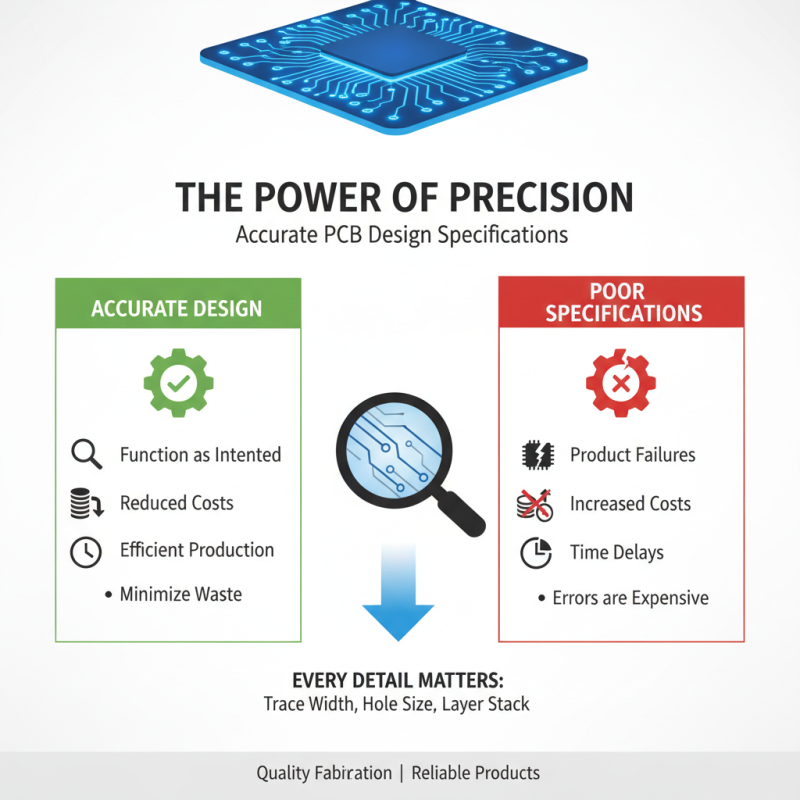
The design specifications of a PCB play a crucial role in its fabrication quality and cost. Accurate design ensures that engineers can produce boards that function as intended. Poor specifications can lead to wasted materials and time. Small errors in design can have significant impacts on the final product. Each detail matters, from trace width to hole size. When designs are not detailed correctly, the entire process can be inefficient.
Here are some tips for optimizing PCB design:
- Use software tools for precision.
- Double-check key specifications before finalizing designs.
- Collaborate closely with fabrication teams to align on requirements.
Efficient PCB production depends on the clarity of the design. Ambiguous specifications can confuse manufacturers and lead to mistakes. This often results in rework, increasing costs and extending deadlines. Simple design changes can pose unexpected challenges. Reflecting on previous projects allows engineers to identify areas for improvement. Continuous learning is essential in this evolving field.
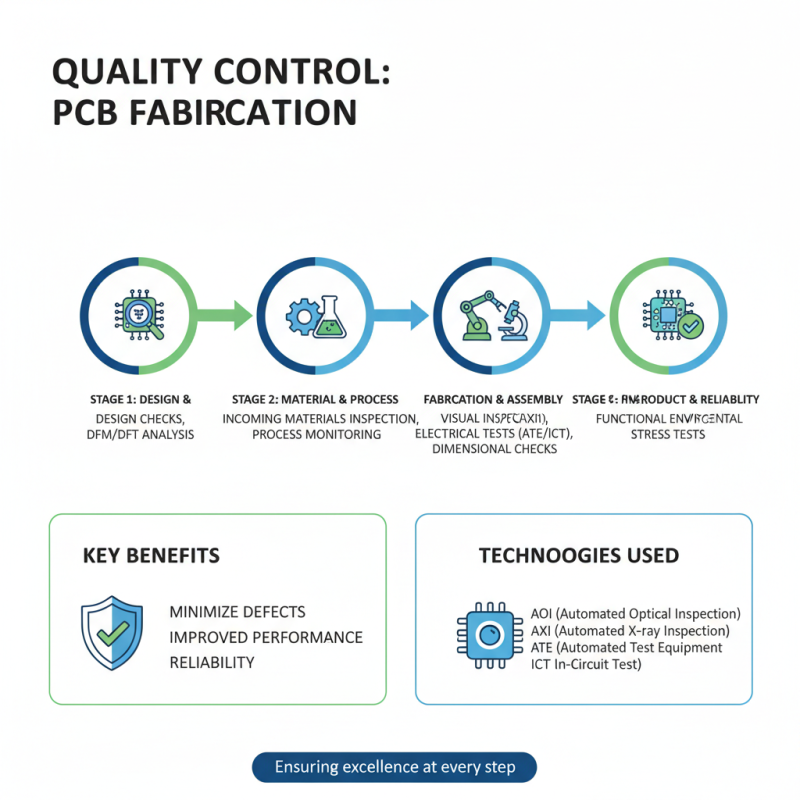
Quality control plays a vital role in PCB fabrication. Effective measures ensure that the final product meets specifications and performance expectations. Regular inspections at different fabrication stages minimize defects. Visual checks catch obvious flaws like scratches or misprints. Automated testing can detect electrical issues across multiple units efficiently.
However, quality control is not foolproof. Even with thorough testing, errors can slip through. Some manufacturers may prioritize speed over precision, leading to cost-cutting in quality checks. This approach can jeopardize the reliability of PCBs. Continuous improvement practices can help address such shortcomings. Staff training and building a culture of quality are crucial.
Documentation of quality procedures is another area needing attention. Without clear records, tracking issues becomes difficult. Teams may overlook crucial data trends that could indicate recurring problems. Investing in advanced quality management software can enhance oversight, but it can also create complexities. Balancing technology and accountability is key to improving PCB outcomes while managing costs effectively.
When considering PCB fabrication, sourcing components is critical. The components chosen can significantly affect both quality and cost. High-quality components often increase expenses, while lower-cost parts may compromise performance. It's essential to strike a balance.
Tips: Always evaluate component suppliers carefully. Check their reliability and quality standards before placing orders.
Import duties and shipping costs can also inflate expenses. Sometimes, choosing local suppliers can mitigate these costs. Yet, it's wise to ensure that local options meet quality requirements. Sourcing internationally can offer savings, but it comes with risks. Be prepared for potential delays.
Tips: Request samples before bulk purchases. This step can reveal if the components meet your specifications.
Components with varying lead times can cause production delays. Predicting these times aids in planning your fabrications better. Identifying the right mix of components is essential for avoiding pitfalls. Quality should never be sacrificed for cost savings, yet some trade-offs may be necessary in tight budgets.
This bar chart illustrates the impact of various factors on PCB fabrication quality and cost. The data highlights the top ten elements that play a significant role in determining the overall efficiency and expense related to PCB manufacturing.