Essential Tips for Effective Circuit Board Design Strategies?
In the modern world of technology, effective circuit board design is crucial. It serves as the backbone of nearly every electronic device. Proper design impacts reliability, performance, and cost. However, many designers face common challenges in this complex process.
Understanding the essential principles of circuit board design can significantly enhance the outcome. Factors such as layout, component placement, and material selection must be carefully considered. Mistakes can lead to inefficiencies and costly reworks. It’s important to reflect on past projects to learn from those errors.
Ultimately, a well-thought-out circuit board design balances originality and functionality. Designers must navigate a landscape filled with both innovation and tried-and-true practices. Embracing these strategies fosters a more effective design process.
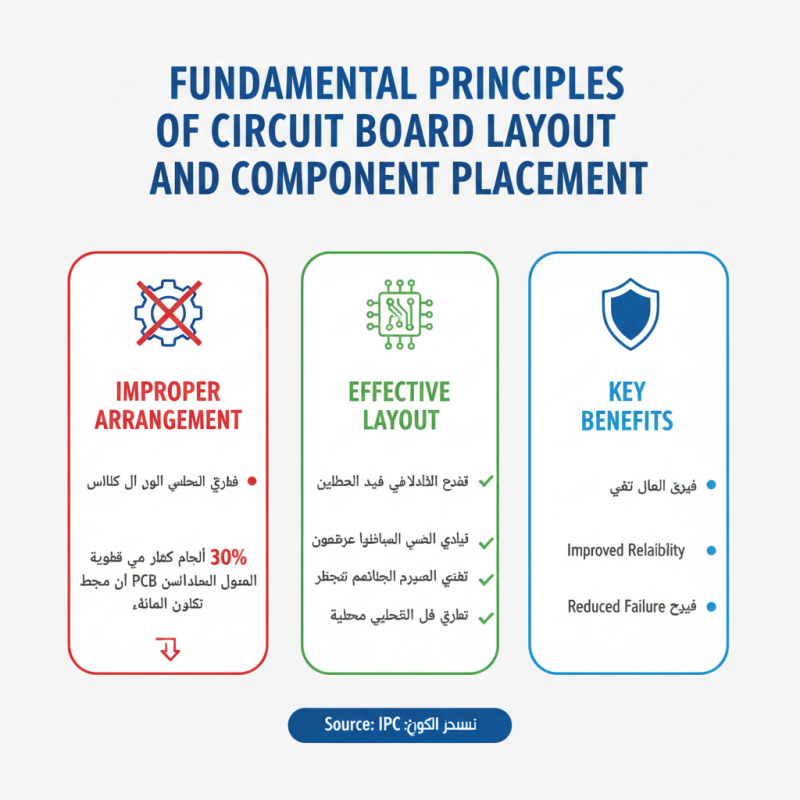
Fundamental Principles of Circuit Board Layout and Component Placement
When designing a circuit board, effective layout and component placement are crucial. Studies show that improper component arrangement can lead to performance issues. According to a report from IPC, about 30% of PCB failures stem from layout errors. Ensuring that components are correctly placed reduces the risk of signal interference and enhances device reliability.
Another significant factor is trace routing. Shorter traces can minimize inductive and capacitive effects. A clear understanding of signal flow is essential. For example, high-speed signals should be routed away from noisy components. This requires careful planning and foresight, as last-minute adjustments can create unintentional problems.
Thermal management is often overlooked but is equally important. Proper spacing and placement can dissipate heat effectively. Failing to consider thermal dynamics can lead to hot spots. Data suggests that up to 25% of PCB redesigns are due to thermal issues. Hence, every element must be examined critically. Every decision can have a lasting impact on performance and reliability.
Optimizing Electrical Performance Through Signal Integrity Techniques
When designing circuit boards, signal integrity is crucial for optimizing electrical performance. Many engineers overlook the effects of trace impedance and crosstalk, which can lead to degraded signal quality. According to a 2022 industry report, poor signal integrity can cause up to 30% of electronic failures in high-speed applications.
To achieve better signal integrity, consider using differential signaling for high-speed data lines. This technique helps minimize noise and reduces electromagnetic interference. Additionally, proper termination of signal lines can significantly reduce reflections. In fact, a study published by IPC reveals that proper impedance matching can improve signal quality by at least 50%.
Ground bounce and power supply noise are common issues that can further complicate design. Engineers often underestimate the impact of return paths on signal integrity. A well-planned ground plane can reduce these problems. Incorporating vias strategically can enhance the performance of a design. Regular design reviews and simulations are necessary for identifying potential pitfalls. They can help improve a design before it goes to production.
Electrical Performance Optimization through Signal Integrity Techniques
Designing for Manufacturability and Assembly Efficiency
When designing for manufacturability and assembly efficiency, clarity is paramount. The layout must facilitate easy access for automated equipment. This makes it simpler to assemble components without the risk of misalignment. A well-organized design reduces the chance of defects during production.
Choosing components wisely is essential. Opt for parts that are readily available and cost-effective. This decision impacts the entire manufacturing process. Additionally, think about the order of assembly. Design your circuit board so that larger components are placed first. This approach eases the assembly of smaller parts around them.
Another important factor is test points. Include access points for testing that do not interfere with the design integrity. This helps in troubleshooting post-assembly issues. However, balancing these elements can be tricky. You may need to revisit your design multiple times to find the right combination. Reflecting on past projects can yield valuable insights, preventing repeated mistakes.
Thermal Management and Power Distribution Considerations
Thermal management is critical in circuit board design. As electronics become more compact, heat dissipation poses significant challenges. Effective cooling techniques can enhance performance and extend the life of components.
One method involves using thermal vias. These small conductive paths transfer heat from the surface to inner layers. Strategically placing them near heat-generating components can lower temperatures effectively. Additionally, copper pours can create thermal mass, improving heat distribution across the board.
Power distribution is equally important. Poor routing can lead to voltage drops and increased heat. Utilize wider traces for high current areas. Simulation tools can help identify potential hot spots and evaluate different layouts before physical implementation. Regular checks during the design process are necessary. Sometimes overlooked, these details can impact functionality significantly.
Validation and Testing Strategies for Reliable Circuit Boards
Validation and testing strategies play a crucial role in the reliability of
circuit boards. According to industry reports, nearly 30% of circuit board failures occur during production. This highlights the importance of
robust testing methodologies. Effective validation begins with
simulations to predict performance under various conditions. Tools like
thermal and electrical simulations can identify potential weaknesses early.
Physical testing follows simulation, where prototypes undergo rigorous assessments. Functional tests check if the circuit meets design specifications. Environmental tests evaluate durability under extreme conditions. A study from the IPC shows that
55% of companies reported improved reliability through thorough testing processes. Yet, many firms overlook these stages, leading to unforeseen failures.
Effective documentation during every phase enhances the overall process. Maintaining records of all validation steps provides insight for future designs. Learning from past mistakes is vital for improvement. The focus should not only be on passing tests but also understanding the reasons behind failures.
Continuous refinement in the testing strategy ensures long-term reliability and efficiency in circuit board design.