Eco Friendly Batteries for Sustainable Energy Solutions?
The urgent need for sustainable energy solutions drives innovation in battery technology. Eco-Friendly Batteries have garnered attention for their potential to mitigate environmental issues. According to a report by MarketsandMarkets, the global eco-friendly battery market is expected to reach $16.5 billion by 2027, growing at a CAGR of 20.4%. This growth highlights the increasing demand for environmentally responsible energy storage options.
Despite this promising trend, challenges remain. Eco-Friendly Batteries are often limited in performance compared to traditional lithium-ion variants. A study from the International Energy Agency revealed that only a fraction of the energy storage market is currently dominated by green technologies. Industry experts emphasize the need for advancements in materials and recycling processes to enhance efficiency.
Moreover, public awareness and acceptance of these options are still in development. Many consumers are unfamiliar with the benefits of Eco-Friendly Batteries. Bridging this gap requires engaging educational initiatives and transparent marketing strategies. As the market evolves, it is crucial to reflect on both the successes and the hurdles that lie ahead in the pursuit of sustainable energy solutions.
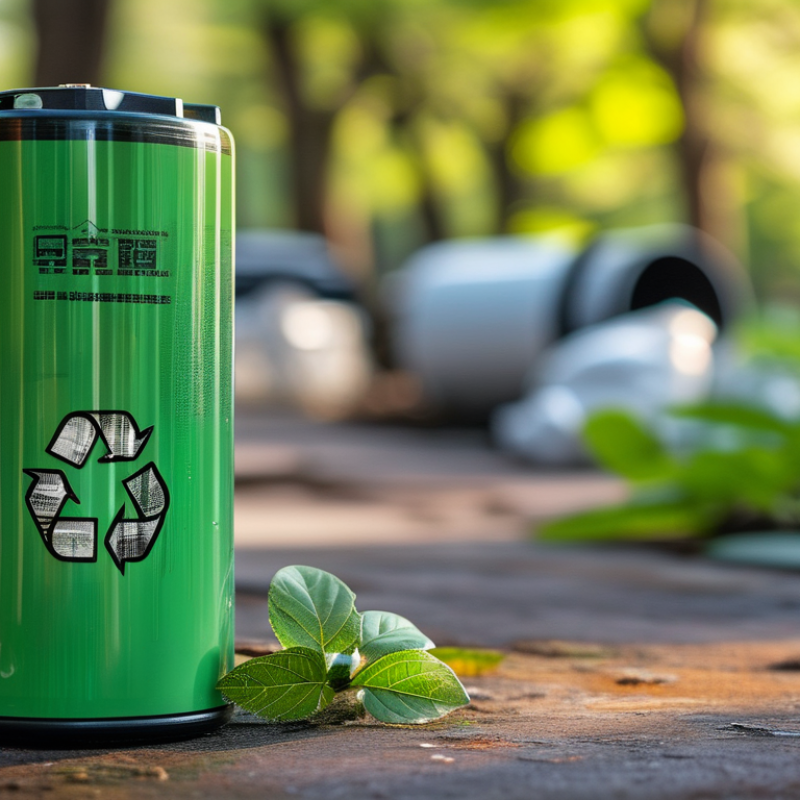
Eco-Friendly Battery Types and Their Advantages
Eco-friendly batteries are revolutionizing the energy sector. These innovative solutions provide a sustainable alternative to conventional batteries. With the growing concern about environmental impact, many are exploring different battery types that prioritize sustainability.
Lithium iron phosphate (LiFePO4) batteries are popular for their safety and longevity. They endure numerous charge cycles, making them highly efficient. Additionally, they are less toxic compared to traditional lithium batteries. However, sourcing lithium still raises environmental concerns. Meanwhile, organic flow batteries offer a unique advantage. They utilize organic materials which can be sourced sustainably. They also provide a safer, lower environmental risk compared to conventional options.
Solid-state batteries represent another eco-friendly innovation. They use solid electrolytes, minimizing the risk of leakage. They also promise higher energy densities. Despite this potential, manufacturing solid-state batteries is still a complex process. Innovations in eco-friendly batteries will continue to emerge. Exploring their advantages and challenges is crucial for our sustainable future.
Key Materials Used in Sustainable Battery Manufacturing
The shift towards eco-friendly batteries is essential for sustainable energy solutions. Key materials used in their manufacturing play a significant role in reducing environmental impact. Lithium-ion batteries, predominant in renewable energy systems, utilize lithium, cobalt, and nickel. However, the extraction of these metals often leads to environmental degradation. Reports indicate that cobalt mining has caused deforestation and pollution in several regions, raising concerns over its sustainability.
Alternatives are emerging. Sodium-ion batteries and solid-state batteries are gaining traction. Sodium, which is more abundant and less harmful than lithium, presents a promising option. Studies have shown that sodium-ion technology can potentially reduce production costs by up to 50%, making it more accessible. Yet, these technologies need further research to enhance their performance and reliability.
Tips: When considering sustainable energy solutions, it's crucial to evaluate the lifecycle of battery materials. Look for companies prioritizing innovative recycling methods. Sustainable practices contribute to a greener future, yet the challenge lies in balancing performance with ecological responsibility. Remember that each choice we make impacts the planet.
The Role of Eco-Friendly Batteries in Renewable Energy Storage
Eco-friendly batteries play a crucial role in renewable energy storage. As renewable energy sources like solar and wind become more prominent, storing this energy efficiently is essential. Reports show battery storage could grow to 1,095 GWh by 2030, realizing significant CO2 reductions. The transition to sustainable batteries can reduce the environmental impact often linked with traditional battery production.
These batteries are designed to minimize waste and maximize performance. For instance, newer technologies like lithium-sulfur batteries promise longer life cycles and lower toxicity. Some studies indicate they can increase capacity by up to 500% compared to conventional lithium-ion batteries. However, the production processes still pose challenges. Sourcing sustainable materials remains a significant concern.
Tips: When considering eco-friendly batteries, research the materials used. Ensure they meet industry standards for sustainability. Evaluate the battery's life cycle. It’s important to consider disposal methods. Recycling options vary, and some eco-friendly batteries have better recovery rates. Choose responsibly to contribute to a greener future.
Eco-Friendly Batteries in Renewable Energy Storage
Challenges and Innovations in Eco-Friendly Battery Technology
The development of eco-friendly batteries focuses on reducing environmental impact.
Traditional batteries often contain harmful materials. These pose a serious risk to ecosystems. Innovations aim to address this challenge. Researchers explore alternatives like lithium-sulfur and solid-state batteries. These technologies promise higher energy densities and less toxic components.
However, achieving mass production of eco-friendly batteries remains a hurdle. Cost-effective manufacturing processes are still in development. Scalability is crucial for widespread adoption. The recycling of battery materials also poses a significant challenge.
Efficient recycling methods need to be established to handle future demands.
Moreover, public awareness of eco-friendly batteries is essential. Many still lack understanding of the benefits. Education can drive a switch to sustainable options. Collaboration between scientists and industries will accelerate innovation.
Continuous improvement is necessary to make these technologies viable. The journey towards eco-friendly batteries is complex but vital for sustainable energy solutions.
Future Trends in Sustainable Battery Solutions for Energy Needs
The demand for sustainable energy solutions is driving significant innovation in battery technology. A recent report from the International Energy Agency highlights that global battery demand is expected to grow nearly 30 times by 2030. This surge is primarily due to the increased reliance on renewable energy sources. However, traditional battery production often involves hazardous materials and processes that can be harmful to the environment.
One promising trend is the development of eco-friendly batteries. These alternatives use safe, abundant materials like sodium and zinc. Studies indicate that sodium-ion batteries could have a lower carbon footprint compared to lithium-ion batteries. They are more accessible, which could help democratize energy storage solutions. Yet, challenges remain. The energy density of these batteries is typically lower, which calls for ongoing research and development.
Moreover, the recycling of batteries presents another hurdle. Current recycling rates are disappointingly low. The National Renewable Energy Laboratory reports that less than 5% of lithium-ion batteries are recycled. Improving recycling methods can turn old batteries into new resources. This approach is crucial for achieving a circular economy in battery technology. As the industry evolves, addressing these issues will be vital for a sustainable future.