Why Choose a Cylindrical Gearbox for Your Industrial Needs?
In the realm of industrial machinery, selecting the right components is crucial. When it comes to gear systems, the "Cylindrical Gearbox" stands out for its reliability and performance. Expert James T. Harper, a prominent figure in mechanical engineering, emphasizes, "A well-designed cylindrical gearbox is the backbone of efficient operations." His insight highlights the importance of choosing the right gearbox for specific applications.
Cylindrical gearboxes offer unique advantages. They provide high torque capacity while maintaining a compact design. This is essential for industries that require robust machinery without excessive space. The precision in the alignment of gears also contributes to reduced noise and increased durability. However, not all cylindrical gearboxes are created equal. Some may struggle under heavier loads.
Understanding the operational demands is critical. Each industry presents unique challenges, and gearboxes must match those needs. Failure to do so can lead to inefficiencies. A careful study of specific requirements can make all the difference. In an era of continuous improvement, the cylindrical gearbox remains a staple in many mechanical applications.
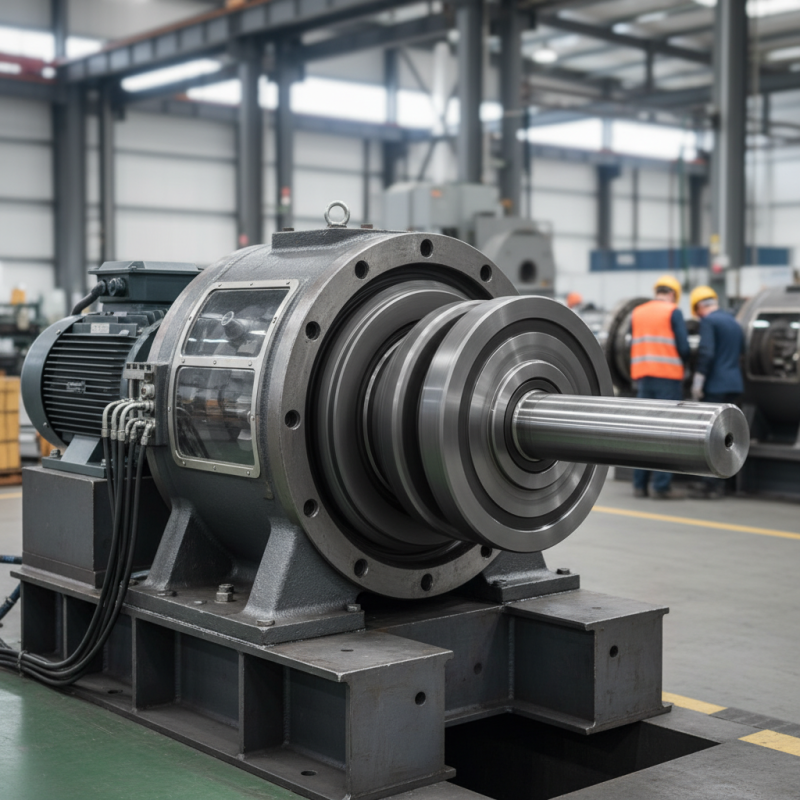
Understanding Cylindrical Gearboxes and Their Applications
Cylindrical gearboxes are a staple in industrial applications due to their efficiency and durability. These gear systems offer a unique design that allows for smooth power transmission, making them ideal for various machines. They are commonly used in conveyor systems, industrial mixers, and pumps, providing necessary torque and speed reduction. Their design minimizes backlash, enhancing precision in applications where accuracy is crucial.
Manufacturers often rely on cylindrical gearboxes for their ability to handle heavy loads while maintaining operational stability. The materials used in their construction ensure longevity, but regular maintenance is essential. Over time, wear and tear can impact performance. Understanding lubrication and gear alignment becomes vital. Many industries overlook these aspects, leading to inefficiencies.
Each application demands specific gear ratios. This requirement can complicate the selection process. Getting the ratio wrong may result in inadequate performance. Thus, consulting with an expert can facilitate better decisions. Overall, cylindrical gearboxes remain a popular choice in industrial settings because of their adaptability and reliability. However, ongoing evaluation of their performance ensures they meet evolving operational needs.
Advantages of Cylindrical Gearboxes in Industrial Settings
Cylindrical gearboxes are popular in industrial settings due to their efficiency and versatility. These gear systems work on the principle of cylindrical gears, which feature parallel shafts. This design ensures smooth power transmission. Operators can rely on them for consistent performance in various applications.
Using a cylindrical gearbox can significantly increase operational efficiency. Their compact design maximizes space, making them suitable for limited areas. Additionally, they allow for higher torque transmission. This enhances productivity without compromising performance. However, regular maintenance is essential. Neglecting this may lead to unexpected failures.
Tip: Keep your gearboxes well-lubricated. This decreases wear and enhances their lifespan. Ensure proper alignment during installation to avoid additional strain.
Choosing the right gearbox is crucial for optimal performance. Consider parameters like load capacity and gear ratio. Understand potential challenges, such as noise levels in specific environments. In some cases, adjustments may be necessary to meet specific operational demands.
Tip: Regularly monitor the gearbox for unusual sounds. This can be an early warning of potential issues. Engage with experienced professionals for periodic assessments to prevent costly downtime.
Comparison with Other Gearbox Types: Why Choose Cylindrical?
Cylindrical gearboxes are a popular choice in industrial applications. They excel in power transmission and torque efficiency. Compared to other types, they have distinct advantages. For instance, they produce less vibration and noise, which benefits sensitive machinery.
However, cylindrical gearboxes are not always perfect. Their initial cost can be higher than alternatives, like bevel gears. Users should also consider maintenance needs. Regular checks are necessary to ensure optimal performance. Neglect could lead to decreased efficiency or even system failure.
Tip: Always evaluate the load requirements before selecting a gearbox type. This will save time and resources down the line.
Unlike some gear designs, cylindrical models offer a straightforward installation process. This simplicity can lead to less downtime during repairs. However, their size may be a limitation in compact spaces. Users must strike a balance between size and performance.
Tip: Consider modular designs if space is a concern. They can provide flexibility without sacrificing power.
Key Factors to Consider When Selecting a Cylindrical Gearbox
When selecting a cylindrical gearbox, consider several key factors. Size is crucial; a compact design allows for easier integration into existing systems. Gear ratio is another important aspect. It directly influences the torque and speed output. A higher gear ratio may provide more torque but at a lower speed. Ensure that the ratio fits your application's specific requirements.
Material composition plays a significant role in durability. Look for gearboxes made of high-quality alloys or composites. These materials can withstand harsh operating conditions. Noise levels also deserve attention. Some gearboxes operate quietly, while others can be considerably loud. This could impact the working environment.
Currently, many users overlook maintenance needs. A gearbox may require regular lubrication and inspection. Lack of attention here can lead to failures. It’s vital to assess how often maintenance will be needed and plan accordingly. Additionally, cost is often a deciding factor. While it may be tempting to choose the cheapest option, quality should not be compromised. Always weigh the long-term benefits against the initial investment.
Gearbox Selection Criteria for Industrial Applications
This bar chart illustrates the key factors to consider when selecting a cylindrical gearbox for industrial applications. The ratings represent the importance of each factor, with torque capacity being the most critical and weight being relatively less significant.
Maintenance and Longevity of Cylindrical Gearboxes in Industry
Cylindrical gearboxes are often chosen for their reliability and efficiency in various industrial applications. Their robust design leads to extended lifespans, with many units lasting over 10 years when properly maintained. Reports indicate that up to 30% of machinery failure can be traced back to inadequate maintenance practices. Therefore, understanding how to maintain cylindrical gearboxes is key.
Regular inspections and timely lubrication significantly enhance the durability of these gearboxes. A study from the Machinery Maintenance Journal highlights that implementing a preventive maintenance schedule can reduce gearbox failures by 50%. Routine checks can help detect wear early, preventing costly downtime. Proper training in maintenance best practices is essential, yet often overlooked.
Despite their advantages, cylindrical gearboxes are not immune to issues. Contamination from dirt and debris can lead to accidents. Operators must remain vigilant. Maintenance protocols should be adjusted to account for environmental conditions and specific operational loads. This tailored approach can ensure higher performance and fewer unexpected repairs.
Why Choose a Cylindrical Gearbox for Your Industrial Needs?
| Dimension | Specification | Maintenance Frequency | Expected Longevity | Common Applications |
| Gear Ratio | 1:10 to 1:1000 | Annual | 10-20 years | Conveyor Systems |
| Torque Capacity | 50 Nm to 5000 Nm | Bi-annual | 15-25 years | Industrial Machinery |
| Material | Alloy Steel | Every 5 years | 20 years | Transportation Equipment |
| Efficiency | >95% | Quarterly | 25 years | Agricultural Equipment |