What is Circuit Design Software and How Does It Work?
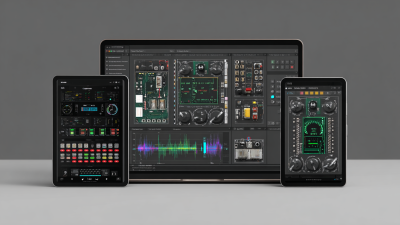
Circuit design software is essential in today’s engineering landscape. It enables professionals to create and analyze electronic circuits with high precision. These tools streamline the design process and improve efficiency. Engineers can visualize their ideas through simulations before real-world implementation.
Using circuit design software, you can leverage various features. These include schematic capture, simulation, and layout design. A user-friendly interface is crucial for beginners and experts alike. However, the learning curve can be steep for newcomers.
Not all software is perfect; limitations exist. Some programs may lack specific functionalities or have compatibility issues. It’s vital to choose the right tools based on project needs. Therefore, continuous evaluation and practice are necessary to maximize the benefits of circuit design software.
What is Circuit Design Software? An Overview of its Purpose and Uses
Circuit design software serves as a crucial tool for engineers and designers in the electronics field. It enables the creation, simulation, and modification of electronic circuits. By utilizing such software, users can visualize circuit behavior without physical components. This reduces prototyping costs and accelerates the design process. According to a report by MarketsandMarkets, the global circuit simulation software market is expected to reach over $4.5 billion by 2025, highlighting its growing importance.
The primary purpose of circuit design software is to facilitate the creation of complex electronic systems. It supports various design methodologies, such as schematic capture and PCB layout. Designers can employ various analysis tools to test circuit performance before production. A survey by Research and Markets indicated that approximately 45% of companies experience design errors due to inadequate testing in the early stages. This emphasizes the need for robust simulation features in design software, revealing areas where improvement is necessary.
Despite its advantages, circuit design software can be overwhelming. Many users report steep learning curves and may struggle with advanced features. The technology evolves rapidly, making it challenging to stay updated. As noted in a recent IEEE article, ongoing education and practice are essential for maximizing software potential. Users often reflect on how routine usage could lead to better understanding and efficiency in their designs.
The Circuit Design Process: From Concept to Prototype
The circuit design process is a critical stage in electronics. It transforms ideas into tangible prototypes. This journey often includes multiple iterations. Designers sketch initial concepts with software tools. These tools enable simulations and testing. Reports indicate that nearly 70% of circuit design projects require revisions. This highlights the need for flexibility and adaptability.
Prototyping follows initial designs. Physical models allow designers to assess functionality. A study found that 55% of prototypes fail initial tests. This reality shows that concept validation is essential. Designers must identify and address flaws early in development. This stage often unveils unexpected challenges. Issues could arise from design errors or material selection.
Ultimately, the circuit design process is iterative. Each cycle improves the final product. Adaptations based on previous failures enhance the design. Learning from these setbacks leads to innovation. The journey from concept to prototype is not just technical; it is also about creative problem-solving. The experience teaches resilience and the importance of thorough testing.
Industry Applications of Circuit Design Software in Electronics Engineering
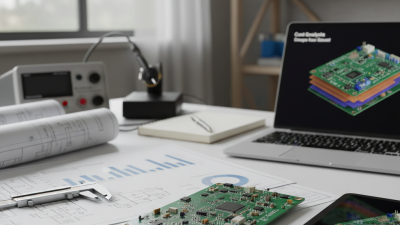
Circuit design software plays a crucial role in electronics engineering. It simplifies various tasks such as schematic capture, simulation, and circuit layout. With this type of software, engineers can visualize complex circuits before building them. This visual representation helps identify errors early in the design process, ultimately saving time and resources.
In today's electronics industry, applications of circuit design software are diverse. Engineers use it for designing everything from consumer electronics to intricate control systems. It improves collaboration among teams as they can share files and ideas digitally. There are specific tools tailored for different sectors, like automotive or telecommunications. However, some users find the learning curve steep, which may hinder productivity in the short term. It's essential to provide thorough training for all team members to enhance efficiency.
Despite the advantages, flaws exist. Users sometimes overlook errors due to software limitations. Circuit simulations can mislead if assumptions are incorrect. Engineers must carefully validate their designs with real-world testing. Reflecting on the use of the software enhances the design process. It encourages engineers to develop a more robust approach to circuit design challenges.
Future Trends in Circuit Design Software: AI and Automation Integration
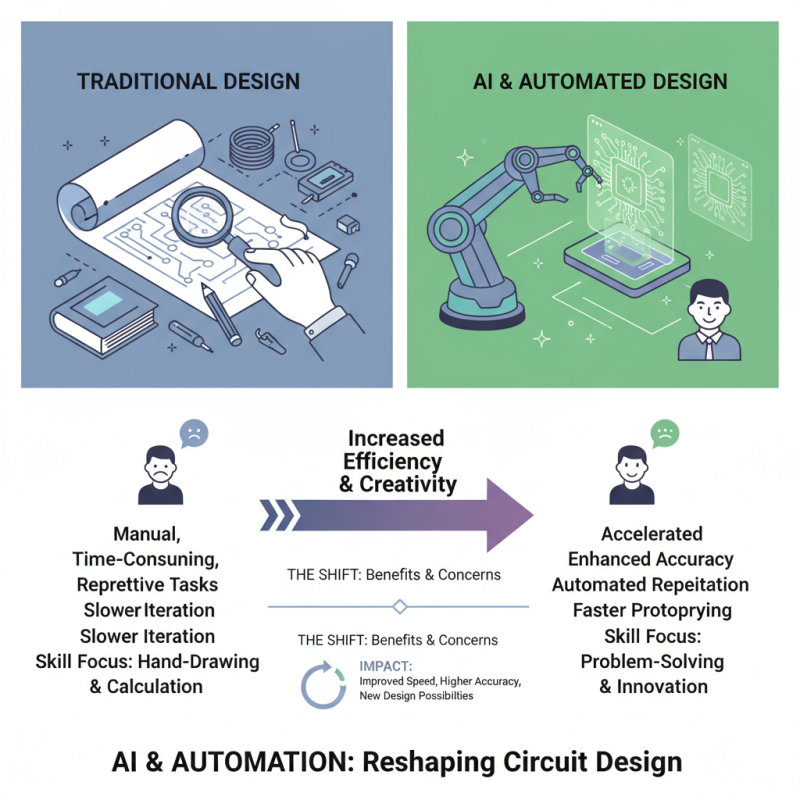
The integration of AI and automation into circuit design software is rapidly changing the landscape. These technologies can improve accuracy and speed. Designers can automate repetitive tasks, freeing time for creative work. However, not all designers embrace these changes. Some worry about losing traditional skills.
AI algorithms analyze vast data sets to optimize designs. They can simulate performance before physical prototypes are made. This reduces costs and speeds up development. Yet, reliance on AI raises concerns. If errors occur, they might go unnoticed. Designers must remain vigilant and validate AI-generated designs.
Automation tools can also streamline collaboration. Team members in different locations can work together seamlessly. This improves efficiency but may lead to miscommunication. Embracing these technologies requires new processes and mindsets. Designers must reflect on how to balance innovation with their craft. As these trends unfold, the design community faces both exciting opportunities and challenging questions.