What is Circuit Board Design and Why is it Important?
Circuit board design is a critical aspect of modern electronics. Every electronic device relies on it. Understanding its fundamentals can enhance innovation and efficiency. At its core, circuit board design involves creating a blueprint for electronic components. This blueprint dictates how devices communicate and function.
The importance of circuit board design cannot be overstated. Flawed designs can lead to failures, affecting user experience. Furthermore, a well-designed circuit board optimizes space, reduces costs, and improves performance. With products becoming more compact, precision in design is crucial. Mistakes here can result in significant setbacks.
However, circuit board design is not without challenges. Designers often grapple with balancing complexity and functionality. Each choice can have major implications for performance. Reflecting on past designs can provide insights into future improvements. Embracing these challenges is vital for progress in technology.
What is Circuit Board Design?
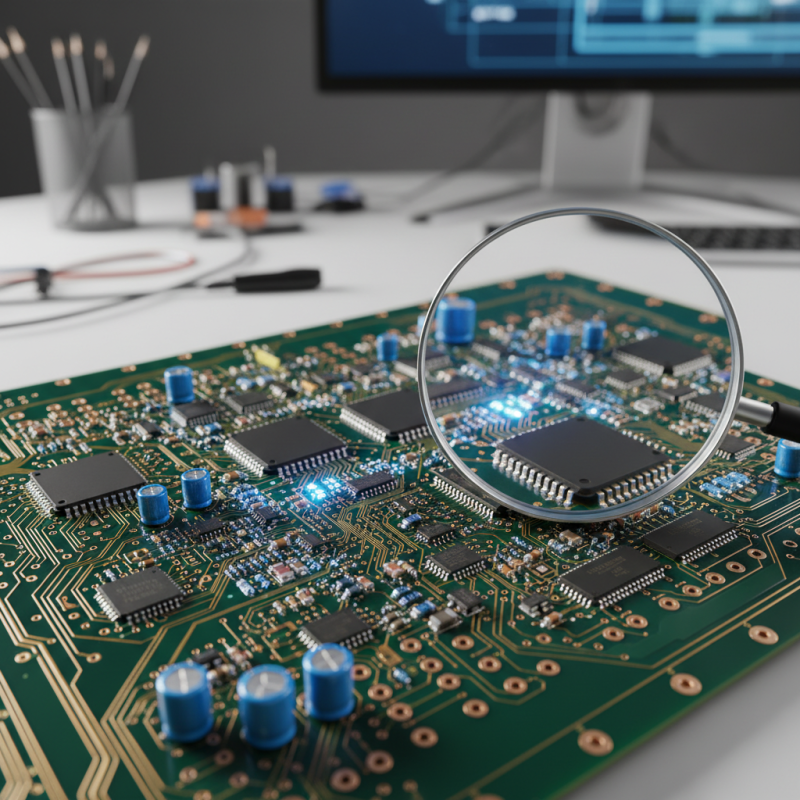
Circuit board design is a fundamental aspect of electronics. It involves creating a layout for electronic circuits on a board. This design is crucial for ensuring that all components interact correctly. It dictates the paths for electrical signals and power distribution. A well-designed circuit board can enhance performance and efficiency.
The process of circuit board design includes several steps. Engineers start with schematic diagrams. These diagrams represent the functions of the circuit. Once the schematic is approved, designers move on to the physical layout. They must consider component placement carefully. Poor placement can lead to issues like signal interference and heat buildup. Designers often face the challenge of optimizing space without compromising functionality.
Another critical aspect is the choice of materials. Different materials can affect the board’s durability and conductivity. Improper material selection might lead to failure under stress. Design mistakes can be costly, both in time and resources. It's essential to iterate and refine the design to avoid these pitfalls. Each round of feedback is an opportunity to improve the design.
Key Components of Circuit Board Design
Circuit board design is a crucial aspect of electronics. It involves creating layouts for electronic components. These components are vital for the proper functioning of devices. Designers must ensure that connections are correct. Each component plays a unique role in circuits. Understanding these components is essential.
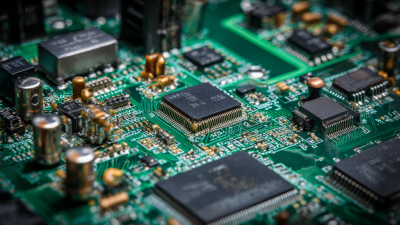
Key components of circuit board design include resistors, capacitors, and integrated circuits. Resistors limit the flow of electrical current. Capacitors store and release energy. Integrated circuits combine various functions into one chip. Designers must pay attention to the placement of these components. Poor placement can lead to issues like overheating or signal loss.
Tips: When designing, consider the size of each component. This affects the overall board design. Also, think about future upgrades. It’s wise to leave extra space for new components. Lastly, always test designs before final production. Testing can reveal mistakes or areas for improvement. Even seasoned designers can overlook small details.
Circuit Board Design Key Components
The Design Process: Steps Involved in Circuit Board Creation
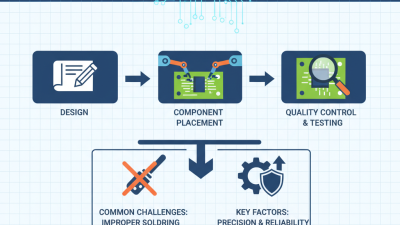
Circuit board design is a meticulous process that involves several key steps. From concept to production, each phase requires careful consideration. Initially, engineers draft a schematic diagram that outlines how components will connect. This foundational step is crucial, as 70% of design issues arise from flawed schematics. Once the schematic is finalized, the next step is creating the layout. This involves arranging components on the board while maintaining signal integrity and managing electromagnetic interference. According to industry reports, optimized layouts can improve performance by up to 30%.
One tip for designers is to prioritize component placement. Strategic positioning can minimize trace lengths, reducing latency and interference. Additionally, simulation software plays a vital role at this stage. Testing the design in a simulated environment helps identify potential flaws before physical production. However, relying solely on simulations can be misleading. Real-world testing often reveals overlooked issues that simulations do not capture.
After layout, design rules are checked. This step ensures that the design meets all manufacturing specifications. In this phase, designers can reflect on previous projects. Learning from past mistakes can significantly enhance the quality of future designs. Advanced design tools help streamline this process, but they are not foolproof. Vigilance is essential, as small oversight can lead to costly fixes later on.
Importance of Circuit Board Design in Modern Technology
In modern technology, circuit board design is vital. It serves as the backbone of electronic devices. A well-designed circuit board can enhance device performance, reliability, and manufacturability. According to a recent industry report, the global PCB market is expected to reach over $80 billion by 2025. This growth underscores the essential role of circuit boards in everyday technology.
Tips: Always prioritize component layout. Poor arrangements can lead to signal interference. Consider thermal management in your design. Effective heat dissipation is crucial for device longevity.
The importance of circuit board design goes beyond functionality. It impacts production costs and time. A complex design can increase manufacturing challenges. Many designers overlook the manufacturing process during design, leading to costly errors. An estimated 20% of PCB prototypes fail, often due to avoidable design issues. Emphasizing simplicity can yield better results.
Challenges and Future Trends in Circuit Board Design
Circuit board design faces many challenges today.
As electronics become more complex, the demand for advanced circuitry increases.
According to a recent industry report, the global PCB market is projected to reach
$84 billion by 2028.
This rapid growth pushes designers to innovate continuously.
They must address size constraints
and ensure signal integrity in increasingly miniaturized devices.
Balancing performance with production costs is also a significant hurdle.
Future trends indicate a shift toward sustainable materials
and eco-friendly practices. Designers are now more aware of the environmental impact of their products.
Recyclable and biodegradable materials
are gaining traction. However, many companies still struggle to implement these changes effectively.
The transition often requires significant investment in research and development.
Moreover, talent shortages in the field compound these issues.
A skilled workforce is vital for navigating the complexities of modern circuit board design.
Addressing these challenges is crucial as the industry evolves.