Top Tips for Understanding Circuit Board Assembly Techniques?
Understanding circuit board assembly techniques is crucial for anyone involved in electronics. It plays a vital role in creating efficient and reliable devices. Mastering these techniques can be challenging but rewarding.
In circuit board assembly, attention to detail is essential. Each component must be placed accurately. A small mistake can lead to significant issues. For beginners, the learning curve can seem steep. However, persistence leads to improvement over time.
Practicing assembly techniques helps build confidence. Exploring different methods encourages creativity. It's important to reflect on your process. Consider areas for growth and refine your skills. Embrace the learning experience to enhance your proficiency in circuit board assembly.
Essential Components of Circuit Board Assembly Techniques
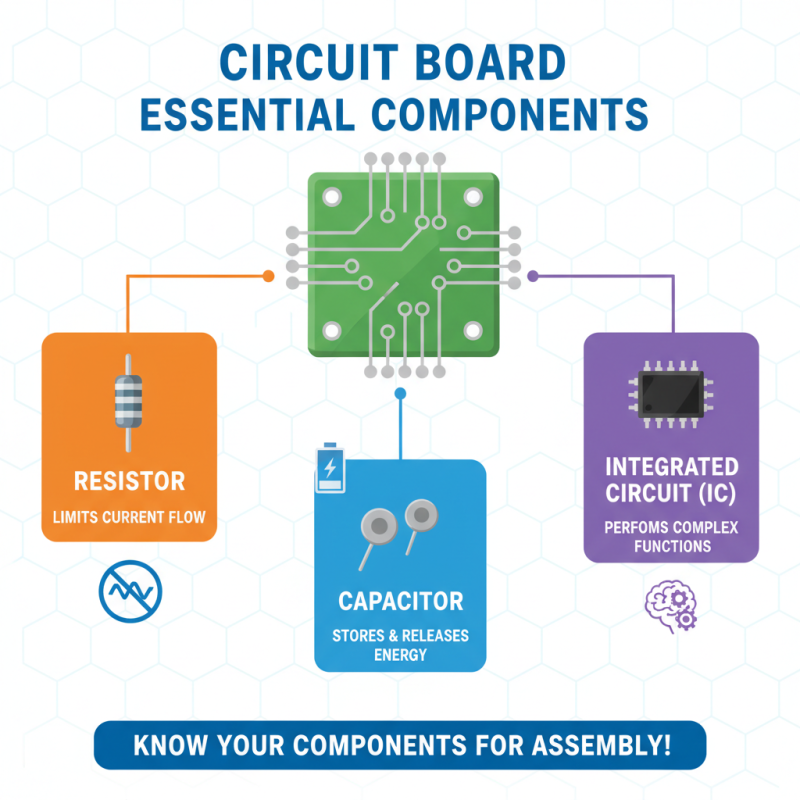
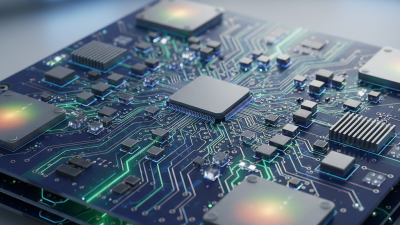
When considering circuit board assembly, knowing the essential components is crucial. A circuit board typically includes resistors, capacitors, and integrated circuits. Resistors limit the flow of electric current. Capacitors store and release energy. Integrated circuits perform complex functions in a compact form. Understanding each component's role helps in assembly.
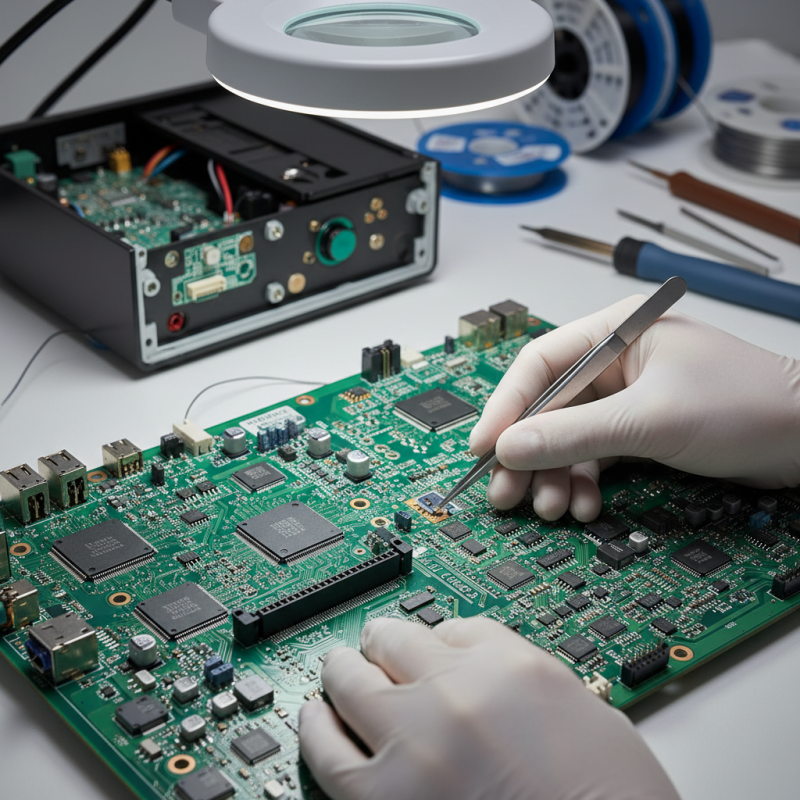
Soldering is a fundamental technique in circuit board assembly. It connects components to the board. Poor soldering can lead to circuit failures. This process requires skill and practice. Mistakes can occur, such as cold joints or excess solder. Recognizing these issues early can save time.
Choosing the right materials matters too. The board's substrate is often fiberglass or plastic. Each material has unique characteristics. Some are more heat-resistant, while others are lighter. Testing different combinations may lead to better results. It's important to experiment and learn from failures to improve future designs.
Understanding Soldering Processes in Circuit Board Manufacturing
Soldering is a critical process in circuit board manufacturing. It involves joining electronic components to the board using a filler material. This material usually has a low melting point. The techniques vary, and each has its own set of challenges.
One common technique is through-hole soldering. This method requires inserting component leads through the board. You heat the joint to melt the solder, securing the connections. However, managing the heat is tricky. Too much can damage the board or components. Proper training is vital to avoid mistakes.
Surface mount soldering is another approach. It allows components to sit on top of the board. This method can save space and improve performance. Yet, precision is crucial. If components misalign, it can lead to circuit failures. Practicing these techniques can help to minimize errors, but imperfections will always exist. It's essential to reflect on each soldering session to improve skills over time.
Understanding Soldering Processes in Circuit Board Manufacturing
Importance of Surface Mount Technology (SMT) in Modern Assemblies
Surface Mount Technology (SMT) plays a crucial role in modern circuit board assembly.
It allows for high-density component placement, leading to smaller, more efficient devices. In today's fast-paced electronics market, SMT is not just an option; it is a necessity. Many manufacturers have shifted to SMT due to its many advantages.
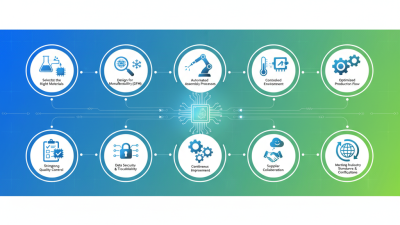
When working with SMT, consider these tips. First, ensure proper PCB design. A well-designed PCB optimizes the placement of components. Secondly, quality control is essential. Always inspect solder joints and component alignment. A minor flaw can lead to significant device failure. Regular training for staff is also necessary. They must understand the nuances of SMT assembly.
Understanding the limitations of SMT is also important. Not every component suits surface mount processes. Some larger components may not fit or perform well. In such cases, consider mixed assembly techniques. A blend of SMT and through-hole technology might yield the best results. Keep refining your methods to enhance assembly quality.
Quality Control Measures in Circuit Board Assembly Process
Quality control is essential in circuit board assembly. It ensures that each board functions properly. Defects can lead to failures in electronic devices. Routine inspections help identify issues early in the process.
One common issue is solder quality. Poor solder joints can result in intermittent connections. Visual inspections can miss these problems. Automated optical inspection systems can help. They analyze each joint to ensure reliability.
Another critical aspect is component placement. Components must be precisely positioned. Incorrect placements can lead to malfunction. Regular calibration of placement machines is necessary. Awareness of potential errors fosters improvement in techniques.
Latest Trends and Innovations in Circuit Board Fabrication Techniques
Innovations in circuit board fabrication techniques are evolving rapidly. Industry reports indicate that the global market for printed circuit boards (PCBs) is expected to reach $70 billion by 2027, growing at a CAGR of 5.5%. This growth stems from advancements in materials and manufacturing processes.
One significant trend is the adoption of flexible PCBs. These offer lightweight and compact designs for modern electronics. They can be bent and shaped, which allows for innovative applications in wearable tech. However, challenges remain. Flexible PCBs can be more expensive and harder to produce. Manufacturers must carefully consider cost versus functionality.
Another noteworthy innovation is the move towards automated assembly processes. Automation can increase production efficiency. It reduces human error, which has been a common issue in the industry. However, reliance on machines may lead to a skills gap in the workforce. As companies invest in technology, training for employees must not be overlooked. Balancing automation with human skill sets is crucial for the future of PCB manufacturing.
Top Tips for Understanding Circuit Board Assembly Techniques
| Aspect |
Details |
| Soldering Techniques |
Surface mount soldering and through-hole soldering are predominant methods. Use of lead-free solder is trending. |
| Materials Used |
High-frequency laminates and organic substrates are becoming more common due to increased electronic performance needs. |
| Automation in Assembly |
Automation through robotic arms and AI-driven machines improves precision and efficiency in assembly processes. |
| Testing & Inspection |
X-ray inspection and Automated Optical Inspection (AOI) are key for ensuring solder joint quality and defect detection. |
| Trends in Miniaturization |
The trend towards smaller and lighter devices drives innovations in PCB design and assembly, focusing on reducing footprint. |
| Environmental Considerations |
Adoption of eco-friendly materials and sustainable manufacturing practices to reduce environmental impact. |
| Emerging Technologies |
3D printing and additive manufacturing are gaining traction for prototyping and small batch productions. |