How to Choose the Right UV Flatbed Printer for Your Business?
Choosing the right UV Flatbed Printer for your business can be challenging. There are many factors to consider. Your choices will affect production quality and overall costs. A UV Flatbed Printer can open new opportunities for creative projects and diverse applications.
Think about your business needs. What materials will you print on? UV Flatbed Printers can handle a variety of surfaces. This includes wood, metal, glass, and more. Understanding your workflow is equally important. Each printer has different capabilities that can impact your efficiency.
Additionally, consider the printer’s ease of use and maintenance requirements. Technical challenges may arise. A reliable support system from the manufacturer can make a difference. Contact their customer service for insight into their support. Remember, investing in a UV Flatbed Printer is a significant decision. Reflect on how each feature aligns with your goals. Do your research and choose wisely.
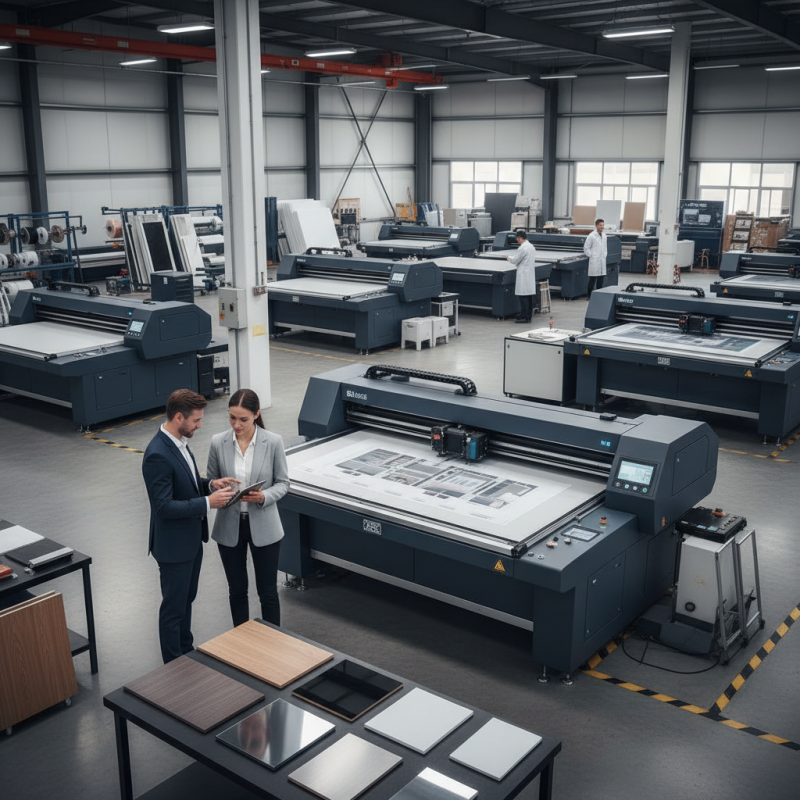
Understanding the Different Types of UV Flatbed Printers Available
When selecting a UV flatbed printer, it's essential to understand the types available. These printers vary in their capabilities and intended uses. There are entry-level models, which are ideal for small businesses. They offer basic features but can limit growth. Higher-end options come with advanced capabilities, suitable for large-scale production. These can handle a variety of materials and provide exceptional quality.
Consider the size of the printer. A larger printer can accommodate larger substrates, which expands your market opportunities. However, it also requires more space. Think about your business needs. A smaller printer may suffice for your current projects, but anticipate future growth. Evaluate how each type aligns with your goals.
**Tips:** Ensure you understand the technology behind the printer. Research the UV curing process. This knowledge will help you make informed decisions. Always check the support offered by manufacturers. Reliable customer service can save you time and money down the road. Don’t overlook the print speed; it can impact productivity significantly. Be realistic about your budget and operational needs.
Choosing the Right UV Flatbed Printer for Your Business
Key Features to Consider When Selecting a UV Flatbed Printer
When selecting a UV flatbed printer, a few key features stand out. Print quality is essential. Printers with higher resolution capabilities yield sharper images. A recent industry report reveals that over 70% of businesses prioritize image quality when making purchasing decisions. This focus on clarity ensures your products can compete effectively in the market.
Another critical consideration is versatility. Many successful businesses utilize UV flatbed printers for different materials, such as glass, wood, and metal. The ability to print on various substrates expands creative options. Data indicates that companies offering multiple printing options see a 30% increase in customer engagement. If your business caters to diverse client needs, this feature is crucial.
Additionally, consider the printer's speed and production efficiency. As the demand for quick turnaround times grows, your equipment must keep pace. Reports suggest that businesses benefit from printers capable of higher output, ensuring they can meet client deadlines. Reflecting on your business processes might reveal areas for improvement, especially regarding production capabilities. Evaluate whether a more efficient UV flatbed printer aligns with your future goals.
Evaluating Print Quality and Speed for Your Business Needs
When choosing a UV flatbed printer, evaluating print quality and speed is crucial. Print quality directly affects how your products are perceived. High resolution and color accuracy can make your items stand out. Customers notice fine details and vibrant colors, so investing in a printer with superior capabilities pays off. Look for printers that offer variable drop sizes. This feature enhances the overall quality and depth of your prints.
Speed is another essential factor. A printer that can produce high-quality images quickly allows for larger production volumes. This capability is key to meeting tight deadlines. However, faster printing doesn’t always mean better quality. Balancing speed and print quality can be challenging. Test the printer with your specific materials to ensure you achieve the desired results.
Consider how different materials will react to UV print technology. Some substrates may handle ink differently. This variability can affect both speed and quality. Reflecting on past projects may provide insights into what worked well and what didn't. Take time to evaluate your specific needs before making a decision. Sometimes, prioritizing quality over speed can lead to better long-term customer satisfaction.
Assessing Cost and Budget Considerations for UV Flatbed Printers
When evaluating UV flatbed printers for your business, cost and budget are crucial. The price range for these printers varies widely, generally starting around $30,000 and exceeding $300,000 for high-end models. This incredible range reflects different features and capabilities. A study by Smithers Pira revealed that the global market for UV printing increased by 6% in 2021, indicating a growing demand for this technology. Understanding your budget will help in narrowing down your options.
Operational costs must also be factored into the budget. Ink is a significant recurring expense, with some estimates suggesting that ink costs can account for up to 30% of production costs. Additionally, consider maintenance expenses, which can add up quickly. A breakdown from the International Digital Enterprise Alliance shows that effective printer maintenance can save up to 20% in operational costs over time. You may need to allocate funds for training staff, as well. Not all team members may have experience with UV technology, leading to potential productivity lags.
As you assess your budget, be realistic about your needs and capabilities. Cost-cutting decisions, such as opting for lower-priced models, can lead to compromises in quality. Ensure that your choice aligns with your long-term business goals. Investing in the right technology can yield significant returns, but careful analysis of costs is essential. Reflect on how these decisions impact your overall strategy.
Determining Compatibility with Materials and Applications for Printing
When choosing a UV flatbed printer, compatibility with materials is crucial. Different printers can handle various substrates like wood, glass, and metal. Identify the materials you plan to print on. Each needs specific printer capabilities. For instance, thicker materials may require a printer with more powerful print heads. Understanding these requirements helps prevent potential printing issues.
Applications also dictate printer choice. Custom signage often needs high-resolution output, while packaging might focus on durability. Consider your typical projects. Do they require vibrant colors or fine details? A printer that delivers on these aspects greatly influences the final product quality. Sometimes, you may realize that your initial choice doesn't meet all your needs. It's okay to revisit your options.
Research on industry trends is essential. New materials are always emerging. Some may not be compatible with older printer models. Staying updated could save you from costly errors or delays. With the right printer, your business can truly thrive in a competitive market.