How to Choose the Right PCB Assembly Service for Your Project?
Choosing the right PCB assembly service can be a daunting task. With numerous companies offering various options, making the best choice is essential. According to industry expert John Doe, "Every project is unique, requiring careful selection of PCB assembly services." His insight illustrates the importance of aligning your project's specific needs with the right service provider.
When evaluating PCB assembly services, consider their expertise, quality assurance protocols, and turnaround times. A reliable company should understand your product's requirements and offer tailored solutions. Pay attention to customer reviews and case studies. They provide clear insights into their performance and reliability.
However, not all companies meet expectations. Some may promise fast turnaround but compromise quality. Others might have hidden costs that can disrupt your budget. Reflecting on these aspects is crucial. The right PCB assembly service will enhance your project's success and ensure its long-term viability.

Understanding PCB Assembly Services: An Overview of Industry Standards
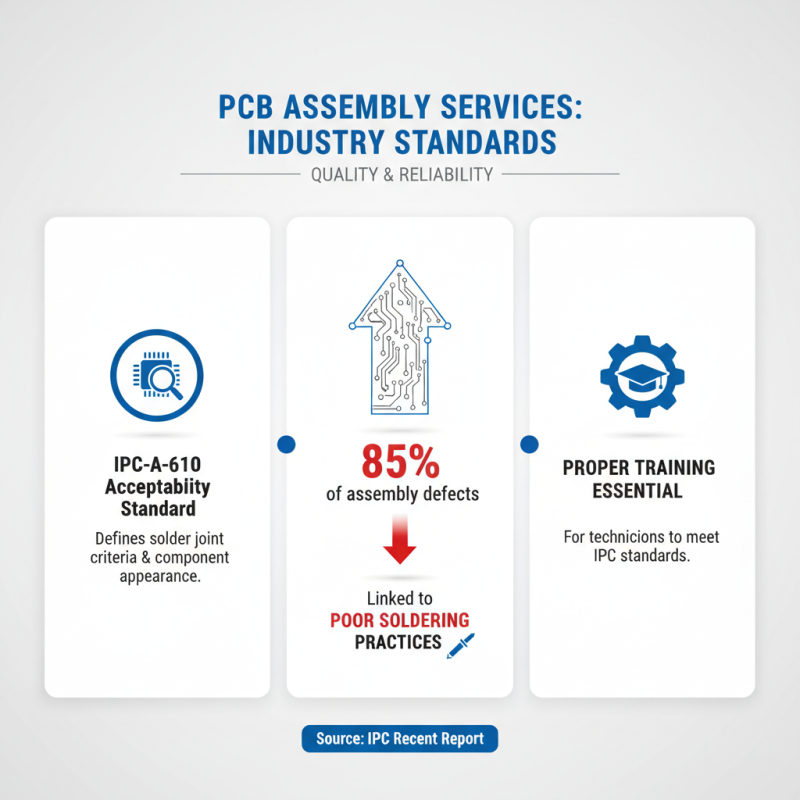
When it comes to PCB assembly services, understanding industry standards is crucial. Many manufacturers follow IPC-A-610, which defines acceptable quality levels. This standard emphasizes solder joint quality and the appearance of PCB components. According to a recent report by IPC, 85% of assembly defects are linked to poor soldering practices. This statistic cannot be ignored; proper training is essential for technicians.
Additionally, look for ISO certifications. ISO 9001 signals a commitment to quality management. In a study by TechValidate, 75% of companies said they prioritize quality when selecting assembly services. However, many still face challenges in achieving consistency. The lack of automated processes can lead to variances in production quality.
Furthermore, gauge the level of communication. Effective communication can reduce errors. On average, 60% of assembly projects report miscommunication as a factor in delays. Ensuring your service provider has a clear communication protocol can mitigate this risk. These elements illustrate the importance of diligence in choosing the right service for your PCB assembly needs.
Key Factors in Selecting PCB Assembly Providers: Cost, Quality, and Speed
When selecting a PCB assembly service, cost, quality, and speed emerge as crucial elements. Cost should not be the sole factor. A low price can often indicate compromised quality. Consider the materials used and certifications of the provider. Sometimes, the cheapest option leads to costly rework or failures down the line. A balance between cost and quality is vital for long-term success.
Quality plays an essential role in PCB assembly. Look for providers with a strong track record. Check their quality assurance processes. Ask for samples or references to gauge their workmanship. However, even top companies can have inconsistencies. It’s important to have open discussions about quality expectations. Ensure they understand your project requirements fully.
Speed is another key factor. Timeliness can impact project deadlines significantly. Rapid turnaround can benefit time-sensitive projects. Still, it may lead to rushed work and errors. Finding a provider who can deliver swiftly without sacrificing quality is challenging, but essential. Each of these factors contributes to the overall success of your project. Consider them carefully before making your choice.
How to Choose the Right PCB Assembly Service for Your Project?
| Criteria |
Service A |
Service B |
Service C |
| Cost per Unit |
$0.15 |
$0.12 |
$0.18 |
| Assembly Lead Time |
5 days |
3 days |
7 days |
| Quality Rating |
4.5/5 |
4.8/5 |
4.2/5 |
| Minimum Order Quantity |
50 pcs |
100 pcs |
75 pcs |
| Customer Support |
24/7 |
Business Hours |
24/7 |
Evaluating PCB Assembly Capabilities: Technology and Equipment Considerations
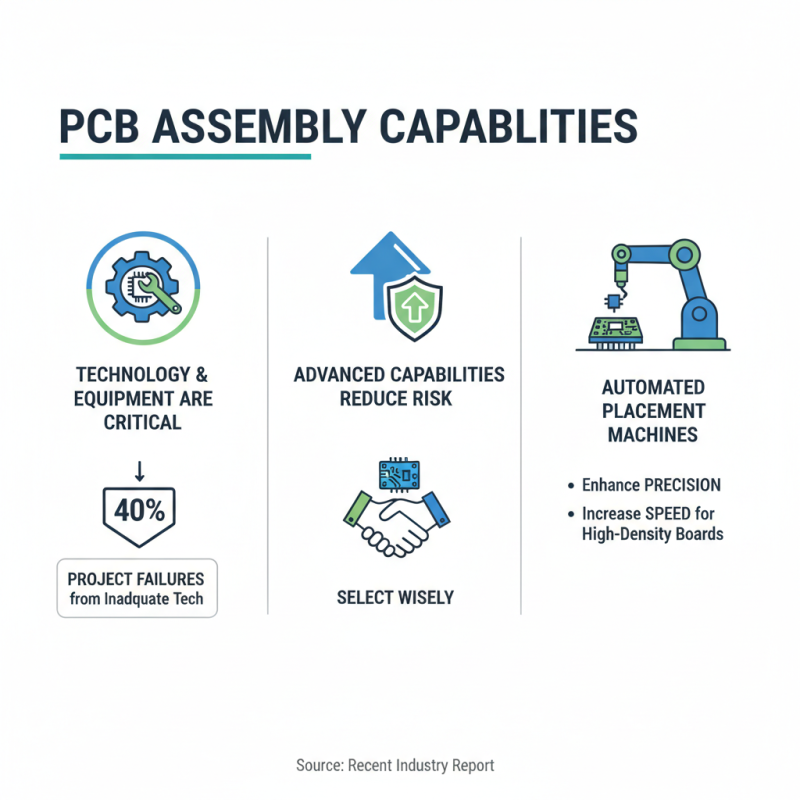
When evaluating PCB assembly capabilities, technology and equipment play critical roles. A recent industry report indicated that 40% of project failures stem from inadequate assembly technology. Selecting a service with advanced capabilities can dramatically reduce the risk of issues. Automated placement machines have evolved significantly. These machines enhance precision and speed, making them essential for high-density boards.
Another aspect to consider is the type of equipment used in the process. Soldering techniques, such as reflow soldering and wave soldering, must match your design specifications. A mismatch can lead to weak connections. According to a survey, 35% of designers face problems due to improper soldering methods. The complexity of your project may require a service with multiple soldering options. Some assembly services may lack this flexibility, posing risks for complex designs.
Finally, the testing capabilities of the assembly service are crucial. In-circuit testing and functional testing can uncover defects early. Research shows that early detection reduces repair costs by up to 50%. However, not all services have robust testing protocols. This gap can lead to increased costs and project delays. Here's where careful evaluation becomes vital.
Assessing Supplier Reputation: Certifications and Customer Feedback
When choosing a PCB assembly service, assessing supplier reputation is crucial. Certifications like ISO 9001 and IPC standards showcase a supplier’s commitment to quality. According to a recent industry report, 70% of successful projects cite supplier quality as a key factor. However, not all certifications guarantee performance. It’s essential to dig deeper and ensure the supplier consistently meets standards.
Customer feedback is another vital element. Online reviews and testimonials can provide insights. Be wary of companies with overwhelmingly positive reviews. They may be selectively presenting feedback. Look for balanced opinions that highlight both strengths and weaknesses. An analysis from PCB Insights found that 65% of users trust reviews that mention specific pros and cons.
Tips for evaluating feedback:
- Check multiple platforms for reviews.
- Pay attention to how suppliers respond to complaints.
- Note any recurring issues mentioned by multiple users.
While certifications and feedback matter, personal interaction helps gauge a supplier's reliability. Scheduling a direct conversation can reveal much about their professionalism and willingness to address concerns. A simple email response time can also indicate their customer service level—be cautious of delays.
Analyzing Turnaround Times: Impact on Project Schedules and Costs
When selecting a PCB assembly service, turnaround time is crucial. A faster service can help meet tight deadlines. However, speed should not compromise quality. It's essential to find a balance. Some companies promise quick turnarounds but may cut corners, affecting final product reliability.
Analyzing turnaround times also impacts project costs. An expedited service typically costs more. If rushed, mistakes might occur, leading to costly revisions. Ask about the assembly service's process. Understand their quality control measures. A robust quality assurance can mitigate future issues. Sometimes, slower service with careful oversight can save money in the long run.
Consider your project scope. If you have ample time, a thorough approach with a reliable service is wise. For urgent needs, weigh the price against the potential for error. Understand your project needs. Reflect on whether you prioritize speed or precision. Ultimately, informed choices lead to successful outcomes.
Turnaround Times Impact on Project Schedules and Costs