How to Choose the Best Welding Protection Gear for Safety
Welding is a crucial trade, but it comes with significant risks. Proper Welding Protection gear is essential for safety. According to the American Welding Society, over 50% of welding-related injuries are due to inadequate protective equipment. This alarming statistic highlights the importance of choosing the right gear.
Welding protection involves more than just a helmet and gloves. It requires a comprehensive approach to safeguard against burns, toxic fumes, and radiation. Dr. Emily Sanchez, a recognized authority in welding safety, states, "Investing in quality welding protection gear is non-negotiable." Her insight emphasizes that the right equipment can significantly reduce workplace injuries.
When selecting welding protection, consider factors like material, comfort, and coverage. Not all gear is created equal. An ill-fitting helmet or gloves can compromise safety. Reflecting on gear choices often reveals a tendency to prioritize cost over quality. This trade-off can have serious consequences. Every welder must be vigilant and prioritize safety through informed decisions about their welding protection.
Understanding the Importance of Welding Protection Gear in Safety Standards
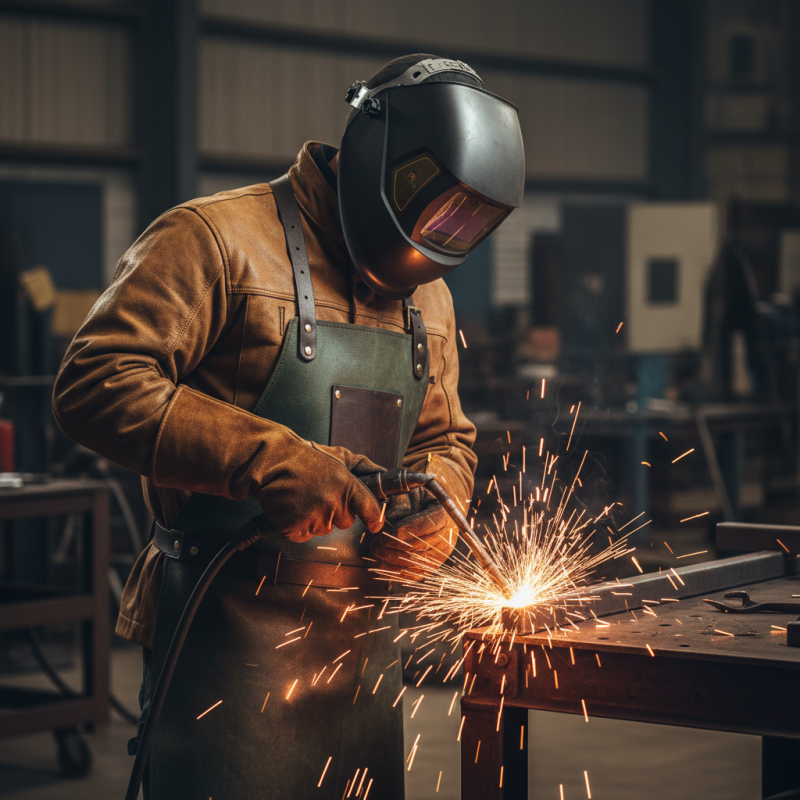
Welding protection gear is crucial for ensuring safety in any welding environment. Welding produces intense heat and harmful sparks. This makes wearing appropriate gear non-negotiable. The right gear minimizes the risk of burns, eye damage, and respiratory issues. Every welder should prioritize their protection.
A helmet with proper shading is essential. It shields the eyes from bright arcs. Gloves need to be heat-resistant and durable. They must allow for precise control while handling materials. Fabrics used in protective clothing should be flame-resistant. The materials should fit well but not restrict movement. Ill-fitting gear can lead to accidents.
Choosing the right welding gear can be overwhelming. Not all gear is suitable for every situation. This can lead to mistakes. Some welders may underestimate the risks involved. It's easy to overlook the importance of quality protection. Regularly re-evaluating one’s gear is necessary. Staying updated on safety standards is vital. Ignoring this may result in serious injuries.
Key Types of Welding Protection Gear and Their Specific Functions
When it comes to welding protection gear, choosing the right pieces is crucial. The most common types include helmets, gloves, and protective clothing. Each serves a unique purpose. A good helmet protects the face and eyes from harmful UV rays and sparks. Data shows that 50% of welding injuries involve eye damage. This highlights the need for quality protection.
Welding gloves are another vital component. They prevent burns and ensure a firm grip on tools. Many gloves are designed with heat-resistant materials, providing effective protection. Reports suggest that up to 30% of injuries occur due to inadequate hand protection. The right gloves are essential for maintaining safety and performance.
Protective clothing, such as aprons and full suits, shields the skin from heat and spatter. They are often made from flame-resistant materials. Statistics reveal that clothing-related injuries can be severe. An important point to consider is the fit of these garments. Loose clothing can become a hazard. Ensuring a snug fit without sacrificing comfort should be a priority.
Evaluating Materials: Heat Resistance and Durability in Welding Gear
When selecting welding protection gear, material evaluation is crucial. Heat resistance is one key factor. It shields you from extreme temperatures and sparks. Many materials can withstand high heat, but their effectiveness varies. For instance, leather offers good heat resistance, yet it may wear out faster than synthetic options. Understanding the trade-offs is essential.
Durability also plays a vital role. Gear should last through repeated use. Some fabrics resist abrasions better but may not be heat-proof. Others are heat-resistant but could tear more easily. It’s a balance. Choosing the wrong material can lead to accidents. Consider the environmental conditions you'll face. Will you be working in confined spaces or open areas? Wear and tear can happen quickly in harsh environments.
Ultimately, reflect on your specific needs. The best gear is not just about heat resistance; it’s about how it performs over time. Test different types if possible. What feels right today may not work tomorrow. Keep learning about advancements in materials. The world of welding is always evolving. Your safety should always come first.
How to Choose the Best Welding Protection Gear for Safety - Evaluating Materials: Heat Resistance and Durability in Welding Gear
| Protection Gear Type | Material | Heat Resistance (°C) | Durability Rating (1-10) | Weight (lbs) |
| Welding Helmet | Polycarbonate | 350 | 8 | 2 |
| Welding Gloves | Leather | 400 | 9 | 1 |
| Welding Jacket | Cotton with FR Treatment | 300 | 7 | 3 |
| Apron | Leather | 500 | 10 | 2.5 |
| Safety Boots | Steel-Toed Leather | 250 | 8 | 4 |
Regulatory Guidelines for Selecting Appropriate Welding Safety Equipment
When selecting welding safety equipment, understanding regulatory guidelines is crucial. These guidelines help ensure the protection of welders from various hazards. For instance, the Occupational Safety and Health Administration (OSHA) outlines essential standards for personal protective equipment (PPE). Proper eye protection is a must, and welding helmets should meet specified impact and UV protection criteria.
Another important point is the choice of gloves and aprons. They should resist heat and flames. However, not all materials are equal. Some may wear out quickly or not provide adequate protection. It’s vital to regularly inspect gear for wear and ensure items comply with safety certifications. Compliance with guidelines can be a daunting task, and many may overlook checking for updates. Some may realize too late that their equipment does not meet current standards.
Clothing is equally significant. Flame-resistant fabrics are recommended, yet many workers opt for convenience over safety. The challenge lies in striking a balance between comfort and protection. Employees must feel empowered to question the safety of their gear. Commitment to safety should be a continuous journey. Reflecting on past choices can help improve future selections.
Best Practices for Maintaining and Inspecting Welding Protection Gear
Maintaining and inspecting welding protection gear is crucial for safety. A report from the American Welding Society indicates that improper gear upkeep contributes to 30% of workplace accidents. Workers often overlook small damages. Even minor defects can lead to significant injuries.
Regular inspections are vital. Look for holes, burns, or wear on gloves and helmets. A simple check can prevent catastrophes. Surprisingly, many welders delay these checks. They might think, "It looks fine." But that assumption can be deadly. Clear documentation of wear and tear is essential.
Cleaning gear is another critical aspect. Many forget to clean their equipment regularly. A study found that dirt can degrade materials, reducing their effectiveness by up to 50%. Keep gear dry and stored properly. This will not only extend its lifespan but also ensure better protection. Failing to take these steps can leave you vulnerable to hazards. Reflection on personal practices can be enlightening. Ask yourself: am I doing enough to protect myself?