How to Choose the Right Photovoltaic Connectors for Your System?
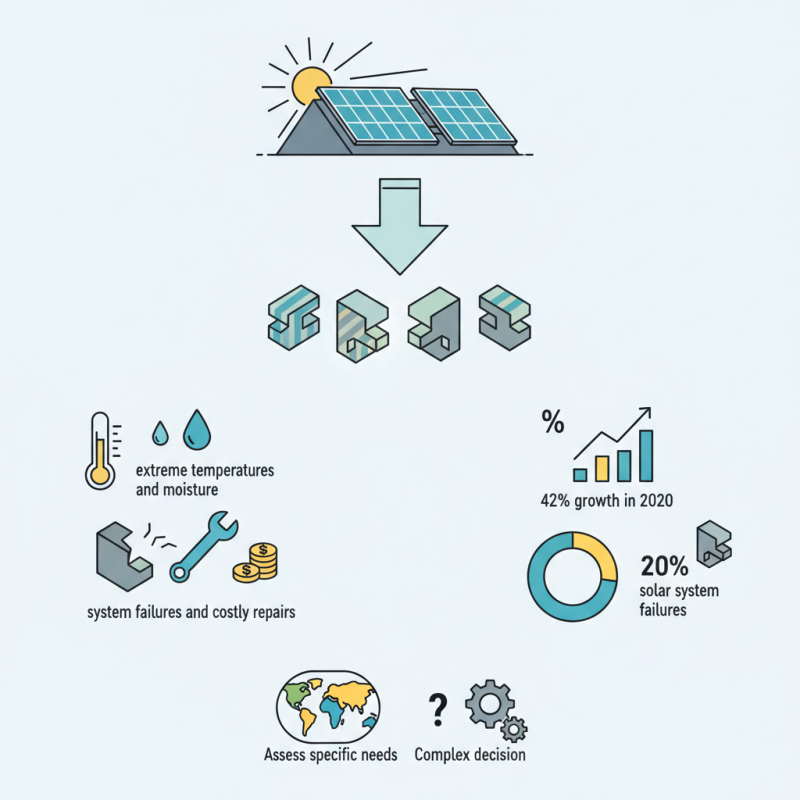
Choosing the right Photovoltaic connectors is crucial for any solar energy system. Proper connectors ensure efficient energy transfer and system longevity. According to the Solar Energy Industries Association (SEIA), the U.S. solar market grew by 42% in 2020 alone. This highlights the increasing demand for reliable components like photovoltaic connectors.
Photovoltaic connectors facilitate the connection between solar panels and inverters. They must withstand various environmental conditions, such as extreme temperatures and moisture. A poorly chosen connector can lead to system failures and costly repairs. In fact, research indicates that connector issues account for up to 20% of solar system failures.
While there are many options available, each brand and type has its pros and cons. A connector that works well in one climate might fail in another. Therefore, it’s vital to assess the specific needs of your installation. This is a complex decision that often requires reflection and adjustment to find the best fit.
Understanding Photovoltaic Connectors and Their Importance
Photovoltaic connectors play a crucial role in solar energy systems. They ensure reliable connections between solar panels and inverters. This affects the overall efficiency of the system. A poor connector choice can lead to energy losses and increased operational risks.
Understanding the different types of connectors is essential. Some may be easier to install but might lack robustness. Others may resist harsh weather but take longer to set up. It's vital to consider the specific environment where your system will operate. For example, desert areas may require more durable connectors.
Furthermore, it's important to reflect on compatibility. Mixing different connector types can create issues. Incompatibility often leads to system failures. Regular maintenance and inspections are necessary to keep everything running smoothly. Yet, many overlook this vital aspect until problems arise.
Comparative Analysis of Photovoltaic Connector Types
Types of Photovoltaic Connectors: A Comprehensive Overview
When it comes to photovoltaic systems, connectors play a crucial role. They ensure efficient energy transfer and system reliability. There are several types of photovoltaic connectors available. Each has distinct features tailored for specific applications.
MC4 connectors are popular for their easy assembly and reliable performance. They lock securely and are weather-resistant. However, improper installation can lead to connectivity issues.
Another type is the TYCO connector. These offer robust electrical performance but require more precise handling. Their complexity might confuse some users.
Other options include multi-contact connectors. They can handle high currents but are generally more expensive. Not all connectors suit all systems. Choosing the wrong one can reduce the system’s efficiency. It’s essential to assess the specific needs of your photovoltaic setup before deciding.
Key Factors to Consider When Selecting Photovoltaic Connectors
Choosing the right photovoltaic connectors is crucial for system performance. Several factors play a significant role in this decision. One key consideration is the connector's rating. Connectors should handle the maximum current and voltage from solar modules. According to an industry report, about 40% of system failures are linked to poor connectors.
Another important factor is environmental resistance. Connectors must withstand extreme temperatures and harsh weather conditions. Materials need to be UV resistant and waterproof. Research indicates that connectors with IP68 ratings offer better longevity. This can prevent costly maintenance and increase efficiency.
Testing is critical, too. Not all connectors perform as expected. Even high-quality options can fail under stress. Regular inspections can help identify potential issues early. The integrity of connections impacts overall energy output significantly. Ensure the connectors match your specific electrical needs to avoid problems down the line.
Compatibility with Solar Panels and Inverters: What to Know
When choosing photovoltaic connectors, compatibility is crucial. Solar panels and inverters should work seamlessly together. A mismatch can lead to inefficiency. The Solar Energy Industries Association states that a poorly connected system can lose up to 10% of its performance. This loss could hinder energy production.
Different systems may require specific connectors. Some connectors are designed for high-voltage applications, while others are not. According to the National Renewable Energy Laboratory, using the right type can increase module efficiency by 5%. However, if connectors are not considered, users might face significant power drops.
Furthermore, environmental factors should be taken into account. UV exposure, moisture, and temperature extremes can wear connectors over time. Regular checks can help identify wear or malfunction. Research suggests that 20% of connector failures are due to environmental damage. This highlights the importance of selecting durable, high-quality options. Making informed decisions is essential for long-term system performance.
How to Choose the Right Photovoltaic Connectors for Your System? - Compatibility with Solar Panels and Inverters: What to Know
| Connector Type | Compatibility with Solar Panels | Compatibility with Inverters | Rated Current (A) | Rated Voltage (V) | Material |
| MC4 | Most poly and mono panels | Compatible with most string inverters | 30 | 1000 | Plastic, Copper |
| Tyco | Compatible with various brands | Fits several inverter models | 20 | 600 | Plastic, Copper |
| Amphenol H4 | Various high-efficiency panels | Commonly used with microinverters | 50 | 1500 | Plastic, Aluminum |
Best Practices for Installation and Maintenance of Connectors
When installing photovoltaic connectors, attention to detail is essential. Ensure all connectors fit snugly to prevent moisture ingress. Loose connections can lead to performance issues and hazards. Regularly check for any signs of corrosion. Corrosion can diminish efficiency and lifespan.
Tips: Always use the right tools for installation. Improper tools can damage connectors. Keep connectors clean. Dirt can affect connectivity and performance.
Maintenance of connectors is just as crucial. Inspect connections periodically, especially after extreme weather. Look for physical damage or wear. Even a small defect can impact energy generation significantly. Be mindful of cable management. Proper organization can prevent strain on connectors.
Tips: Label connectors for easy identification. This helps in troubleshooting. Have spare connectors on hand. This prepares you for unexpected failures.