Why Choosing the Right PCB Manufacturing and Assembly is Crucial for Success?
In the world of electronics, the significance of choosing the right PCB manufacturing and assembly cannot be overstated. Expert James Parker, a leading voice in the industry, emphasizes, “Quality in PCB manufacturing and assembly directly impacts the performance of your final product.” This statement underscores the foundational role that PCBs play in ensuring functionality and reliability.
When companies overlook the importance of quality in PCB manufacturing and assembly, the results can be devastating. Faulty boards can lead to product failures, affecting both reputation and revenue. Poor choices here may result in increased costs and delayed time to market. Current trends highlight a push for miniaturization and increased complexity in designs. This makes quality control even more critical.
Investing time in selecting a capable PCB manufacturing and assembly partner is essential. Businesses must consider factors like technology capabilities and experience. The right partner helps avoid pitfalls and ensures project success. Reflecting on past mistakes can guide future choices. The impact of these decisions extends far beyond initial costs.
Importance of High-Quality PCB Manufacturing for Reliability and Performance
High-quality PCB manufacturing plays a vital role in the reliability and performance of electronic devices. A well-designed PCB ensures that electrical signals are transmitted with minimal interference. This is crucial for devices that rely on precision and speed.
Faulty PCBs can lead to signal loss, overheating, or even complete device failure. Thus, the stakes are high.
Manufacturing processes can vary widely. Some manufacturers prioritize speed over quality. This often leads to short-term gains but long-term problems. For instance, a rushed production may result in poor soldering, leading to weak connections.
The reliability of a device heavily depends on these tiny details. It's important to select a manufacturer with a proven track record in quality assurance.
Moreover, the materials used in PCB manufacturing can significantly impact performance. Low-quality materials may reduce conductivity, resulting in sluggish response times. Users may overlook this aspect until they face performance issues.
Investing in durable materials from the beginning can save substantial costs and frustrations later. It’s worth reflecting on whether the approach taken in PCB selection truly meets performance expectations.
Key Factors in PCB Assembly Processes Affecting Product Quality
When it comes to PCB assembly, quality is paramount. Factors like design complexity, component selection, and manufacturing processes significantly impact the end product. According to IPC-2221 standards, nearly 30% of electronic failures stem from PCB manufacturing issues. Companies must pay attention to these details to ensure reliability.
One critical aspect is the choice of materials. High-quality substrates and components increase durability and performance. A study published by the Electronics Industry Association found that inferior materials can lead to failures in up to 40% of assembled PCBs. This highlights the need for thorough material evaluation early in the design phase.
Tip: Always opt for materials that meet appropriate industry standards. This can save costs and time down the road.
Another factor is the assembly process. Techniques like surface mount technology (SMT) require precision. An error during this phase can result in significant defects. According to a report by CI Technology, improper soldering can cause over 25% of assembly failures.
Tip: Implement rigorous inspection protocols at each stage of assembly. Regular checks can catch errors early.
Despite these strategies, not all manufacturers maintain the same standards. Some may prioritize cost over quality, leading to subpar products. This is a common pitfall and can be detrimental. Companies should continuously evaluate their manufacturing partners and processes.
Cost Implications of Choosing the Wrong PCB Manufacturer
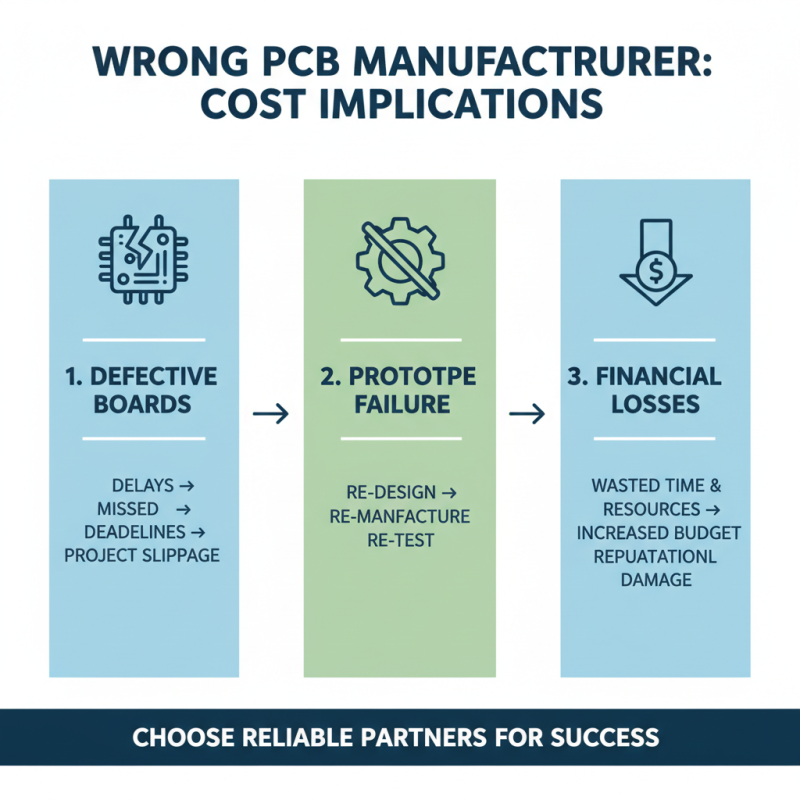
Choosing the wrong PCB manufacturer can lead to significant cost implications. For instance, defective boards can cause delays. These delays often result in missed deadlines, which impact project timelines. If prototypes fail during testing, it can mean starting over. This not only wastes time but also resources.
Quality issues are also a concern. Poorly made PCBs can compromise the functionality of the final product. This could lead to expensive recalls. Companies might face loss of reputation. The costs involved in rectifying such mistakes are often underestimated. It’s not just about production costs but also potential legal liabilities.
Selecting an unqualified manufacturer may save money upfront. However, the hidden costs can quickly add up. Inadequate assembly can lead to additional repairs. Over time, these issues can erode profit margins. Ultimately, careful selection of a PCB partner is essential for financial stability. The decision impacts not only the budget but also the overall success of the project.
Impact of PCB Design on Manufacturing and Assembly Success
The impact of PCB design on manufacturing and assembly success is significant. A well-designed PCB can streamline production. It minimizes errors during assembly. In contrast, poorly designed PCBs can lead to costly delays and defective products. These issues often arise from complex layouts or inadequate spacing between components.
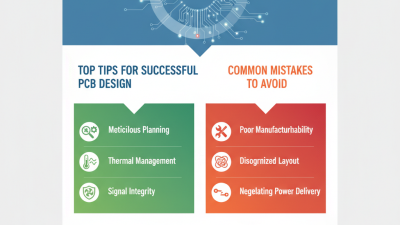
Attention to detail in the design phase can prevent many potential problems. Simple design changes can enhance manufacturability. For instance, using standardized component footprints can simplify assembly. Designers must also consider thermal management and signal integrity. Ignoring these factors can result in failures that escape quality control.
Reflection on past projects reveals much about design choices. Have you revisited those choices? A few minor adjustments could have altered the outcome. Learning from each design helps refine future projects. Ultimately, PCB design is not just about aesthetics; it’s about building a reliable foundation for success.
Impact of PCB Design on Manufacturing and Assembly Success
Long-Term Partnerships with PCB Manufacturers for Business Growth
Building long-term partnerships with PCB manufacturers is essential for business growth. Selecting the right manufacturer means more than just price. It involves trusting a partner who understands your vision. Consistent quality can lead to innovative products and a reliable market presence.
Frequent communication is vital in these partnerships. Regular updates ensure everyone is aligned. Issues can arise, and addressing them promptly can save time and resources. Sometimes, the quality may not meet expectations. Reflecting on these moments helps refine processes and enhance collaboration.
A reliable manufacturer can adapt to changing needs. Flexibility in production can help businesses respond to market demands. However, not every manufacturer is equipped for change. This creates challenges, but also opportunities for growth. Developing this relationship can lead to shared goals and mutual success. Trust and adaptability are key components in cultivating these essential partnerships.