How to Choose the Right Micro Switch for Your Project?
Choosing the right micro switch may seem simple, but it involves critical decisions. The micro switch industry is dynamic, with a projected growth of 8% annually through 2025, according to recent market reports. These small devices play a pivotal role in various applications, from home appliances to industrial equipment. While many overlook their importance, the right choice can enhance efficiency and longevity.
Expert John Doe, a senior engineer at SwitchTech, notes, "Selecting a micro switch requires understanding your specific needs and operational environment." His insight emphasizes that not all micro switches are created equal. Some may wear out quickly in high-use settings. Choosing poorly can lead to increased maintenance costs.
It's vital to consider factors like size, rating, and actuation force. Each application may demand a unique micro switch configuration. As projects become more complex, the decision process can feel overwhelming. But reflection on specific project requirements can steer the right choices toward durable and reliable solutions.
Understanding Micro Switches: Types and Applications
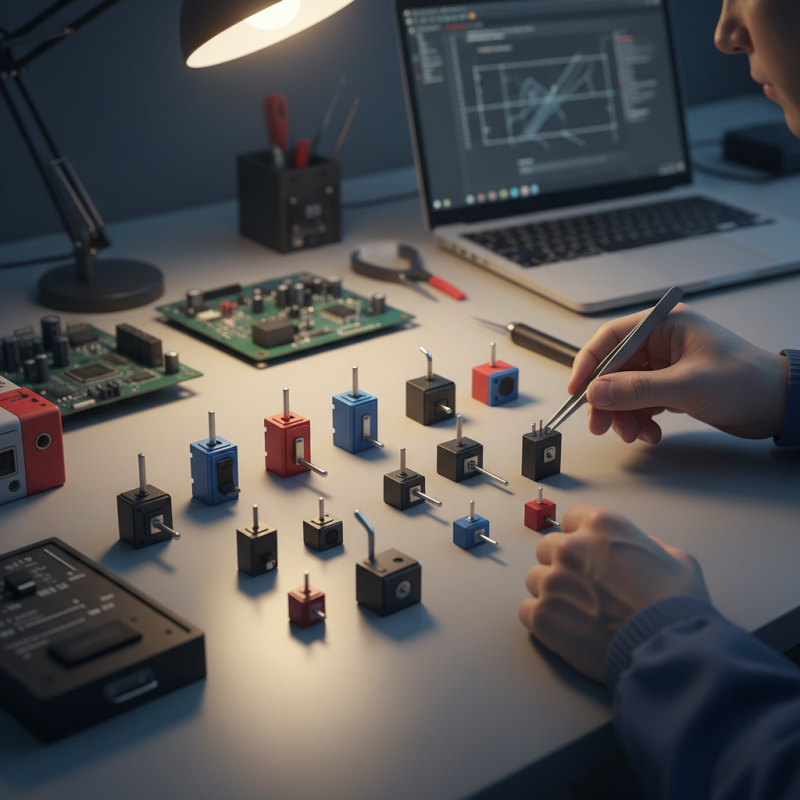
Micro switches are vital components in various applications. Their reliability and precision make them essential in automation and control systems. They are classified into different types based on their design and functionality. Understanding these types helps in selecting the right micro switch for your project.
There are different micro switch types, including snap-action, momentary, and latching. Snap-action switches are often preferred due to their quick response time and durability. According to a recent industry report, about 70% of automation systems use snap-action micro switches. They can handle varying loads, which is crucial for efficient operation.
Tips: Always check the specifications. Consider factors like voltage rating, current capacity, and operating force. These play a crucial role in performance.
Choosing the right micro switch involves considering the application environment. Factors like humidity and temperature can affect their operation. For instance, harsh environments may require sealed micro switches to prevent damage. Ignoring these conditions could lead to failures, which is something professionals must avoid. Always review and test options before finalizing your choice.
Micro Switch Types and Their Applications
Key Specifications to Consider When Choosing Micro Switches
When selecting a micro switch for your project, focus on a few key specifications. The operating voltage and current ratings are crucial. These ratings tell you what the switch can handle. Too much power can lead to failure. Ensure the switch meets the demands of your application.
Another important aspect is the actuator type. Different projects might require different actuators. For example, a lever actuator is great for manual applications. A roller actuator, however, is better for automated systems. Choose based on how you intend to use the switch.
Tips: Always check the switch's lifespan indication. Some switches wear out faster than others. Additionally, consider environmental factors like humidity and temperature. These can affect performance over time. Not all micro switches are created equal. Inspect the specifications to avoid disappointments.
Evaluating Environmental Factors for Micro Switch Selection
When selecting a micro switch, environmental factors play a crucial role. Humidity, temperature, and dust levels directly impact performance. For instance, a study indicates that over 45% of micro switch failures are linked to environmental stressors. Using the right materials can mitigate these risks. Stainless steel or plastic housings often resist harmful agents better than others.
Think about the potential exposure. High humidity can corrode metal parts. Dust accumulation can hinder functionality. A micro switch designed for industrial use might need to withstand more abuse than one for a home appliance. Data suggests that devices in dusty environments have about a 30% shorter lifespan.
Consider temperature extremes as well. Many micro switches operate optimally between 0°C and 85°C. Exceeding these limits can lead to erratic behavior. Some switches may not function at all. Always assess your application. In certain projects, it might be necessary to invest in more robust switches. Not every option will suit every project needs. Reflecting on these factors helps in making informed choices.
Comparing Actuation Mechanisms for Optimal Performance
Choosing the right micro switch for your project involves understanding various actuation mechanisms. These mechanisms define how the switch responds and interacts with external forces. Two prevalent types are lever and push-button actuation. Lever switches provide a broader range of motion, making them ideal for applications requiring less actuation force. Push-button switches, on the other hand, often occupy less space and can be activated quickly.
A report from the Switch Manufacturers Alliance states that over 40% of users prefer lever mechanisms for their tactile feedback. This preference indicates the importance of user experience. However, one must consider the specific requirements of their project. Sometimes, a seemingly optimal choice may not fit all scenarios. The wrong actuation type can lead to operational delays or malfunctions.
Tip: Assess the space available for installation. A compact design may favor push-button switches.
Another factor to consider is the switch's environmental tolerance. Some switches operate effectively under high humidity or dust conditions, while others may fail. However, many users overlook this aspect, leading to project inefficiencies. Matching the switch to the environment is crucial for long-term success.
Tip: Always review the switch specifications. A mismatch can result in costly repairs.
How to Choose the Right Micro Switch for Your Project? - Comparing Actuation Mechanisms for Optimal Performance
| Actuation Mechanism | Force Required (grams) | Operating Life (Cycles) | Contact Ratings (VDC) | Applications |
| Tactile | 50 - 100 | 500,000 | 12 - 24 VDC | Keyboards, Remote Controls |
| Plunger | 30 - 60 | 1,000,000 | 5 - 24 VDC | Home Appliances, Automotive |
| Roller | 10 - 20 | 200,000 | 12 - 48 VDC | Industrial Equipment, Robotics |
| Leaf | 50 - 150 | 300,000 | 12 - 30 VDC | Office Equipment, Consumer Goods |
Tips for Sourcing and Testing Micro Switches for Your Project
When sourcing micro switches for your project, clarity is key. Understand your requirements. Consider factors like size, type, and electrical ratings. Look for switches that fit your physical space and electrical needs. It might seem straightforward, but often, what looks good on paper does not translate to real-world performance.
Testing micro switches before finalizing is crucial. Make sure they meet your expectations. Perform tests under different conditions. This could include varying temperature and humidity levels. Sometimes, what seems ideal in initial evaluations may fail under real usage.
Tips for sourcing: Always check multiple suppliers. Prices can vary widely. Don’t settle for the first option you find. Ask for samples to test. Pay attention to the switch's feel and responsiveness. You want reliability, so evaluate long-term performance as well. Be prepared to reassess your choices based on testing outcomes. It’s an iterative process. Reflect on what works and what doesn’t, and stay open to adjustments.