How to Choose Flat Wiper Blades in 2026?

Choosing the right Flat Wiper blades in 2026 is no longer about picking the cheapest pair on a store shelf. Modern vehicles use different arm connectors, windshield shapes, pressure systems, and sensor layouts. A blade that looks suitable may leave a dry crescent near the driver’s eye line.

Small details matter.

This guide explains how to compare Flat Wiper construction, rubber quality, frame flexibility, connector compatibility, and weather performance. It also considers driving conditions, annual rainfall, winter temperatures, and replacement intervals. Based on practical fitting experience and manufacturer specifications, these factors offer a more reliable starting point than advertising claims alone. Always check your vehicle handbook before ordering.

Fit comes first.

A high-quality blade cannot perform correctly with the wrong adapter or length. Drivers should inspect streaks, chatter, split rubber, and missed areas before replacing their current blades. A clean windshield also matters, because road film can make a good wiper appear defective. In testing and daily use, quieter operation often indicates better contact, but silence alone does not prove durability. Some blades perform well in heavy rain but weaken quickly under strong sunlight. That limitation deserves attention.

There is no universal best Flat Wiper for every car or climate. Price, coating, warranty, and installation design must be judged together. Even this selection process is not perfect; laboratory tests may not reflect dusty roads, icy mornings, or irregular maintenance. Use the recommendations as a practical framework, then confirm the exact fit for your vehicle. Good visibility is the real measure.
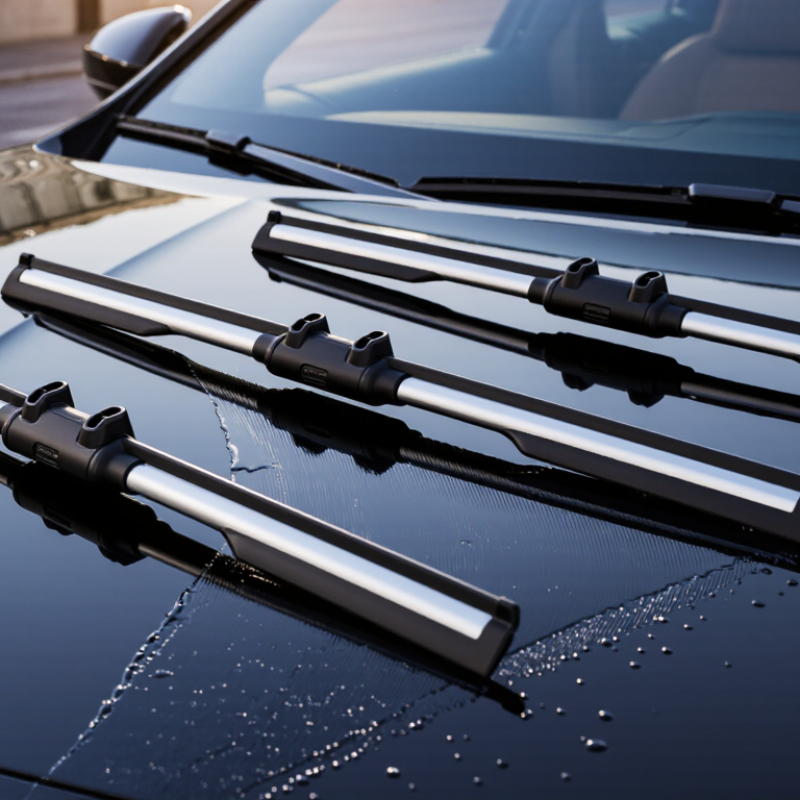
How to Choose Flat Wiper Blades in 2026?

Understanding Flat Wiper Blade Design and Function

How to Choose Flat Wiper Blades in 2026?

Flat wiper blades use a continuous spring rail beneath a flexible rubber wiping edge. This design spreads pressure more evenly across the windshield. Without exposed metal frames, they resist snow buildup and reduce wind lift at higher speeds. The curved profile also follows modern windshield shapes more closely. That matters during heavy rain, when small unwiped areas can distort road visibility.

In practical fitting work, I check the connector before judging the blade. A nearly correct adapter can still create looseness, noise, or uneven contact. Measure the required length from the vehicle manual, not only from the old blade. Rubber quality matters too. A clean edge should feel smooth, not brittle or sticky. Some blades include water-repellent coatings, but their performance can fade sooner than expected. I have seen drivers replace blades unnecessarily because dirt was trapped under the edge.

Look closely.

For 2026, consider blades with durable synthetic rubber, corrosion-resistant rails, and clear installation instructions. These features support reliable function, but they cannot correct a damaged wiper arm or scratched glass. Test the blade with washer fluid, never on dry dust. If it leaves narrow lines, skips across the glass, or chatters in light rain, inspect the contact angle. My own mistake was blaming the blade too quickly; the arm pressure was uneven. A careful inspection often reveals the real problem.


Identifying the Correct Blade Size and Vehicle Fit

How to Choose Flat Wiper Blades in 2026?

Choosing the correct flat wiper blade starts with accurate vehicle identification. Check the owner’s manual, registration details, or a reliable vehicle-fit database. Model year alone may not be enough. Mid-year design changes can affect arm connections and blade lengths.

Measure the existing blade from end to end, but treat that number as guidance. A small error can leave unwiped glass near the driver’s eye line. Measure twice. Check both front blades, because they may use different sizes. Do not assume the rear blade matches either front blade. Fit matters more.

Inspect the connector before buying. Flat blades may use push-button, side-pin, or hook-style fittings. The adapter should lock firmly without excessive force or movement. I once trusted a length chart and overlooked the connector, causing a poor installation. That mistake was avoidable. After fitting, lower the arm gently and test the blade with washer fluid. Watch for chatter, lifted edges, or a narrow wet strip. These signs can indicate incorrect pressure, a damaged windscreen, or an unsuitable adapter. Vehicles with rain sensors or advanced driver-assistance cameras may also require an unobstructed wiping area. Check the vehicle instructions when these systems are present. A quiet sweep is useful evidence, but it does not prove perfect fit. Recheck the blade after a few days of rain.

How to Choose Flat Wiper Blades in 2026?

Identifying the correct blade size and vehicle fit starts with measuring the driver-side and passenger-side blades separately. The chart shows representative front wiper length pairs commonly found across vehicle categories; actual fitment can vary by model year, trim, and windshield design.

Measurements are shown in millimetres. Before purchasing, confirm the vehicle-specific size, connector type, and whether the vehicle uses different driver-side and passenger-side lengths. Never install a longer blade than the windshield and arm clearance allow.

Comparing Materials, Structures, and Performance Features

How to Choose Flat Wiper Blades in 2026?

Choosing flat wiper blades starts with materials, not appearance. High-grade natural rubber offers flexible wiping in mild weather. Synthetic rubber usually resists ozone, sunlight, and temperature changes better. Silicone can last longer and leave a water-repelling film. However, it may cost more and perform differently on dusty glass. Check the rubber edge carefully. It should feel smooth, even, and firmly attached.

Structure also affects daily performance. A single-piece frame creates fewer exposed joints, where ice and dirt can collect. Flexible steel rails help distribute pressure across curved windshields. Some designs use reinforced polymer rails, which resist corrosion but may feel less rigid. An aerodynamic spoiler can reduce lifting at highway speeds. Still, shape alone proves little. Fit matters more. The adapter should lock tightly without forcing the wiper arm.

Performance depends on local conditions. In frequent rain, prioritize clean contact and quiet movement. In snowy areas, choose materials that remain flexible below freezing. Strong ultraviolet exposure calls for better rubber resistance. I once selected a blade with excellent winter claims, yet its edge chattered after several hot months. That mistake taught me to check independent test data and warranty terms, not only specifications. Measure the existing blade and confirm the vehicle manual before buying. A perfect material cannot correct the wrong length or connector. Clean the windshield regularly, too. Dirt quickly hides design differences.

How to Choose Flat Wiper Blades in 2026? — Comparing Materials, Structures, and Performance Features
Wiper Blade Type Primary Material Structural Design Weather Resistance Wiping Performance Noise and Smoothness Typical Service Life Best Use Case Main Limitations
Standard Flat Blade Natural rubber or synthetic rubber wiping element with a polymer frame Single-piece aerodynamic cover with an integrated flexible spine Good resistance to rain, moderate temperatures, and normal UV exposure Good Generally quiet when correctly fitted About 6–12 months, depending on climate and use Everyday driving in mild or temperate climates May harden faster in intense sunlight, frost, or high heat
Synthetic Rubber Flat Blade EPDM or another weather-resistant synthetic rubber compound Flexible beam body with pressure-distribution rails Very good resistance to ozone, UV radiation, heat, and cold Very Good Quiet operation with consistent edge contact About 9–18 months in typical conditions Regions with strong sunlight, temperature changes, or frequent rain Usually costs more than basic natural-rubber designs
Silicone-Coated Blade Silicone wiping edge or silicone-coated rubber compound Beam-style frame with a low-friction wiping surface Excellent resistance to UV exposure, ozone, and temperature extremes Very Good Low friction and smooth movement when the windshield is clean About 12–24 months, subject to contamination and wear High-mileage vehicles and hot, sunny, or harsh climates Can leave a temporary film during initial use; higher purchase cost
Graphite-Coated Rubber Blade Rubber wiping element treated with a graphite surface coating Flat beam structure with a coated wiping edge Good resistance to friction and moderate weather exposure Good to Very Good Typically smooth and quiet, especially on wet glass About 9–15 months in normal use Drivers prioritizing quiet operation and reduced friction Coating can wear away faster when used on dry or dirty glass
Conventional Framed Blade Rubber wiping element with painted or coated steel components Several articulated metal yokes distribute pressure along the blade Moderate; exposed metal parts may corrode in salty or wet environments Good on curved windshields Can become noisier if joints loosen or the frame is contaminated About 6–12 months Vehicles designed for traditional hook-style replacement blades Less aerodynamic and more vulnerable to snow, ice, and corrosion
Hybrid Flat Blade Rubber or synthetic rubber element with a reinforced plastic and metal core Beam-style pressure system inside a protective outer shell Very good protection against weather, dirt, and light snow buildup Very Good Stable contact with controlled wind noise at higher speeds About 9–18 months Mixed climates and vehicles frequently driven at highway speeds Heavier and often more expensive than a basic flat blade
Winter-Specification Flat Blade Cold-resistant rubber or synthetic rubber with a sealed outer cover Enclosed beam structure designed to reduce ice and snow intrusion Excellent in freezing temperatures and snowy conditions Very Good in winter Usually quiet after the blade warms and the windshield is cleared About 6–12 months in severe winter use Snowy regions, freezing rain, and frequent sub-zero temperatures May be unnecessary in warm climates; the cover can add bulk
High-Speed Aerodynamic Blade Weather-resistant synthetic rubber with a rigid polymer spoiler Low-profile beam with an integrated air-pressure spoiler Very good under rain, wind, and highway exposure Very Good at highway speed Reduced lifting and vibration when correctly matched to the vehicle About 9–18 months Frequent motorway or high-speed driving Performance depends heavily on correct length, curvature, and adapter fit
Refill-Only Flat Blade Replacement rubber, EPDM, or silicone wiping strip Uses the original blade frame or retaining rails Depends on the refill material and condition of the original frame Variable Can be quiet if the original frame remains straight and secure About 6–12 months for the refill Reducing waste when the existing blade structure is undamaged Installation is more demanding; worn rails can cause uneven pressure
Premium Beam Blade High-grade EPDM, silicone, or multi-compound rubber Precision-molded beam with optimized pressure points and connector fit Excellent resistance to UV, ozone, heat, and cold Excellent Very smooth and quiet when the windshield is clean About 12–24 months under favorable conditions Drivers seeking consistent visibility and longer replacement intervals Higher price does not compensate for incorrect fit or poor windshield condition

Checking Weather Conditions and Driving Requirements

How to Choose Flat Wiper Blades in 2026?

Checking weather conditions and driving requirements should guide your choice of flat wiper blades. The U.S. Federal Highway Administration reports that 46% of weather-related crashes occur during rainfall. It also finds that 73% happen on wet pavement. These figures make clear visibility a safety requirement, not a minor comfort.

For frequent rain, choose a blade with a flexible spoiler and a pressure-balanced frame. This helps maintain contact across curved glass at higher speeds. In snowy areas, a sealed flat design can reduce ice buildup around the moving parts. Drivers in hot climates should check rubber condition often, because ultraviolet exposure and heat can cause cracking. My practical experience suggests replacing blades when they leave thin water lines or chatter across the windshield. Still, that rule is imperfect. Dust, washer-fluid quality, and glass damage can create similar symptoms.

Tips: Match the exact vehicle size and connector. Check both blades, even if only one looks worn. In heavy rain, test visibility before driving. The European Tyre and Rim Technical Organisation also emphasizes maintaining clear driver vision in adverse conditions. A quick inspection every month takes less than five minutes. Small details matter.

Installing, Testing, and Replacing Flat Wiper Blades

How to Choose Flat Wiper Blades in 2026?

Installing flat wiper blades starts with checking your vehicle’s exact arm connector and recommended blade length. A correct fit prevents loose movement, uneven pressure, and unexpected lifting at higher speeds. Lift the arm carefully and place a cloth beneath it. This protects the glass if the arm snaps down. Release the old blade, then slide the new adapter into position until it clicks. Pull it gently to confirm the lock. It should not wobble.

Testing should happen on clean, wet glass. Use washer fluid, not dry wiping, because dry debris can scratch the windshield. Watch the blade from inside the vehicle. It should move smoothly, leave no broad water film, and remain quiet across the full sweep. Small missed areas matter. They may indicate a bent arm, worn rubber, or an incorrect adapter. I once blamed the blade for streaking, but the real problem was hardened dirt near the lower windshield.

Tips: Clean the glass first. Inspect the rubber edge with a fingertip, but avoid pulling it. Replace the blade when streaks, skipping, cracking, or squeaking continue after cleaning. Many drivers wait too long. In harsh heat, freezing weather, or dusty conditions, replacement may be needed sooner than the usual service interval. Test both blades together, especially after replacing only one. If the arm feels weak or the blade will not lock securely, stop and check the vehicle manual or consult a qualified technician.

Wordpress Social Share Plugin powered by Ultimatelysocial
Facebook
X (Twitter)
YouTube
LinkedIn
Share

Purchase Product Request

Request Pricing